
In 1988, Oklahoma lawmakers adopted an official state meal, and it puts twelve separate foods on one table. The lineup includes okra, squash, black-eyed peas, cornbread, biscuits, and fresh strawberries.
I had no idea a legislature could order a whole dinner.
Texas took a different route. In 1977, its lawmakers gave official status to a spicy beef stew that trail cooks had served for generations.
Other states have voted on pies, cakes, and even a snack of skewered meat cubes.
Below you will find one dish for each of the 50 states, in alphabetical order. Every pick has a documented tie, such as an official designation, a recorded origin story, or long regional history.
Some origins are still argued about, so you will see both sides when that happens.
So, did your state land the dish you expected? Go ahead and scroll to your home state first.
Nobody will judge.
Alabama: White Sauce Barbecue Chicken Dunked in Tangy Mayonnaise Sauce
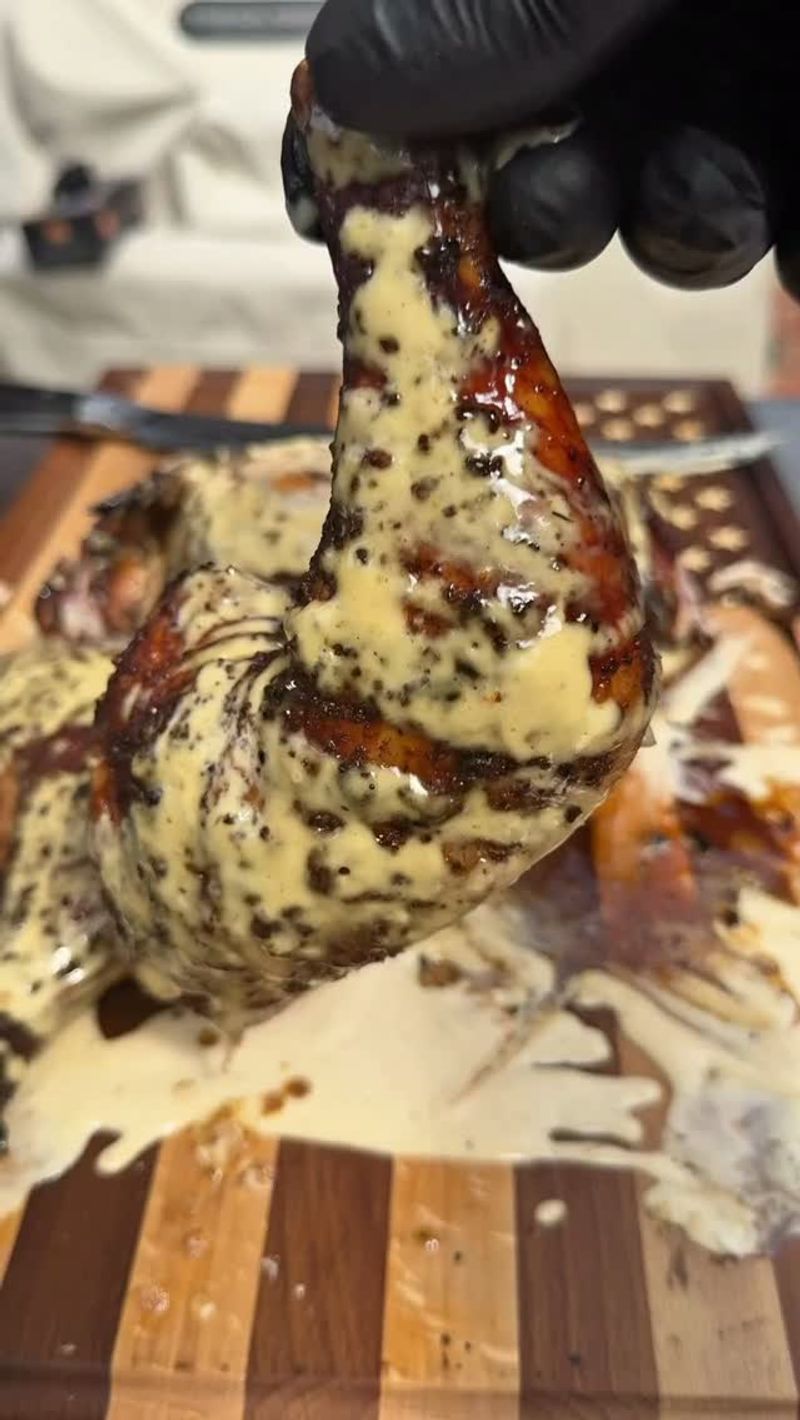
Mayonnaise on barbecue sounds like a dare, yet north Alabama has made it work for about a century. Robert "Big Bob" Gibson started cooking in Decatur in 1925 and is credited with creating the white sauce.
The sauce blends mayonnaise, vinegar, and black pepper into a tangy, peppery dip. Cooks traditionally smoke chicken halves, then dunk them in the pale sauce while still hot.
You get smoky skin with a creamy, sharp coating that soaks into every bite. Plenty of folks now use the leftover sauce on salads, potatoes, and sandwiches too, which honestly makes a lot of sense.
Alaska: Sourdough Pancakes Stacked High With Tangy Gold Rush Flavor
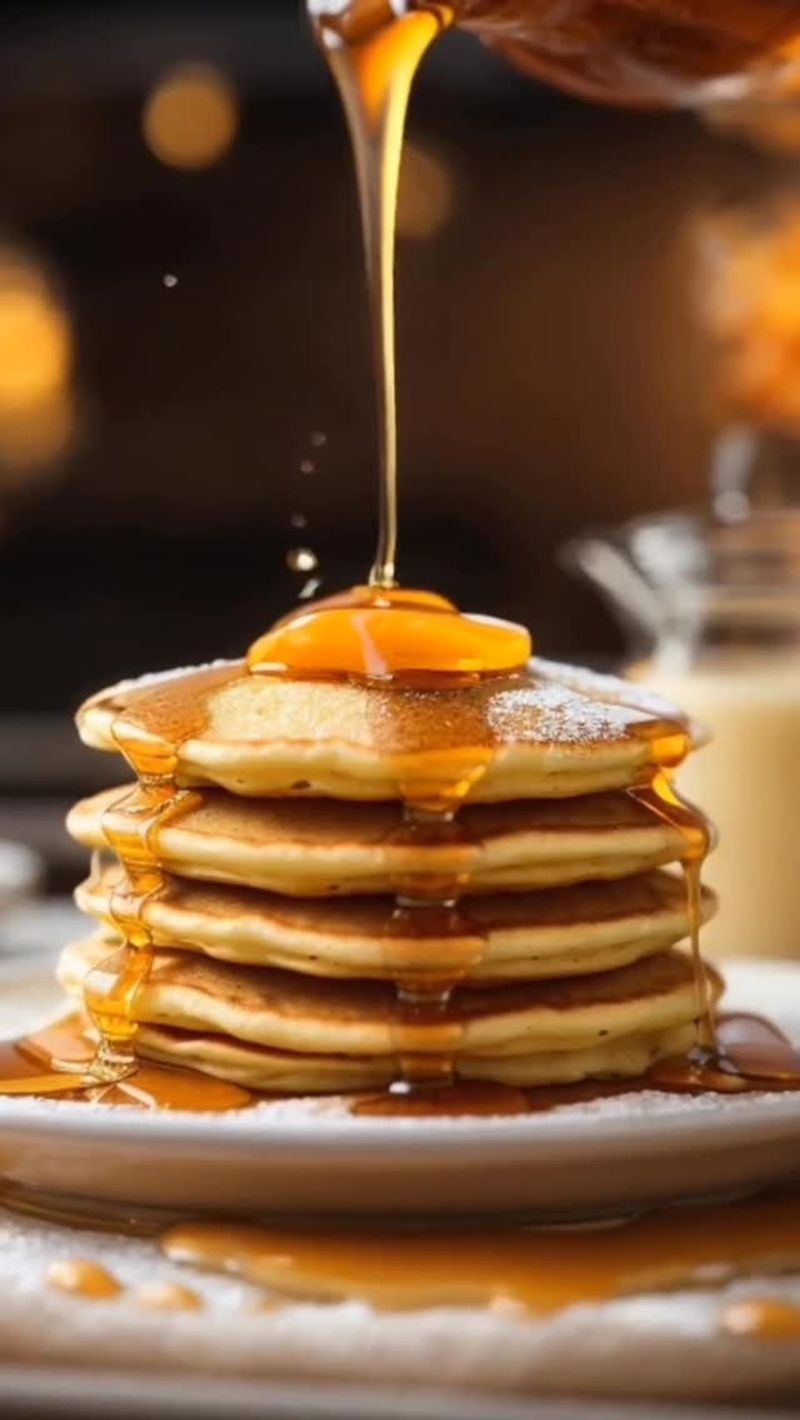
Gold Rush prospectors guarded their sourdough starter so closely that "sourdough" became a nickname for seasoned Alaskans. During the Klondike rush of the late 1890s, a living starter meant bread and pancakes without store yeast.
Stories describe miners keeping starter pouches near their bodies on freezing nights so the yeast stayed alive. Some Alaska families still pass down starters said to trace back generations.
The pancakes come out thin, tender, and pleasantly tangy from the wild yeast. You will often see them topped with berries or syrup, and a well-fed starter can last for decades in a kitchen.
Arizona: Chimichanga, the Golden Deep-Fried Burrito With Two Origin Claims
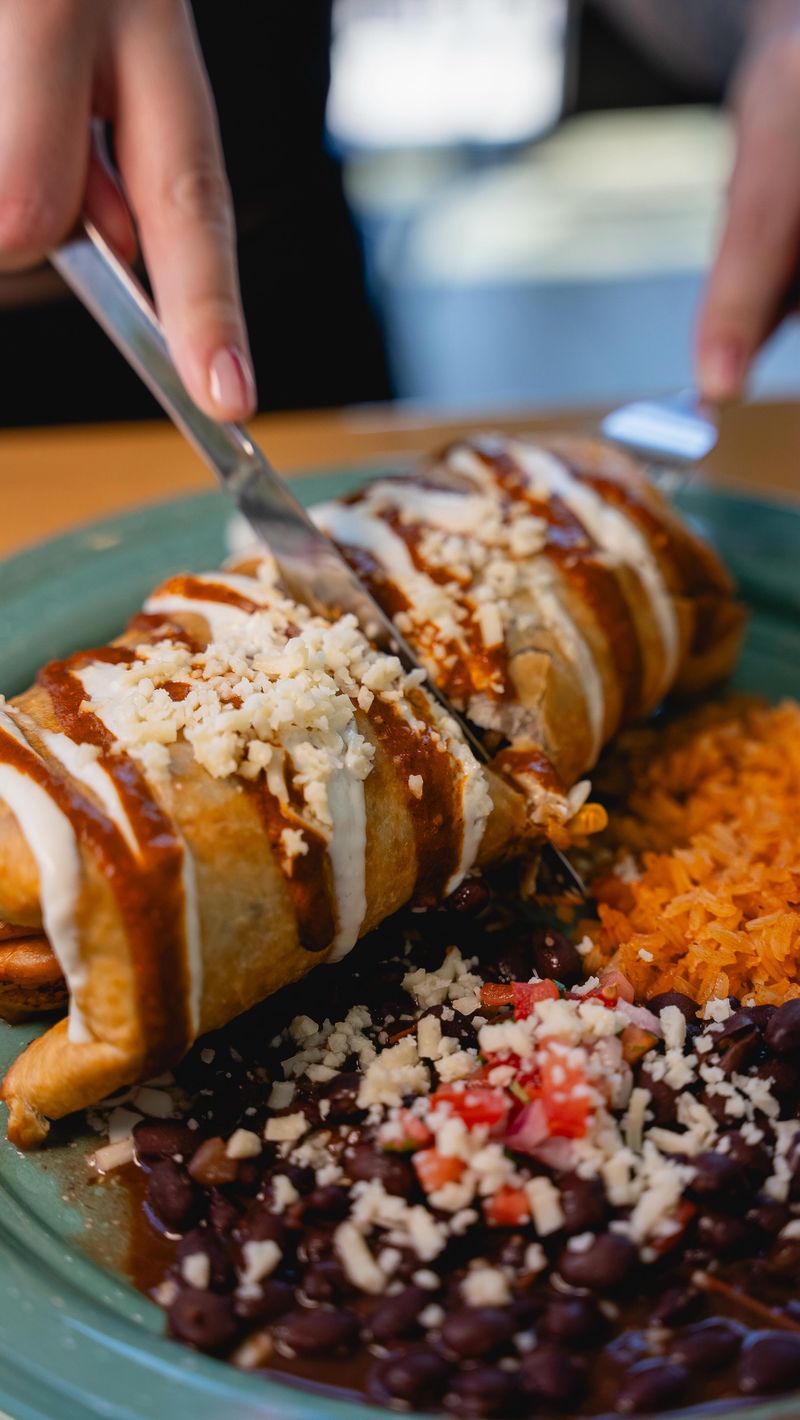
Few dishes have a more entertaining birth story than a burrito that took an accidental swim in hot oil. Tucson's El Charro Cafe credits founder Monica Flin, who reportedly dropped a burrito into a fryer and stopped herself from cursing mid-word.
Up in Phoenix, Woody Johnson of Macayo's said he created the fried burrito on purpose in 1946. Neither claim has been settled, so both cities keep their stories.
A flour tortilla gets stuffed with shredded beef, chicken, or beans, then fried until crackly. It usually arrives topped with sour cream, guacamole, and salsa.
Arkansas: Chocolate Gravy Poured Over Split Hot Biscuits
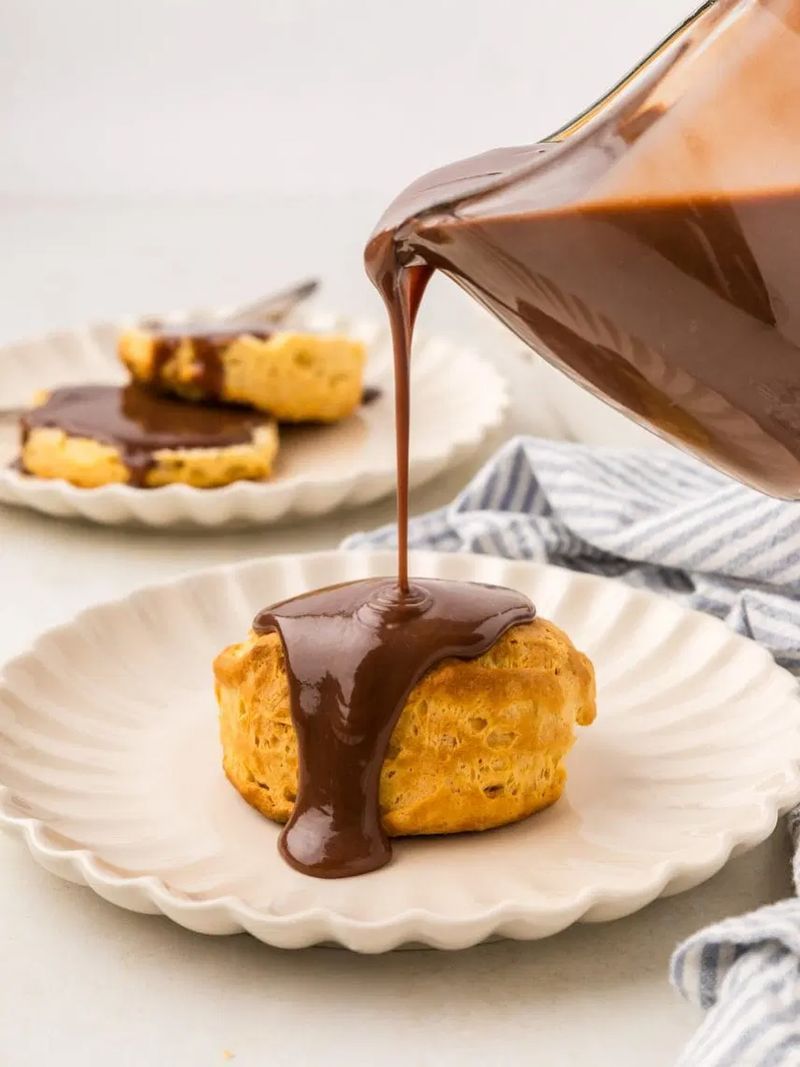
Chocolate for breakfast, with gravy as the excuse, is a real tradition in the Ozarks. Arkansas cooks have long made this sweet sauce on weekend mornings, and food writers often trace it through Ozark and Appalachian home kitchens.
The gravy is simple: cocoa, sugar, flour, milk, and a bit of butter, stirred in a skillet until thick. It pours like pudding that has not quite set.
You ladle it over hot, split biscuits, and some families add a pat of butter first. Its exact origin is fuzzy, so treat any single inventor story with caution.
California: Mission Burrito Wrapped Fat in Foil With Rice and Beans
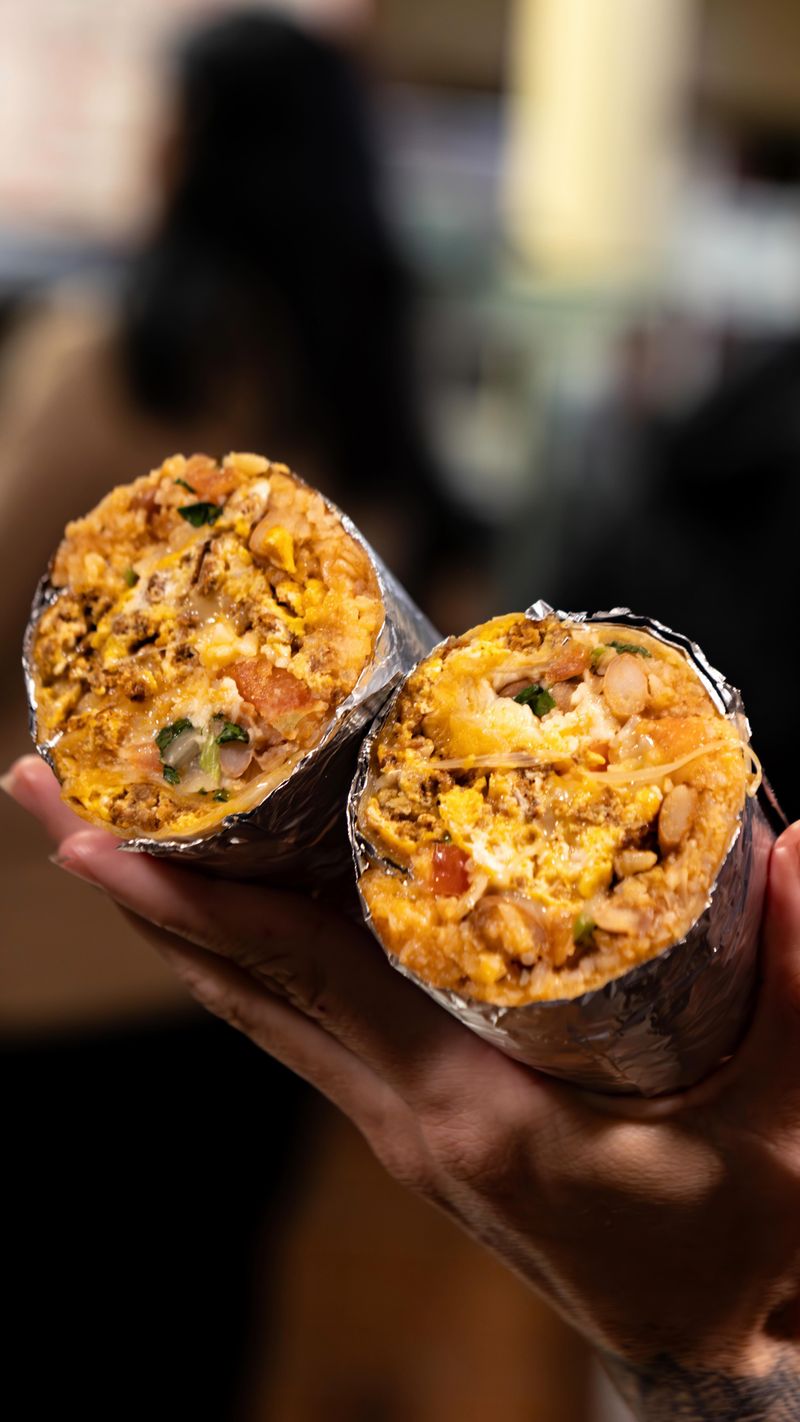
Size is the whole personality of San Francisco's Mission burrito, which can be roughly the heft of a small loaf of bread. It grew up in the city's Mission District, a neighborhood shaped by Mexican and Central American families.
Two taquerias often get credit for early versions in the 1960s, El Faro and La Cumbre. Food historians note both claims, and the style spread quickly across the neighborhood.
A giant steamed flour tortilla holds rice, beans, meat, salsa, and often cheese and guacamole. It is wrapped tightly in foil, so you can peel as you eat without a fork.
Colorado: Pork Green Chili Smothering Everything in a Steaming Bowl
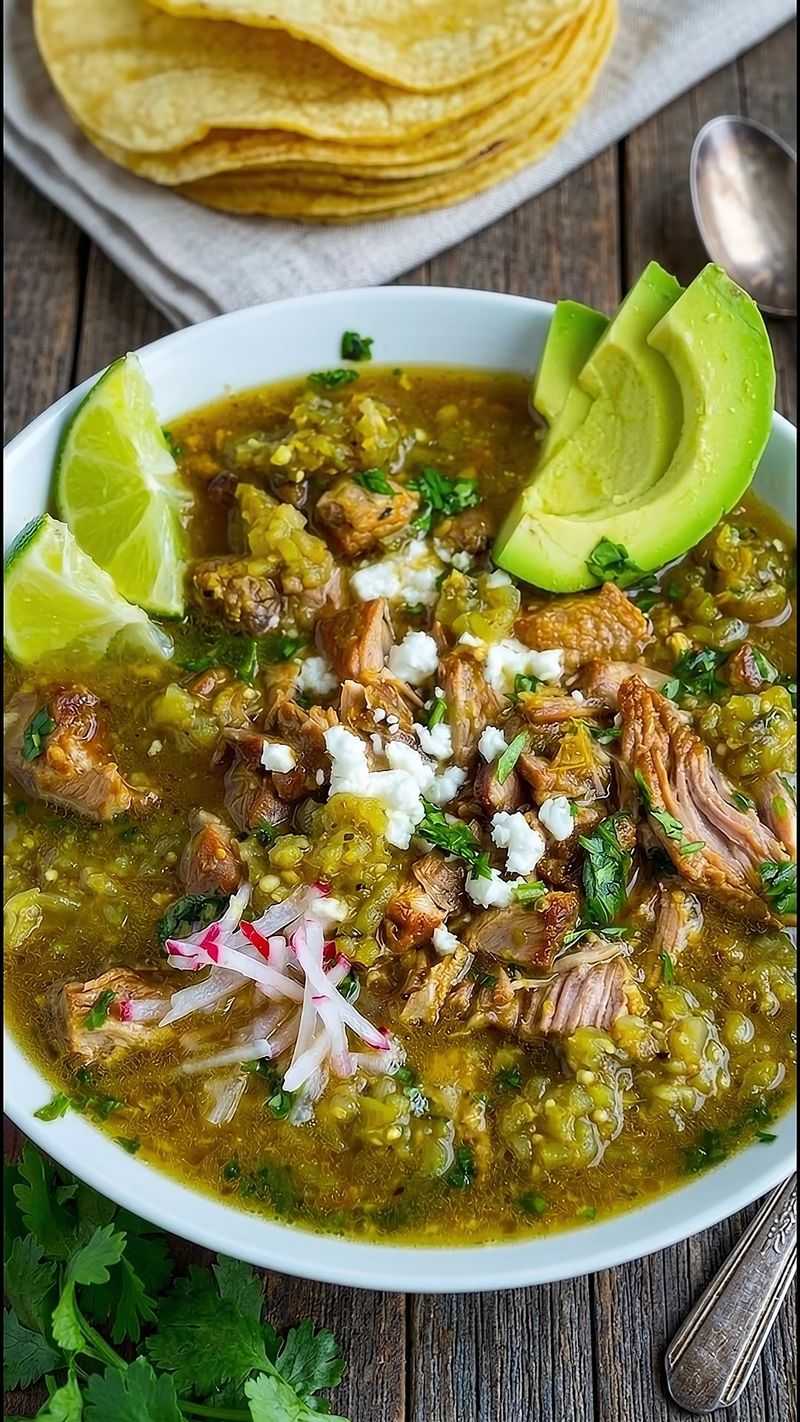
Ask for something "smothered" in Denver and you will likely get it drowned in green chili. Colorado's version is a stew-like sauce of pork, roasted green chiles, tomatoes, and onions.
Pueblo grows its own well-known chile pepper, and the Pueblo chile carries a protected regional identity that locals celebrate at a yearly festival. That homegrown pepper gives the state's green chili much of its flavor.
You can eat it from a bowl with a warm tortilla. You can also pour it over burritos, eggs, or fries, which is how many Colorado diners serve it.
Connecticut: New Haven Apizza With a Charred, Blistered Coal-Fired Crust
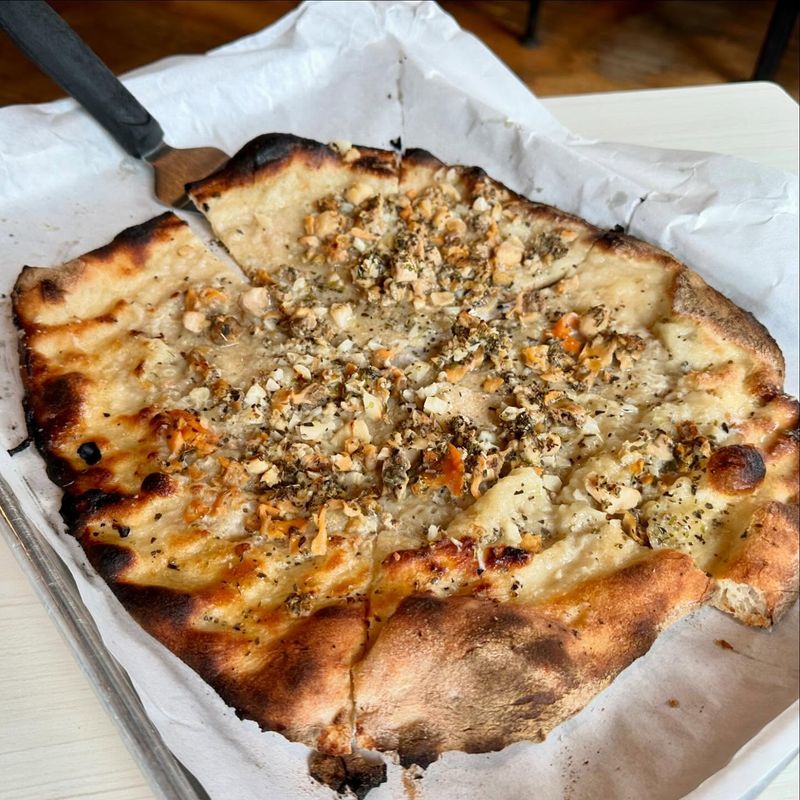
Locals say "ah-BEETZ," a pronunciation carried over from southern Italian immigrants who settled in New Haven. Frank Pepe opened his pizzeria on Wooster Street in 1925, and his shop helped define the style.
The crust is thin, chewy, and charred in spots from very hot ovens. Pieces are often irregular, served on sheet pans with paper underneath.
The most famous topping is the white clam pie, with clams, garlic, olive oil, oregano, and grated cheese, but no mozzarella. Plain tomato pies with just a dusting of cheese are a classic order too.
Delaware: Scrapple Fried in Crispy Slices Beside Eggs
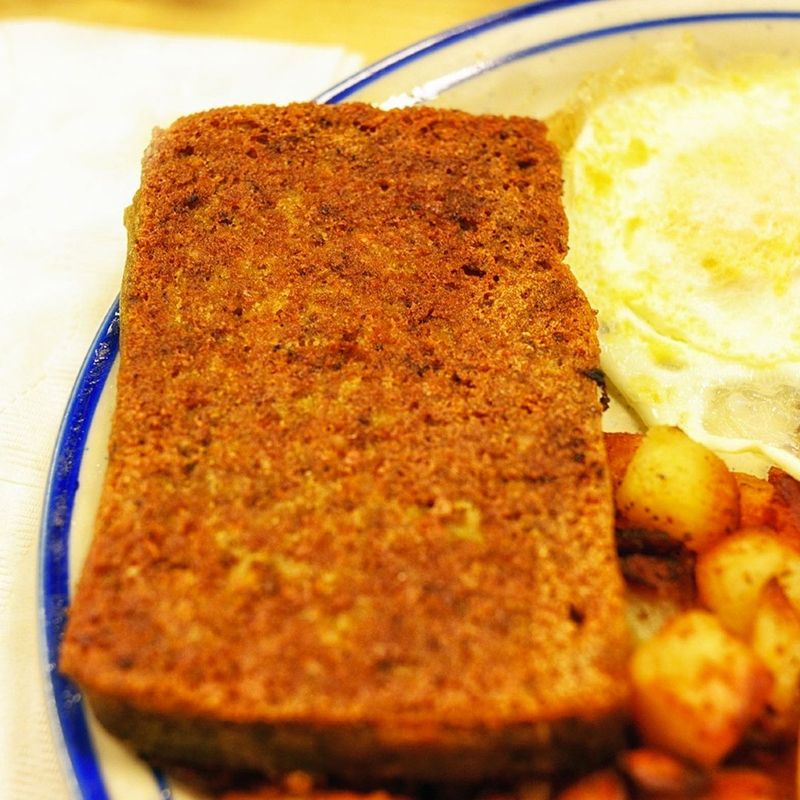
Bridgeville, Delaware, throws a whole festival for a breakfast loaf most people outside the region have never tried. The Apple Scrapple Festival has celebrated it for decades.
Scrapple traces back to Pennsylvania Dutch cooks who used pork trimmings so nothing went to waste. The meat is simmered with cornmeal, flour, and spices, then pressed into a loaf.
You slice it thin and fry it in a hot pan until the outside turns crunchy and the middle stays soft. Many Delmarva diners serve it with eggs, and toppings range from ketchup to maple syrup.
Florida: Key Lime Pie Topped With Whipped Cream in a Graham Crust
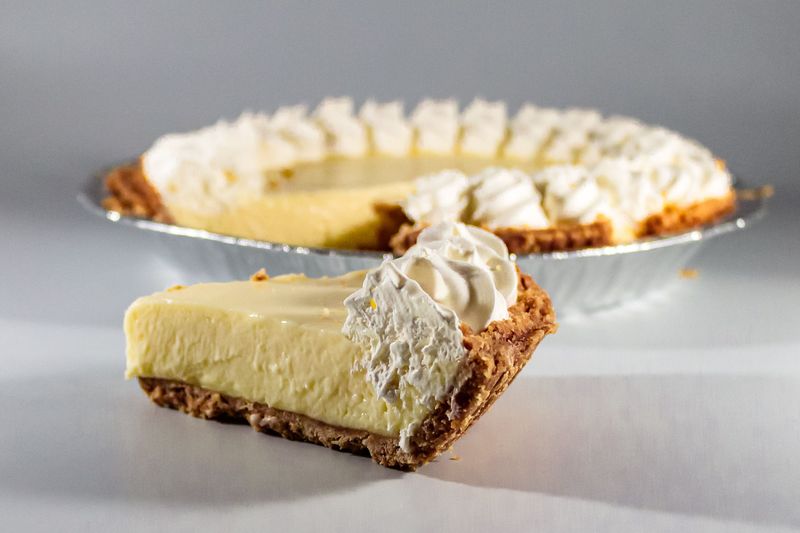
A real Key lime pie is pale yellow, not green, which surprises plenty of first-timers. Florida made it the official state pie in 2006.
The pie grew up in the Florida Keys, where small, tart Key limes once grew widely. Sweetened condensed milk, which keeps without refrigeration, became the creamy base.
Lime juice, condensed milk, and egg yolks make a smooth, tangy filling. Crusts can be pastry or graham cracker, and toppings swing between whipped cream and meringue, a debate Floridians take surprisingly seriously.
Georgia: Brunswick Stew Simmered Thick With Meat, Corn, and Lima Beans
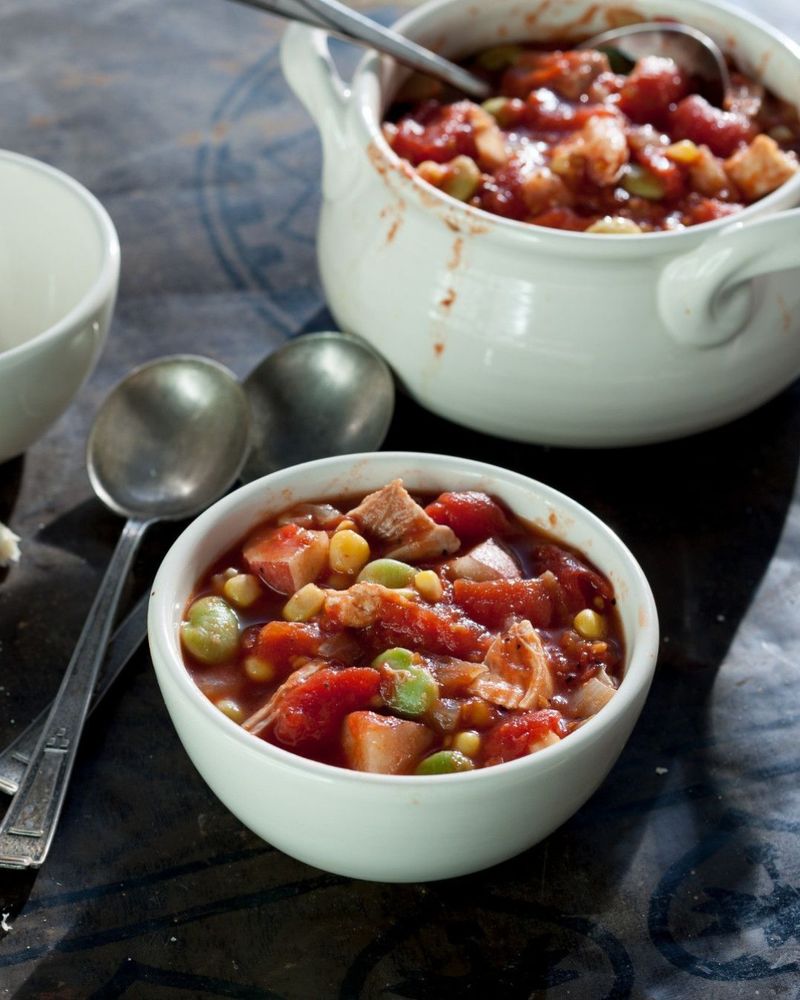
Two places named Brunswick still argue over who cooked this stew first. Brunswick, Georgia, displays an iron pot it says held the first batch in 1898.
Brunswick County, Virginia, points to a hunting camp cook in 1828, and neither side has backed down. You can enjoy the stew without picking a team.
Georgia versions are thick and tomato-based, packed with pulled pork or chicken, corn, and lima beans. It often shows up beside barbecue plates, and cooks traditionally simmer it slowly until a spoon can almost stand up in it.
Hawaii: Loco Moco Stacks Rice, a Burger Patty, a Fried Egg, and Gravy
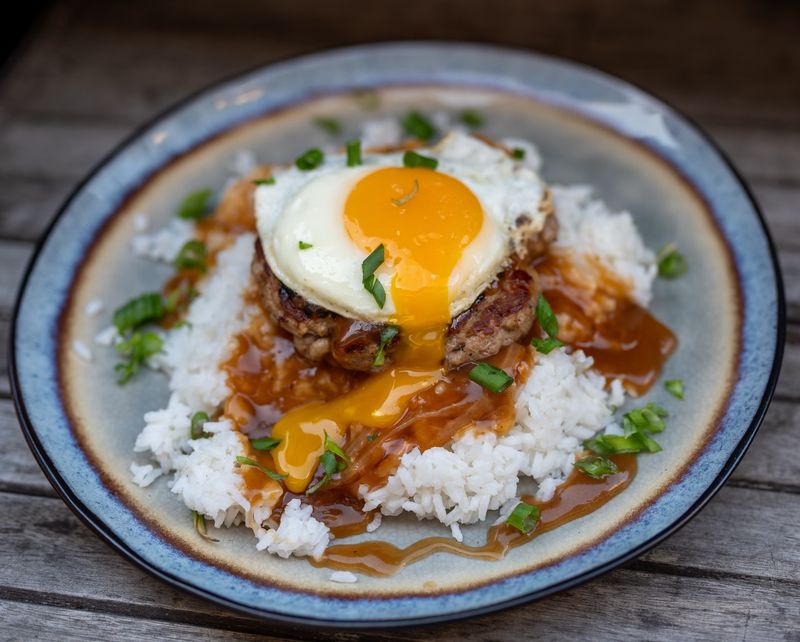
Hungry teenagers on a tight budget helped invent one of Hawaii's best-known plates. The Lincoln Grill in Hilo is credited with serving the first loco moco in 1949.
The story says local teens wanted something cheap and filling that was not a sandwich. The owners stacked rice, a hamburger patty, and brown gravy, and a fried egg became standard later.
Today it is a plate-lunch staple, often served with macaroni salad. Break the yolk and let it run into the gravy, because that is half the fun.
Idaho: Finger Steaks Battered and Deep-Fried With Cocktail Sauce
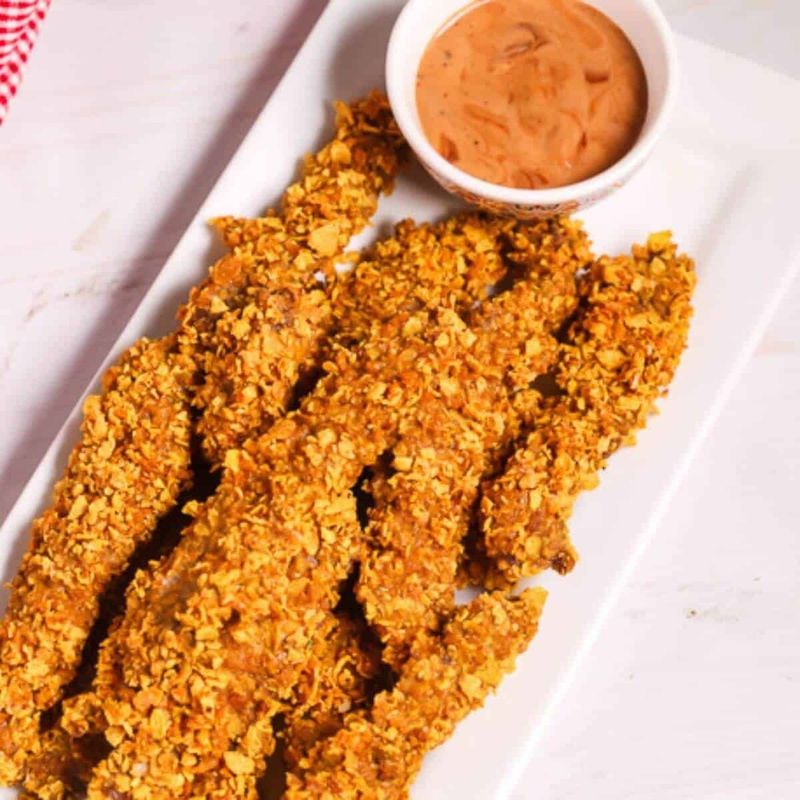
Steak, but shaped like chicken strips, is exactly what Boise diners order when they want finger steaks. Credit usually goes to Milo Bybee, a Boise butcher who served them in the 1950s.
Strips of sirloin or tenderloin get dipped in a light batter, then deep-fried until golden. The result is crunchy outside and tender inside.
They come in baskets with fries and a side of cocktail sauce or fry sauce for dipping. Outside of Idaho, they remain fairly rare, so the state holds a strong claim on this crispy oddity.
Illinois: Chicago Deep-Dish Pizza Layered Cheese First, Sauce on Top
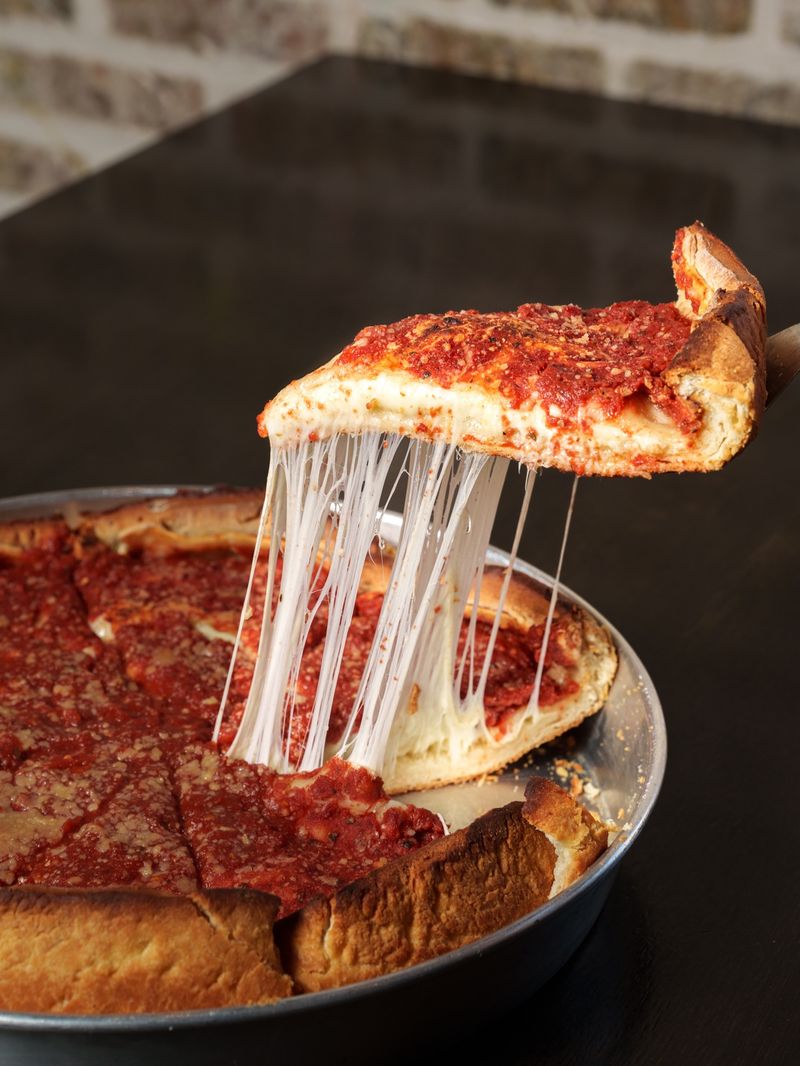
Flip a normal pizza upside down and you get close to Chicago's deep-dish order of layers. Cheese goes down first, then fillings, then chunky tomato sauce on top.
Pizzeria Uno opened in 1943, founded by Ike Sewell and Ric Riccardo. Some accounts credit their cook, Rudy Malnati, with the recipe, so the origin has more than one name attached.
The buttery crust rises high in a round pan, almost like a pie. You will want a knife and fork, plus some patience, because baking takes a while.
Indiana: Breaded Pork Tenderloin Sandwich Hanging Far Past Its Bun
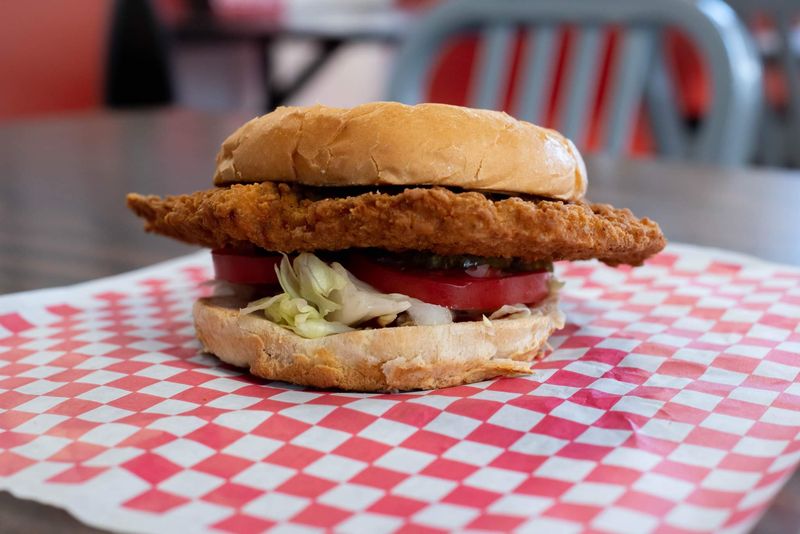
The bun on this sandwich looks almost like a decoration because the meat hangs way past its edges. Nick's Kitchen in Huntington, Indiana, says founder Nick Freienstein started serving it in 1908.
Cooks pound pork tenderloin thin, bread it, and fry it until crisp. The idea echoes German schnitzel, fitting in a state with deep German roots.
Classic toppings include pickles, onion, mustard, and lettuce. Many people tear off the overhanging edges to eat first, then tackle the middle once it fits the bun.
Iowa: Loose Meat Maid-Rite Sandwich Piled With Crumbled Beef
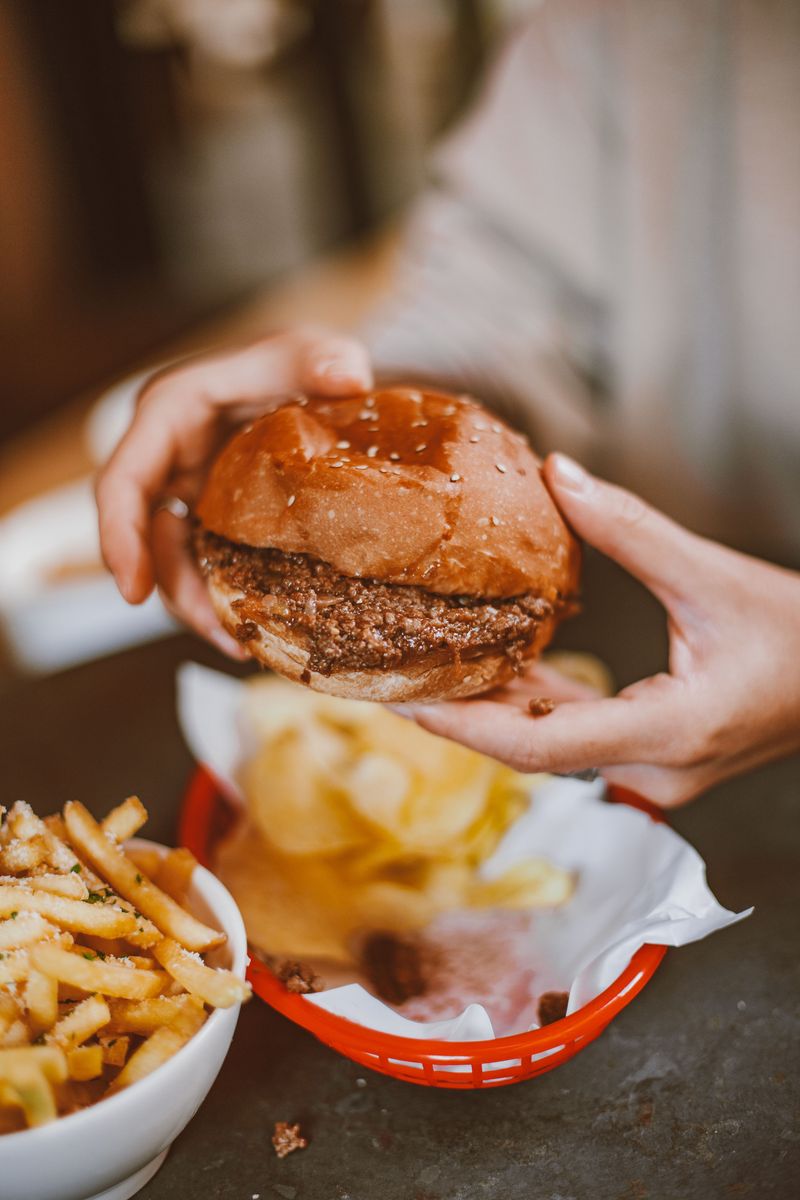
Grab a spoon, because half the beef in this sandwich tends to tumble out. Fred Angell opened the first Maid-Rite in Muscatine, Iowa, in 1926.
Instead of a patty, the sandwich uses steamed, crumbled ground beef seasoned lightly. It gets scooped onto a soft bun with mustard, pickles, and onions.
The chain spread across the Midwest, and many Iowa diners make their own loose meat versions. The fallen crumbles are part of the experience, so do not feel bad about the mess.
Kansas: Bierocks, Golden Baked Buns Stuffed With Beef and Cabbage
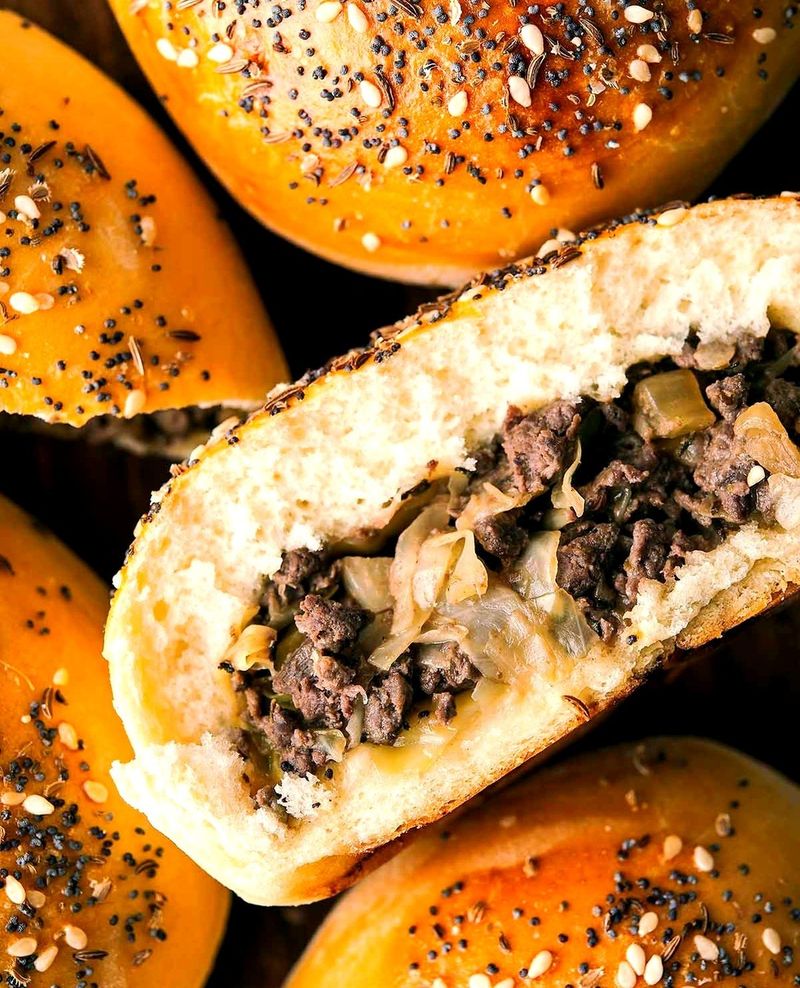
Hand pies with a cabbage surprise inside came to Kansas with Volga German families in the 1870s. These settlers were ethnic Germans who had lived in Russia before moving to the Great Plains.
A bierock is a soft yeast bun filled with ground beef, cabbage, onion, and pepper. The dough is sealed around the filling and baked until golden.
They travel well, which made them handy for packed lunches. Church sales and community suppers across central Kansas still feature trays of them.
Kentucky: The Hot Brown Bakes Turkey and Bacon Under a Cheesy Sauce
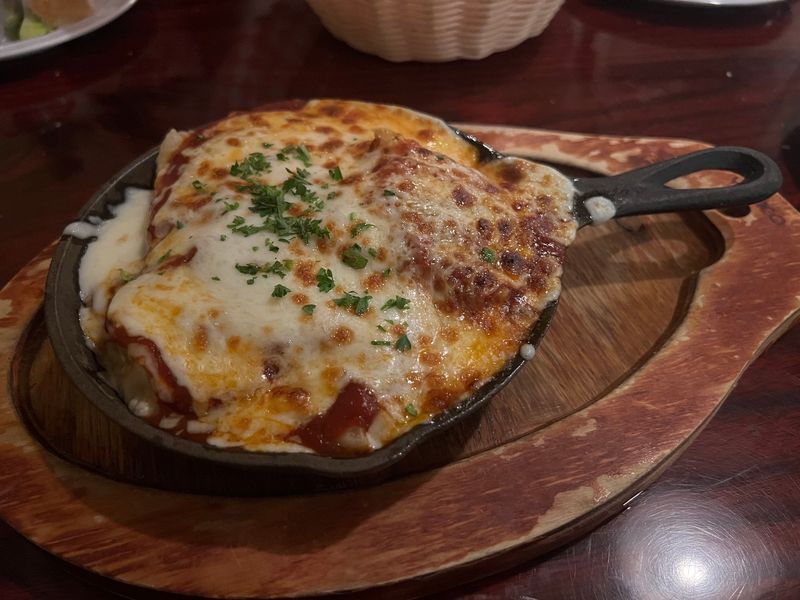
Late-night dancers at a Louisville hotel inspired this open-faced sandwich in 1926. Chef Fred Schmidt of the Brown Hotel created it as a late snack for those crowds.
Toast gets covered with sliced roast turkey and a creamy Mornay sauce made with cheese. Then it goes under the broiler until bubbly and browned.
Strips of bacon and tomato finish the top. You eat it with a knife and fork, usually from a small skillet, and it is very much a meal rather than a snack today.
Louisiana: Gumbo Ladled Dark and Rich Over a Scoop of White Rice
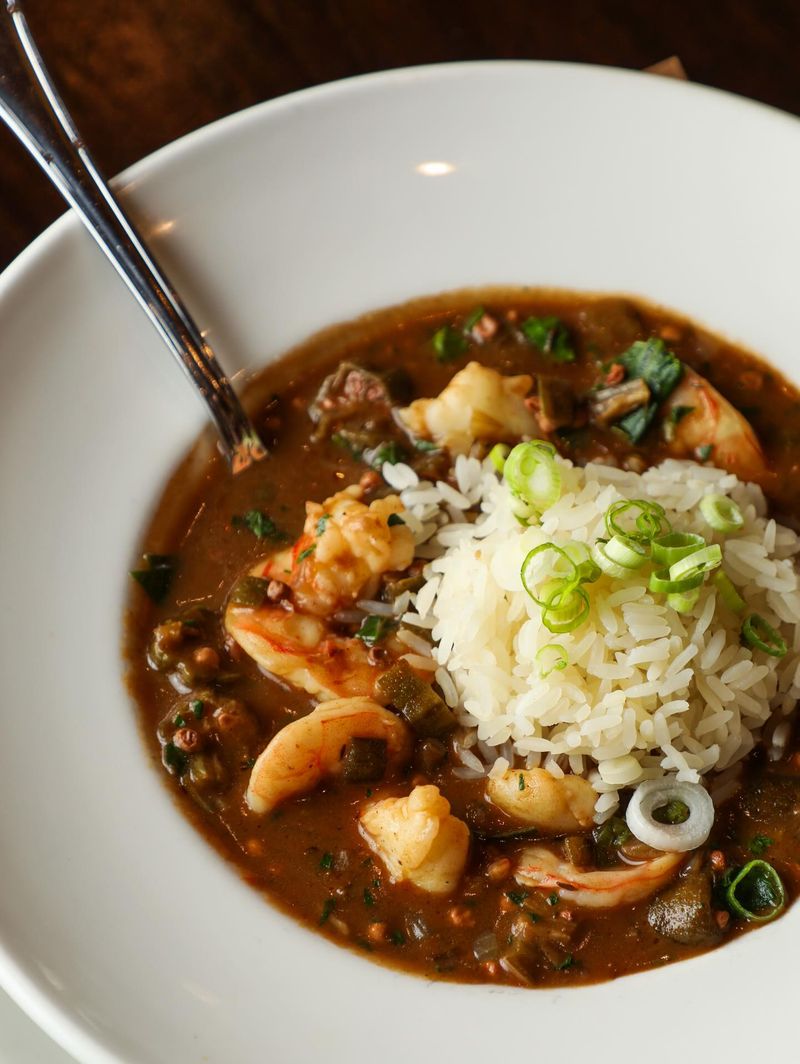
Louisiana lawmakers named gumbo the official state cuisine in 2004. Few dishes carry so many cultural fingerprints in one bowl.
Historians link it to West African, French, Spanish, and Choctaw foodways, and the word gumbo likely comes from a West African word for okra. Filé, ground sassafras leaves, is credited to Choctaw cooks.
Most versions start with a roux, flour cooked in fat until brown. You might find chicken and sausage or seafood, served over rice, and every family seems to defend its own method.
Maine: Whoopie Pie, Two Chocolate Cakes Sandwiching Fluffy White Filling
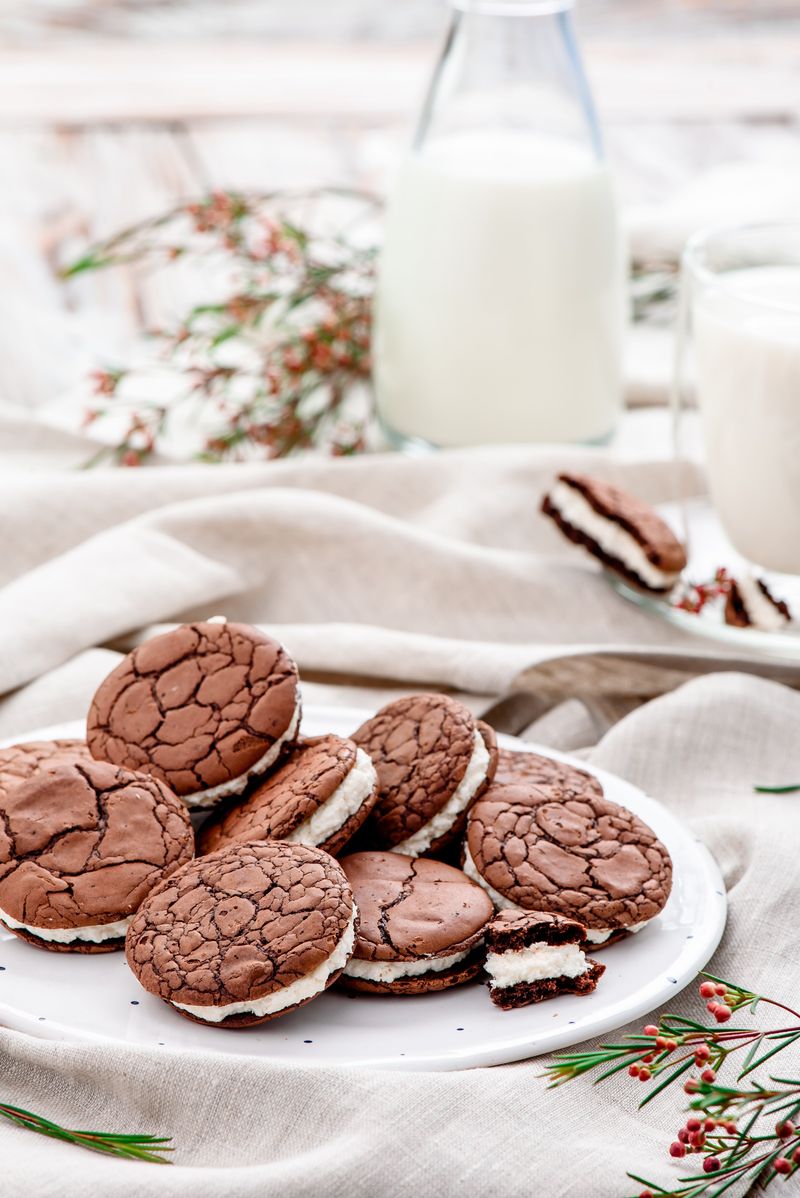
Maine made the whoopie pie its official state treat in 2011, which is different from its state dessert, blueberry pie. Lawmakers clearly wanted room for both.
Pennsylvania also claims the treat, linking it to Pennsylvania Dutch bakers, while Maine points to early commercial bakeries like Labadie's in Lewiston, said to sell them by 1925. The debate is friendly but real.
Two soft, cakey chocolate rounds hold a thick, sweet filling, often made with marshmallow creme. They tend to be big, so sharing is optional but kind.
Maryland: Smith Island Cake With Thin Layers Stacked Eight or More High
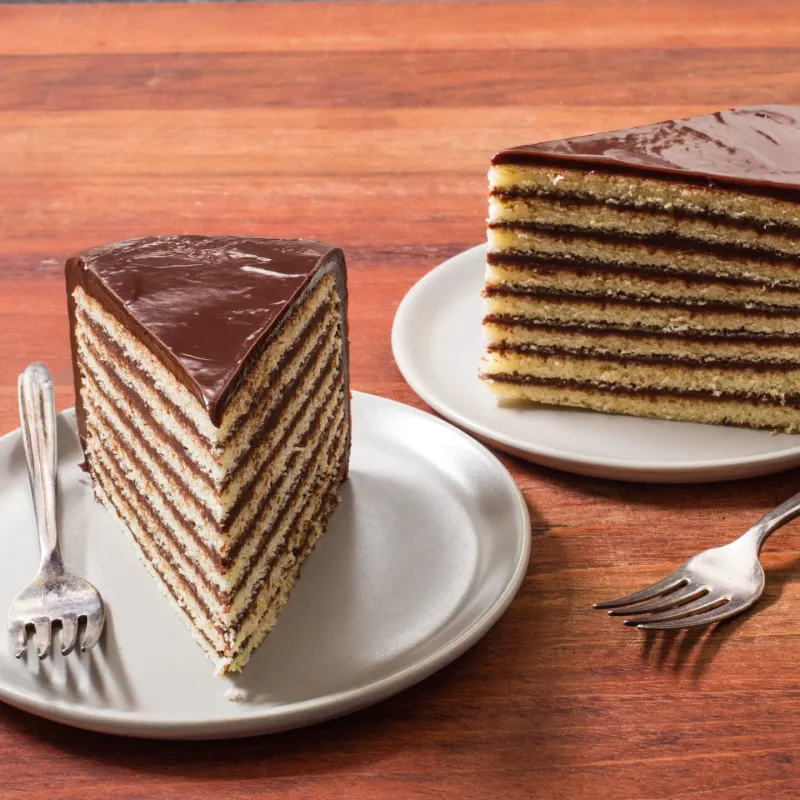
Count the layers on this cake and you may lose track around nine. Maryland named Smith Island cake its official state dessert in 2008.
The cake comes from Smith Island, a small community in the Chesapeake Bay reachable only by boat. Families there have baked it for generations, often during the fall oyster season.
Thin yellow layers are baked separately, then stacked with cooked chocolate fudge icing between each one. Every slice shows neat stripes, which makes it a showstopper at church dinners and birthdays.
Massachusetts: Boston Cream Pie, Custard-Filled Cake Under Chocolate Glaze
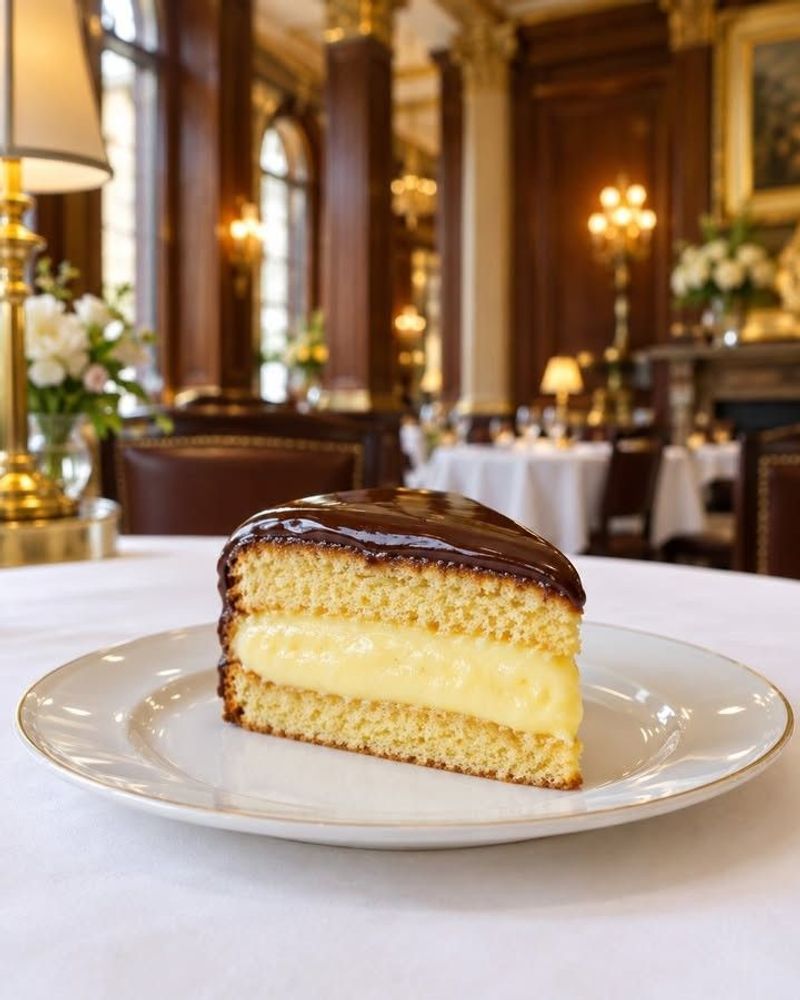
Despite the name, Boston cream pie is a cake, and nobody seems bothered. Massachusetts made it the official state dessert in 1996.
The Parker House Hotel in Boston is credited with creating it in the 1850s, with chef Augustine Francois Anezin often named. Earlier cream pies existed, but the chocolate glaze helped set this one apart.
Two layers of sponge cake hold a thick vanilla custard. A shiny chocolate topping covers everything, so each forkful is soft, creamy, and chocolatey at once.
Michigan: Upper Peninsula Pasty, a Flaky Crimped Hand Pie With Beef and Potato
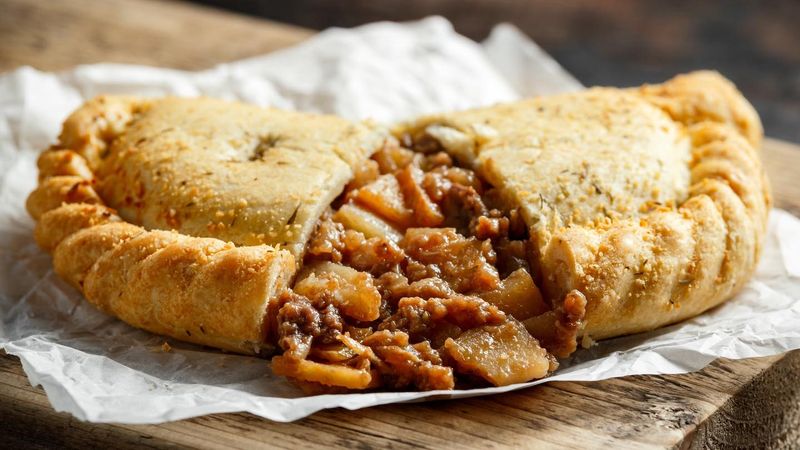
Miners in Michigan's Upper Peninsula once carried lunch sealed inside pastry. Cornish miners brought the pasty in the 1800s when they came to work copper and iron mines.
The crimped crust kept the filling warm and made it easy to hold underground. Finnish and other immigrant miners soon adopted it too.
A classic Yooper pasty holds beef, potato, onion, and rutabaga, baked inside a sturdy crust. People argue about toppings, with gravy and ketchup as the two main camps, and roadside pasty shops dot the region.
Minnesota: Tater Tot Hotdish Baked in a Casserole Pan Under Crispy Tots
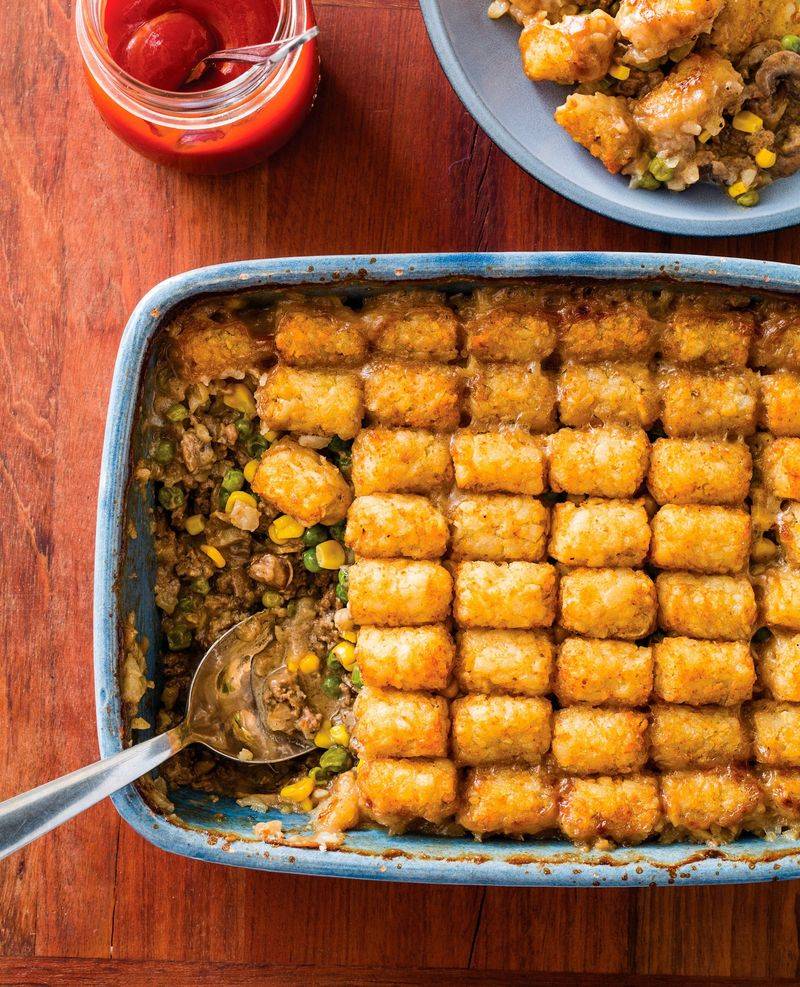
Call it a casserole in Minnesota and someone may kindly correct you. The word hotdish appears in Upper Midwest church cookbooks by the 1930s.
Hotdish typically combines a starch, a meat, a canned or frozen vegetable, and a creamy soup binder. Tater tot hotdish became the best-known version after frozen tots arrived in the 1950s.
Ground beef and green beans sit under neat rows of crispy tots. Potlucks and church suppers made it famous, and Minnesota lawmakers even hold a friendly hotdish cook-off each year.
Mississippi: Cornmeal-Fried Catfish Fillets With Hushpuppies on the Side
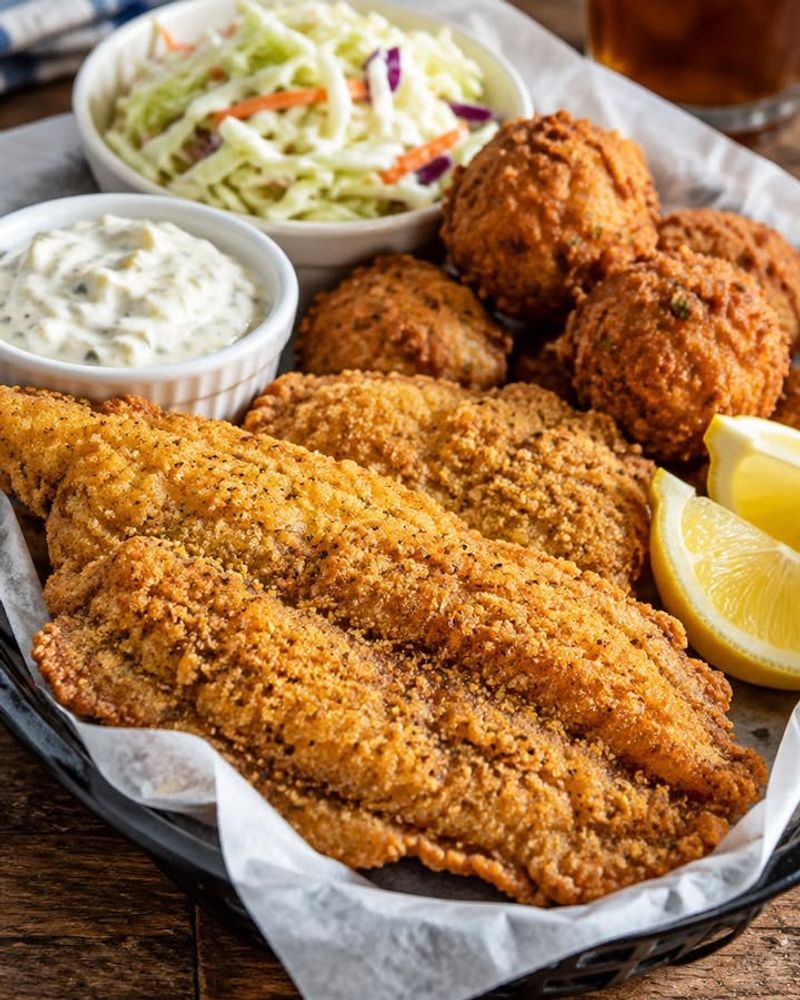
Belzoni, Mississippi, calls itself the Catfish Capital of the World and throws a yearly festival to prove it. The Mississippi Delta became a center of farm-raised catfish in the late 20th century.
Catfish ponds spread across former cotton fields, and the state leads the nation in farmed catfish production. That steady supply kept fried catfish on menus everywhere.
Fillets get rolled in seasoned cornmeal and fried crisp. Plates usually come with hushpuppies, coleslaw, and a lemon wedge, and Friday fish fries are a long-standing Southern custom.
Missouri: Toasted Ravioli Breaded, Fried Crisp, and Dusted With Parmesan
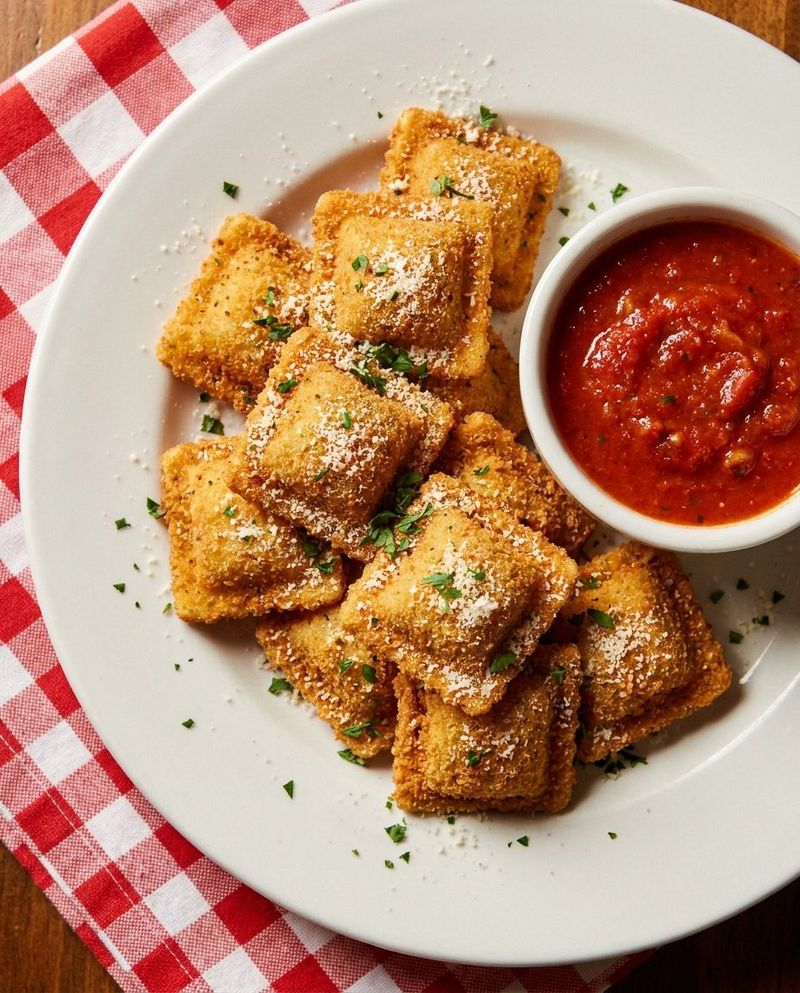
A ravioli that fell into the fryer by mistake is the most popular origin tale here. The dish comes from The Hill, an Italian American neighborhood in St. Louis.
Restaurants there, including one later known as Charlie Gitto's, have claimed it, and stories date it to the 1940s. As with many accidental inventions, the exact moment is hard to pin down.
Meat-filled ravioli are breaded and deep-fried, not toasted. They come dusted with Parmesan and served with marinara for dipping, and you will see them on menus across the St. Louis area.
Montana: Huckleberry Pie With a Purple Wild Berry Filling
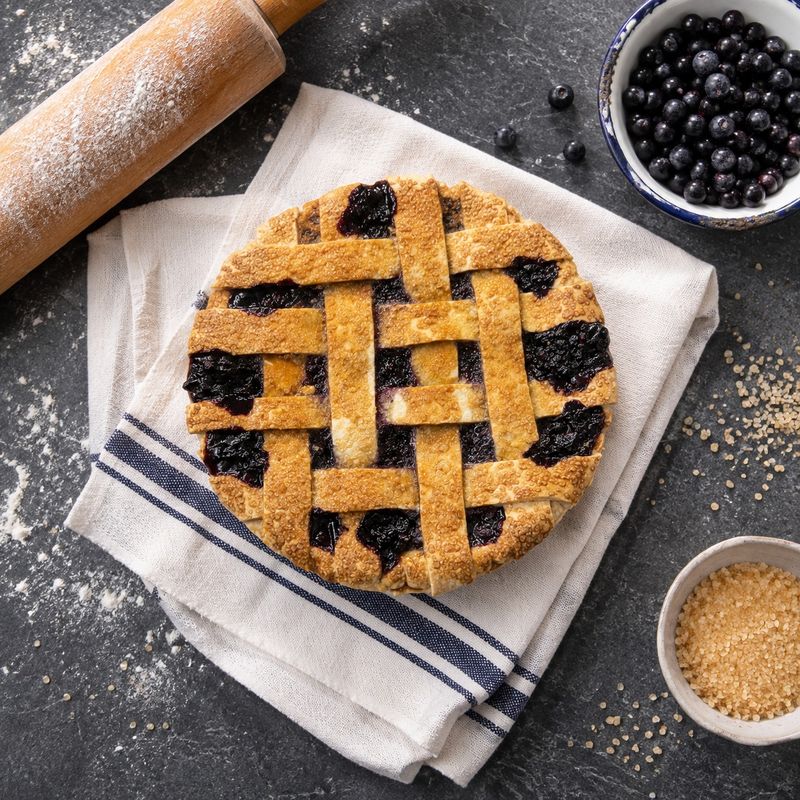
Nobody has figured out how to farm wild huckleberries on a big scale, so every pie depends on pickers. These small purple berries grow in mountain forests across western Montana.
Native peoples of the region have gathered huckleberries for countless generations, and the harvest still matters to many tribal communities. Summer picking trips are a cherished family outing for plenty of Montanans.
The berries taste like a tart cousin of blueberries. Baked into a double crust or lattice pie, they turn deep purple and jammy, so expect stained fingers.
Nebraska: Reuben Sandwich Grilled on Rye With Corned Beef and Sauerkraut
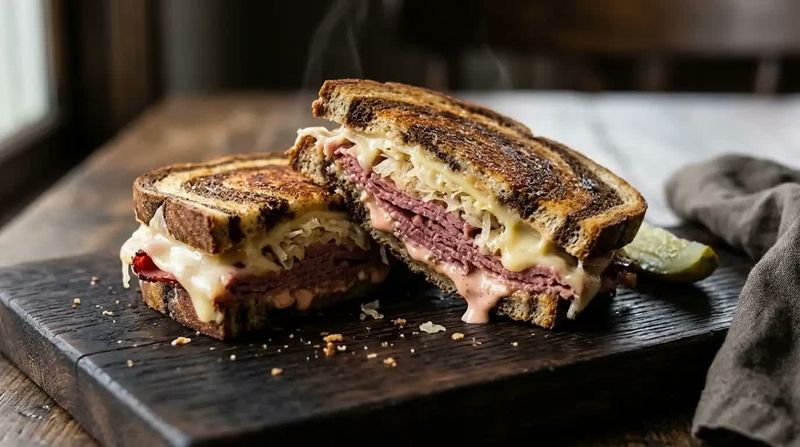
A late-night poker game in Omaha is one of the Reuben's origin stories. Grocer Reuben Kulakofsky is said to have created it in the 1920s, and the Blackstone Hotel later put it on its menu.
New York has a competing claim through deli owner Arnold Reuben. Both stories have support, so the sandwich has two hometowns.
Corned beef, sauerkraut, and Swiss cheese go on rye with Russian or Thousand Island dressing. The whole thing is grilled until the cheese melts and the bread crisps.
Nevada: Basque Family-Style Lamb Stew Served at Long Shared Tables
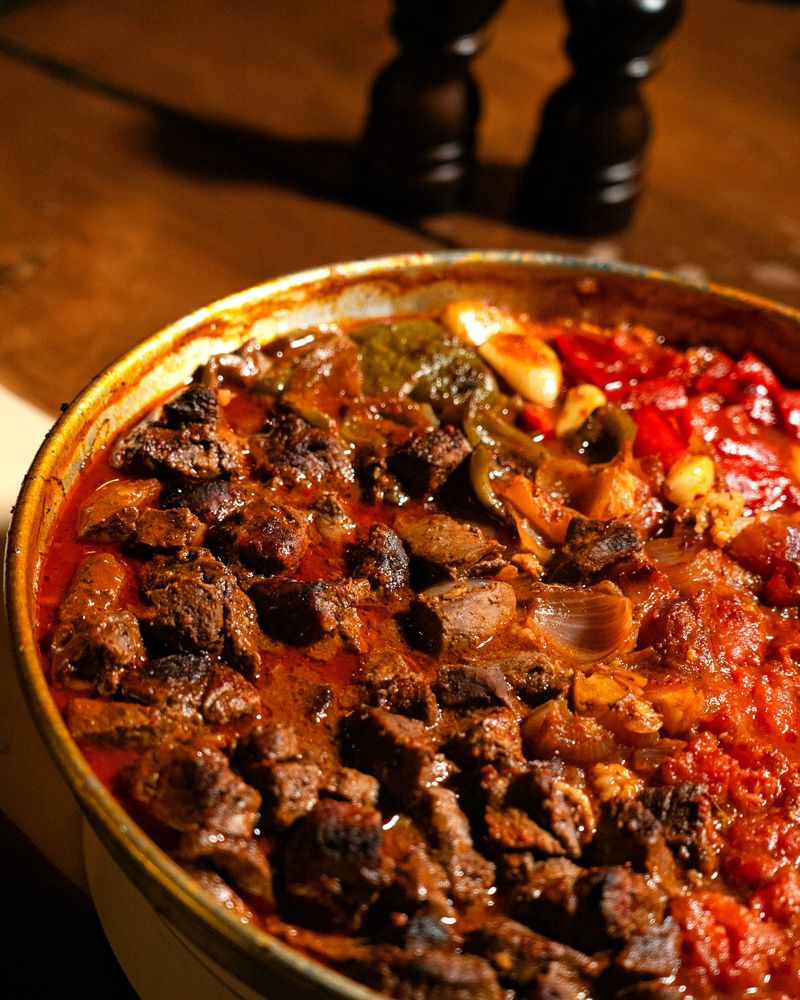
Strangers passing bowls down a long table is the classic way to eat Basque food in Nevada. Basque immigrants from Spain and France came to the state in the late 1800s, many to herd sheep.
Boardinghouses in towns like Elko, Reno, and Winnemucca fed herders between jobs. Those family-style meals became a lasting part of the state's food culture.
A typical spread includes soup, beans, salad, bread, and a hearty main like lamb stew. Courses keep coming, so pace yourself before the meat arrives.
New Hampshire: New England Boiled Dinner With Corned Beef, Cabbage, and Carrots
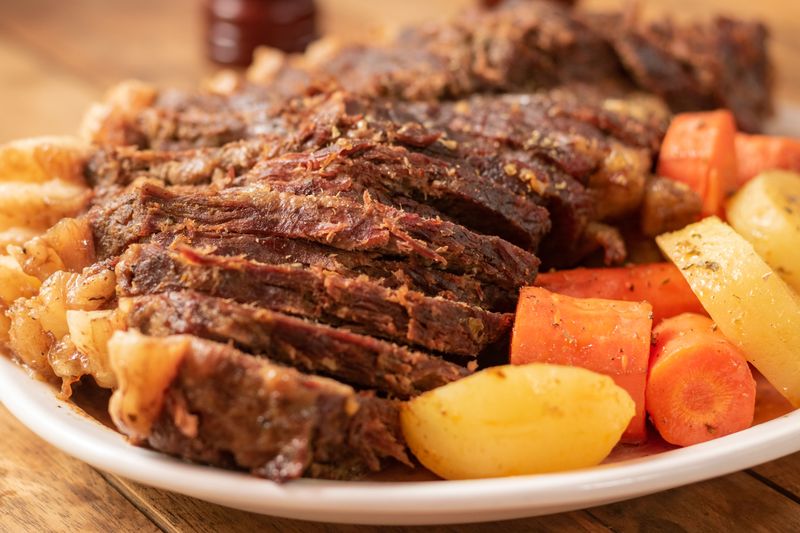
One pot, a pile of root vegetables, and a long simmer are all a boiled dinner needs. Cookbooks across New England, including New Hampshire, recorded it in the 1800s.
Corned beef or ham simmers with cabbage, potatoes, carrots, turnips, and sometimes beets. Beets can turn the whole platter pink, which some cooks enjoy.
Leftovers often become red flannel hash the next morning, chopped and fried in a skillet. You get two meals from one pot, a practical habit in long northern winters.
New Jersey: Pork Roll, Egg, and Cheese Stacked on a Hard Roll
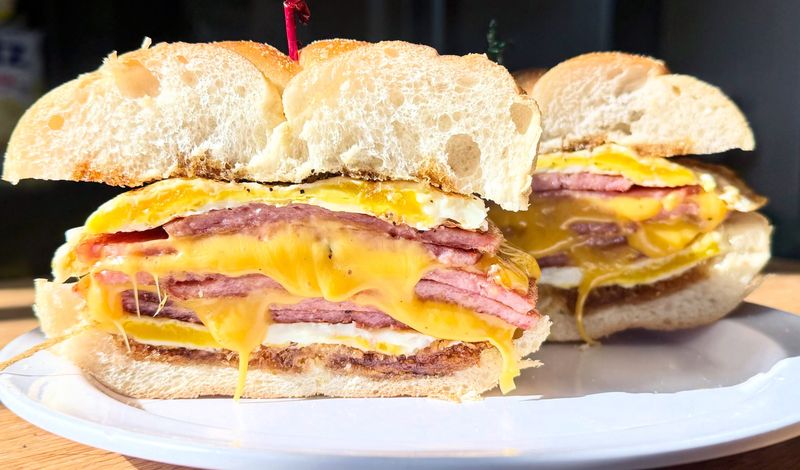
Saying "pork roll" or "Taylor ham" can reveal which half of New Jersey you call home. The product traces to John Taylor of Trenton, who began selling it in 1856.
Pork roll is a seasoned, smoked, processed pork. Cooks often cut small slits around each slice so it lies flat instead of curling into a cup on the griddle.
Fried slices go on a hard roll with a fried egg and American cheese. Delis across the state serve it as a breakfast standby, with salt, pepper, and ketchup as common extras.
New Mexico: Green Chile Cheeseburger Topped With Roasted Hatch Chiles
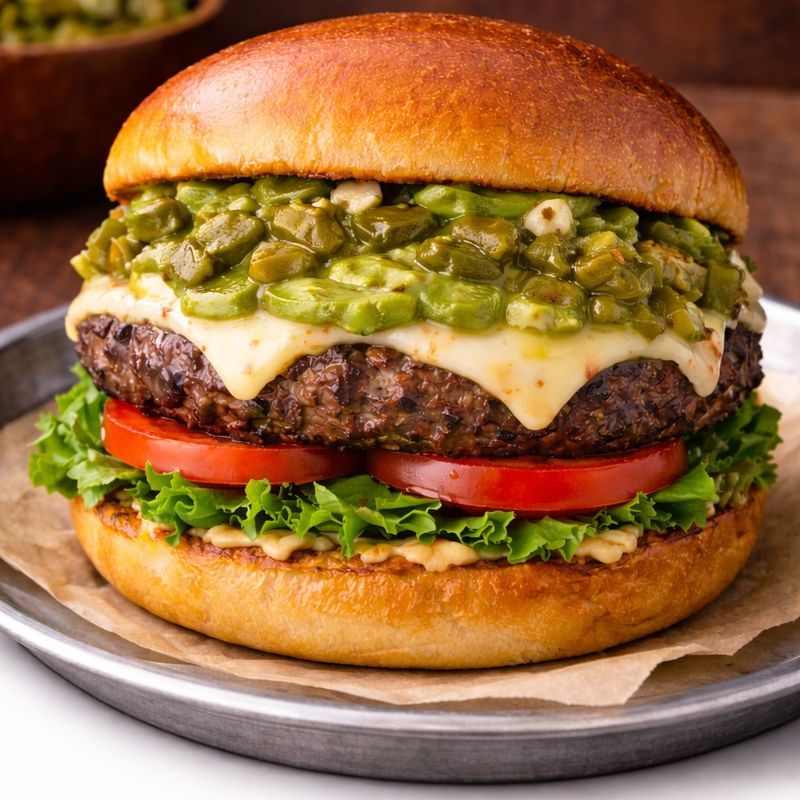
Roasted chiles on a burger might seem like a small twist, but New Mexico built an entire tourism trail around it. The state launched its Green Chile Cheeseburger Trail in 2009.
New Mexico's chile peppers, including those grown near Hatch, are a point of state pride. Lawmakers even made "Red or green?" the official state question in 1996.
A beef patty gets topped with melted cheese and chopped roasted green chile. The heat varies by batch, so ask how spicy things are running before you order.
New York: Buffalo Wings Tossed in Hot Sauce With Blue Cheese and Celery
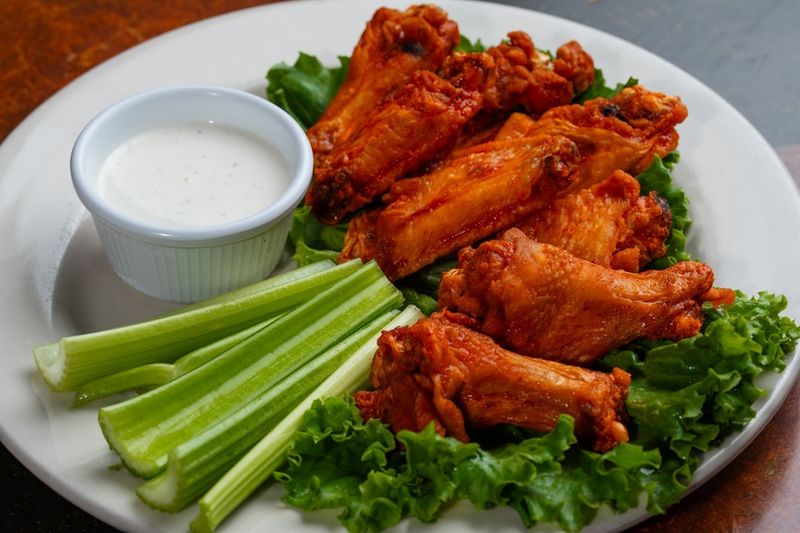
Chicken wings were once cheap leftovers before Buffalo turned them into a national obsession. Teressa Bellissimo of the Anchor Bar is usually credited with first serving them in 1964.
Another Buffalo cook, John Young, also served wings in the 1960s with his own sauce. The city recognizes the Bellissimo story most widely, though Young's role gets mentioned too.
Fried wings are tossed in a mix of hot sauce and butter. They come with celery and blue cheese dressing, and Buffalo hosts a yearly wing festival.
North Carolina: Chopped Pork Barbecue Sandwich With Vinegar Sauce and Slaw
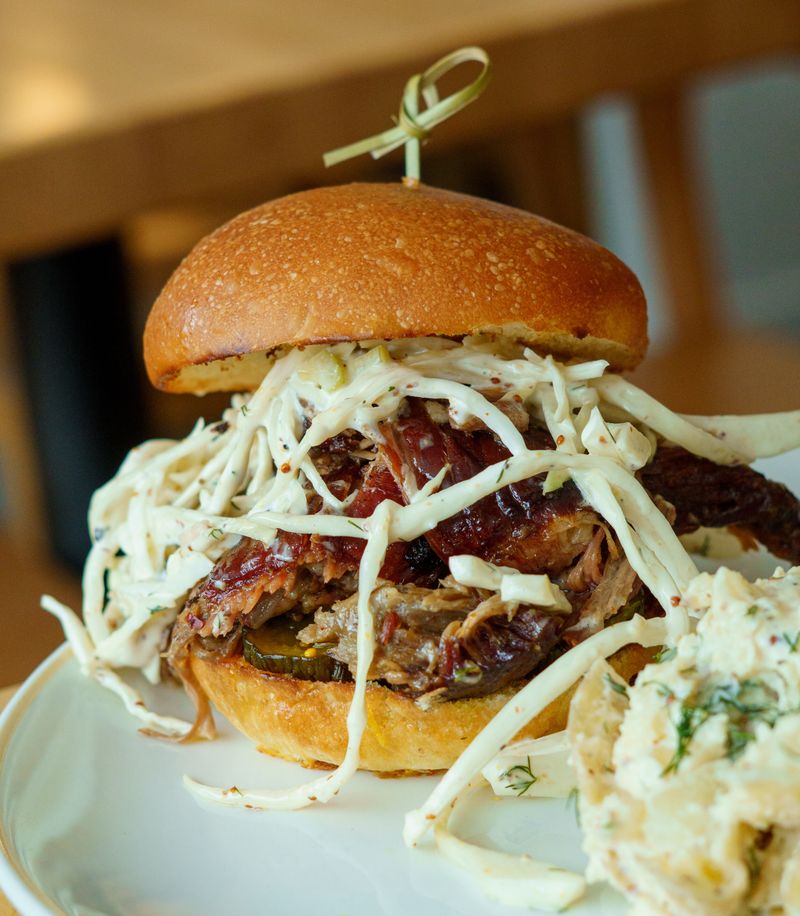
North Carolina takes barbecue so seriously that the state has two main styles. Eastern cooks smoke the whole hog, while the Piedmont, around Lexington, focuses on pork shoulder.
Eastern sauce is thin vinegar with red pepper flakes. Lexington style adds a little ketchup and sugar, and the region often uses red slaw.
Either way, chopped pork lands on a soft bun with coleslaw piled right on top. Hushpuppies often come alongside, and food writers trace whole-hog cooking here back to colonial times.
North Dakota: Knoephla Soup, a Creamy Bowl of Potato and Dumplings
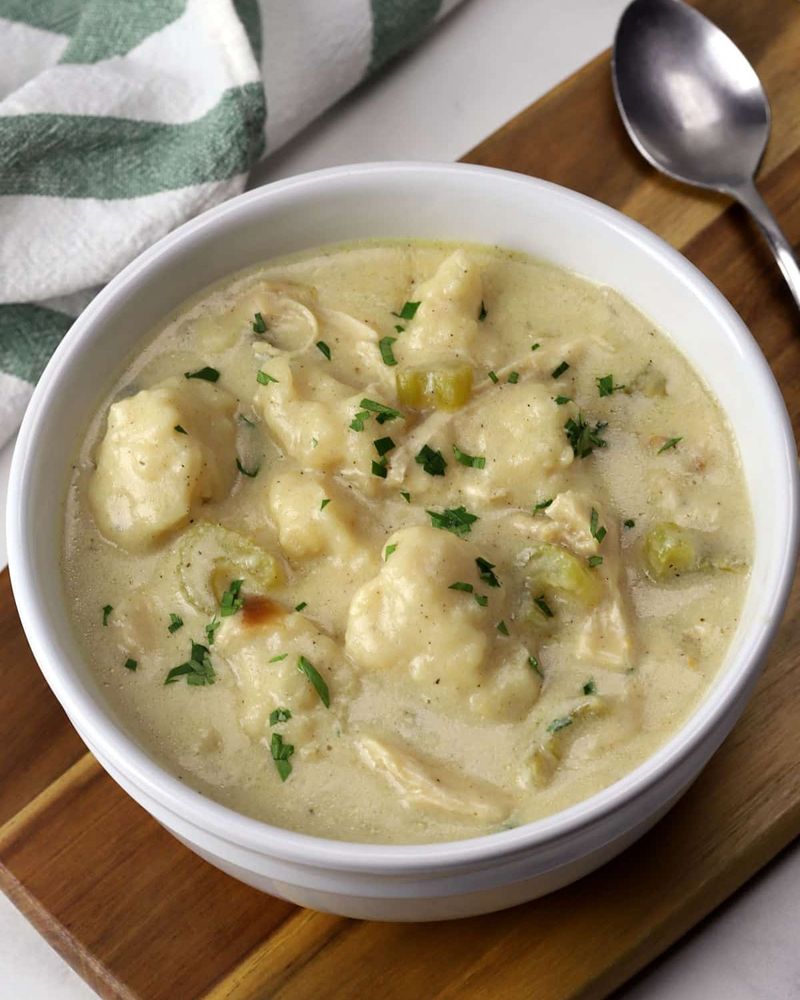
Knoephla sounds tricky to say, but it simply means small dumplings. Germans from Russia brought the dish to North Dakota in the late 1800s.
These settlers shaped much of central North Dakota, and their foods still show up in cafes and church suppers. Knoephla soup became one of the most loved.
Chewy dumplings simmer with potatoes, onion, and celery in a creamy chicken broth. It tastes like a thick cousin of chicken noodle soup, and some cafes serve it as their daily special in cold months.
Ohio: Cincinnati Chili Ladled Over Spaghetti Under Shredded Cheddar
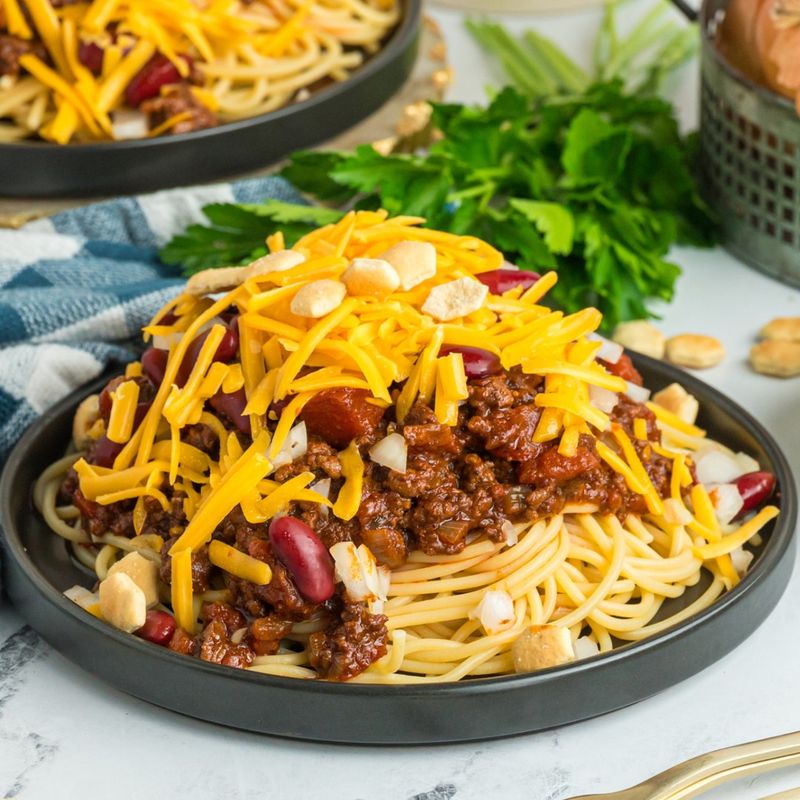
Cinnamon and spaghetti are not what most people expect in a chili. Macedonian immigrants Tom and John Kiradjieff started serving this style at their Cincinnati restaurant, Empress, in 1922.
The thin meat sauce uses spices like cinnamon, allspice, and cloves. It has more in common with Mediterranean cooking than Texas chili.
Orders come in "ways," such as a three-way with spaghetti, chili, and a huge pile of shredded cheddar. Add onions or beans for a four-way, and both for a five-way.
Oklahoma: Chicken Fried Steak Smothered in Creamy Pepper Gravy
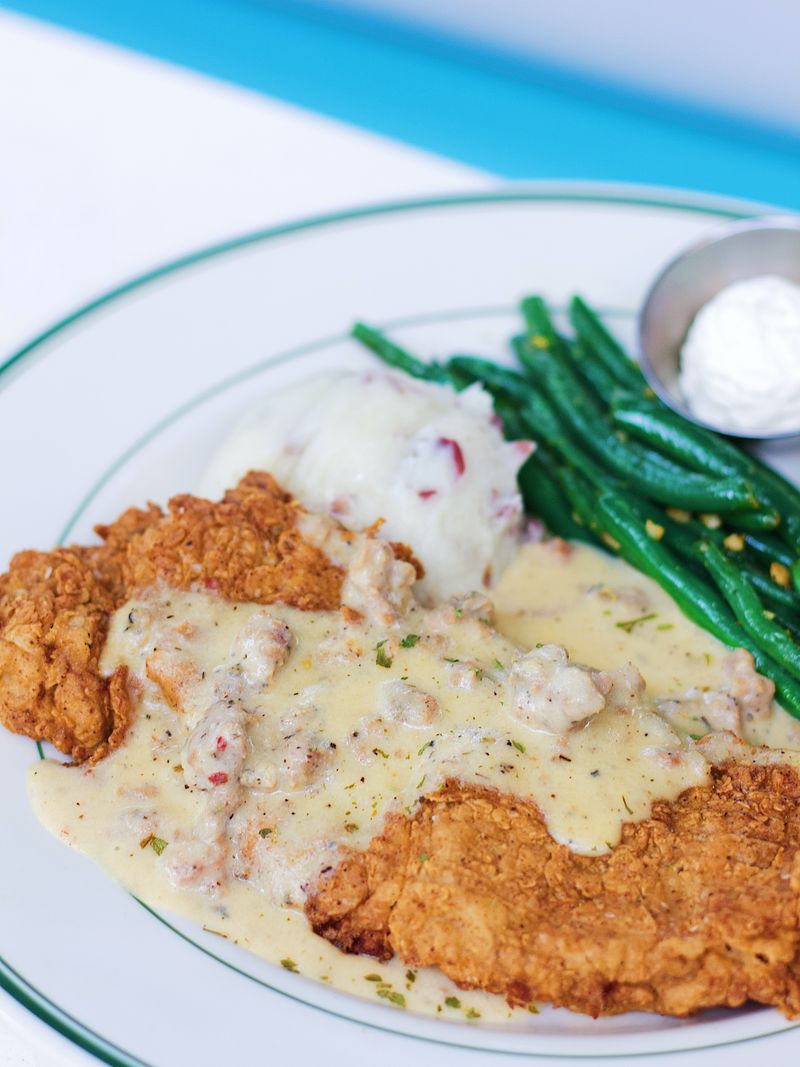
Oklahoma's official state meal, adopted in 1988, includes twelve foods, and this crispy steak earned a spot. It shares the table with barbecue pork, fried okra, cornbread, and pecan pie.
Cooks pound a tough cut of beef thin, dredge it in seasoned flour, and fry it like chicken. That method gives the dish its name, even though no chicken is involved.
A ladle of creamy pepper gravy goes right over the top. Mashed potatoes usually come along to catch any extra gravy.
Oregon: Marionberry Pie With a Dark, Juicy Blackberry Filling
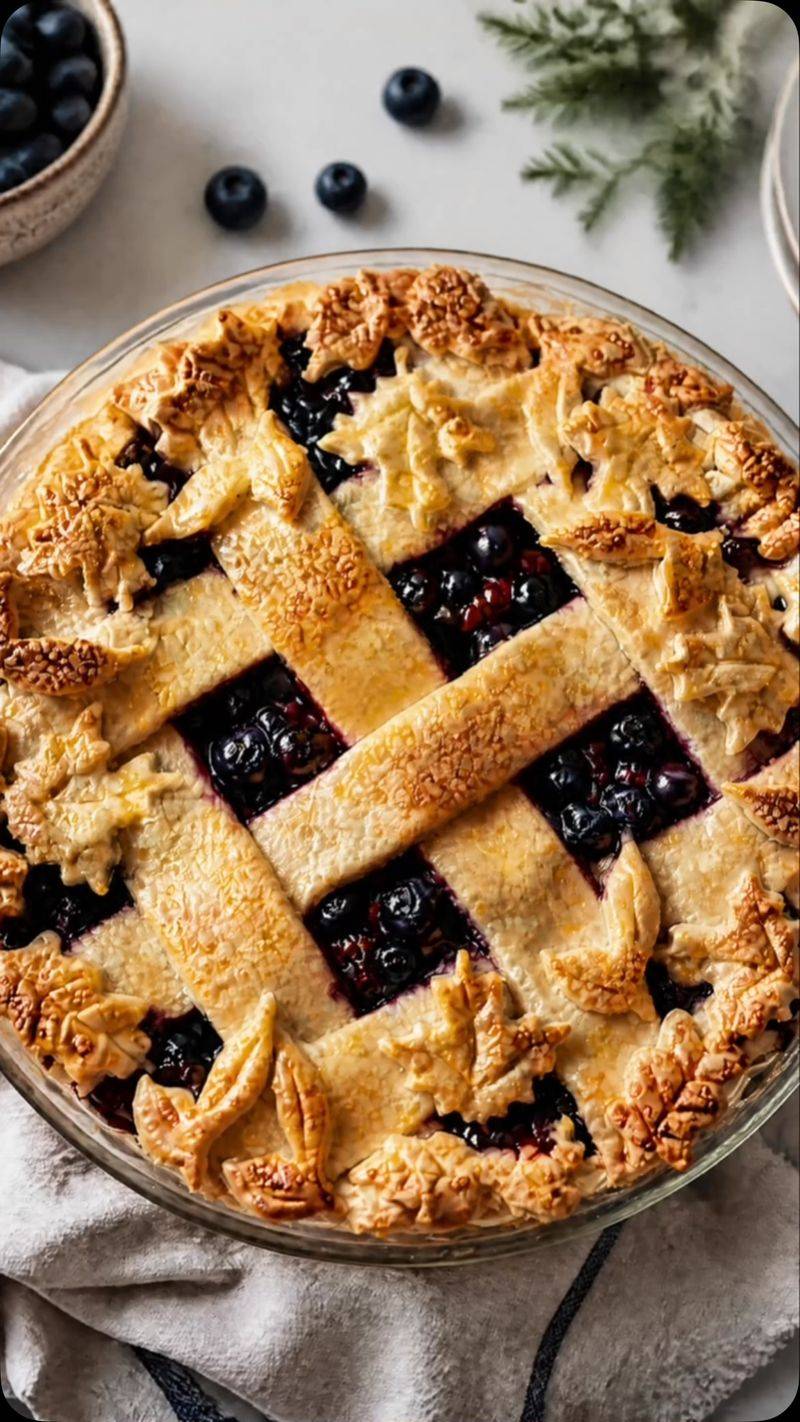
Few states can say a berry was bred and named in their own backyard. The marionberry was developed through Oregon State University and USDA work and released in 1956.
It is named for Marion County, where it was tested in the Willamette Valley. Oregon remains the main place where marionberries are grown.
The berry is a type of blackberry with a deep, sweet-tart taste. Baked into pie, it turns dark and juicy, and farm stands across the valley sell it each summer.
Pennsylvania: Philly Cheesesteak Piled With Chopped Beef and Melted Cheese
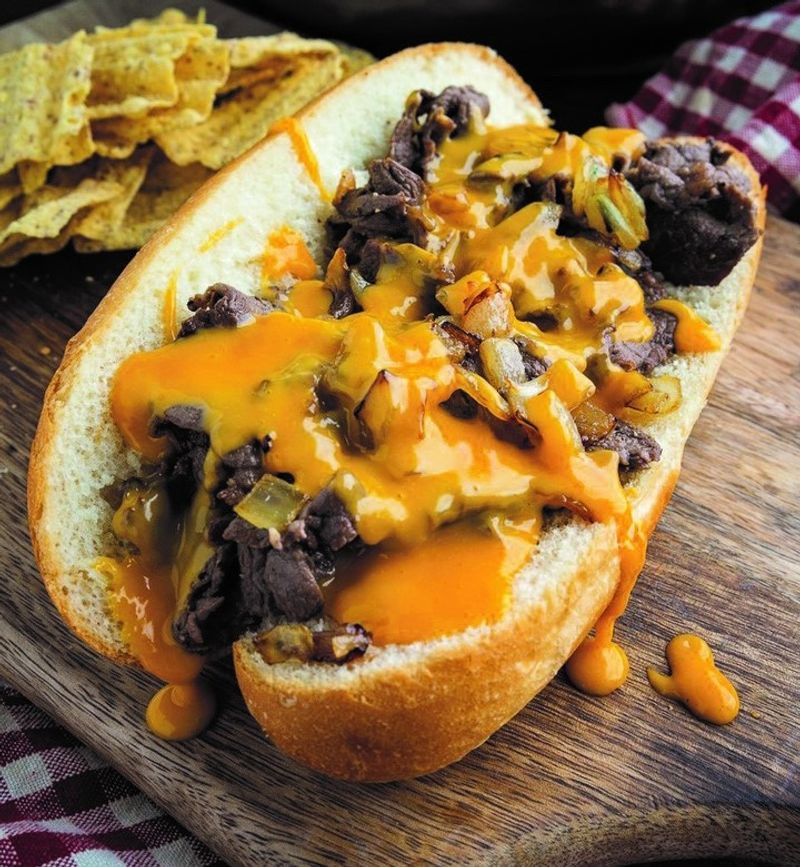
A hot dog vendor's lunch experiment turned into Philadelphia's most famous sandwich. Pat Olivieri and his brother Harry are credited with grilling chopped beef on an Italian roll in 1930.
Their stand grew into Pat's King of Steaks in South Philadelphia. Cheese came later, and versions with provolone, American, or melted cheese sauce all have fans.
Thinly sliced ribeye gets cooked on a griddle, often with onions, then stuffed into a long roll. Ordering "with" or "without" refers to onions, a handy phrase to know.
Rhode Island: Clear Clam Chowder Served in a Bowl With Fried Clam Cakes
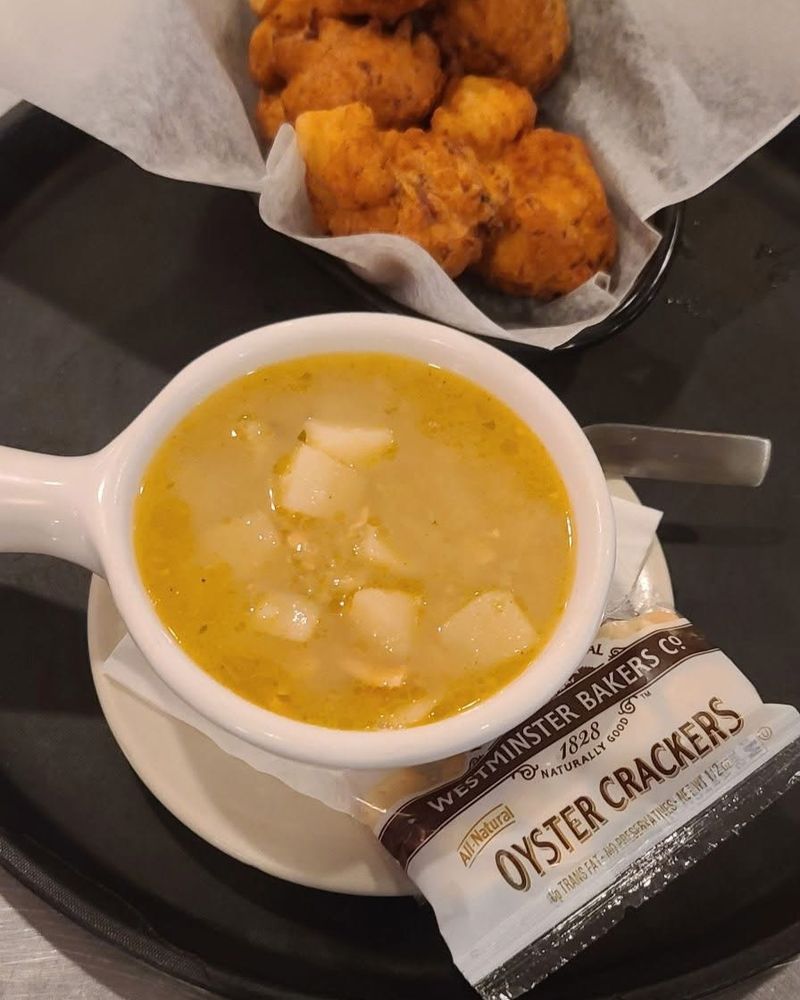
Rhode Island skips the cream and the tomatoes, giving its clam chowder a clear broth. That sets it apart from both the New England and Manhattan styles.
The chowder uses chopped quahogs, a local hard-shell clam, plus potatoes, onions, and salt pork or bacon. You taste the clams and the sea without anything heavy covering them.
Seaside stands commonly pair it with clam cakes, which are fried dough fritters studded with clam bits. Dunking the cakes into the chowder is a popular move.
South Carolina: Shrimp and Grits Served in a Bowl With Creamy Stone-Ground Grits
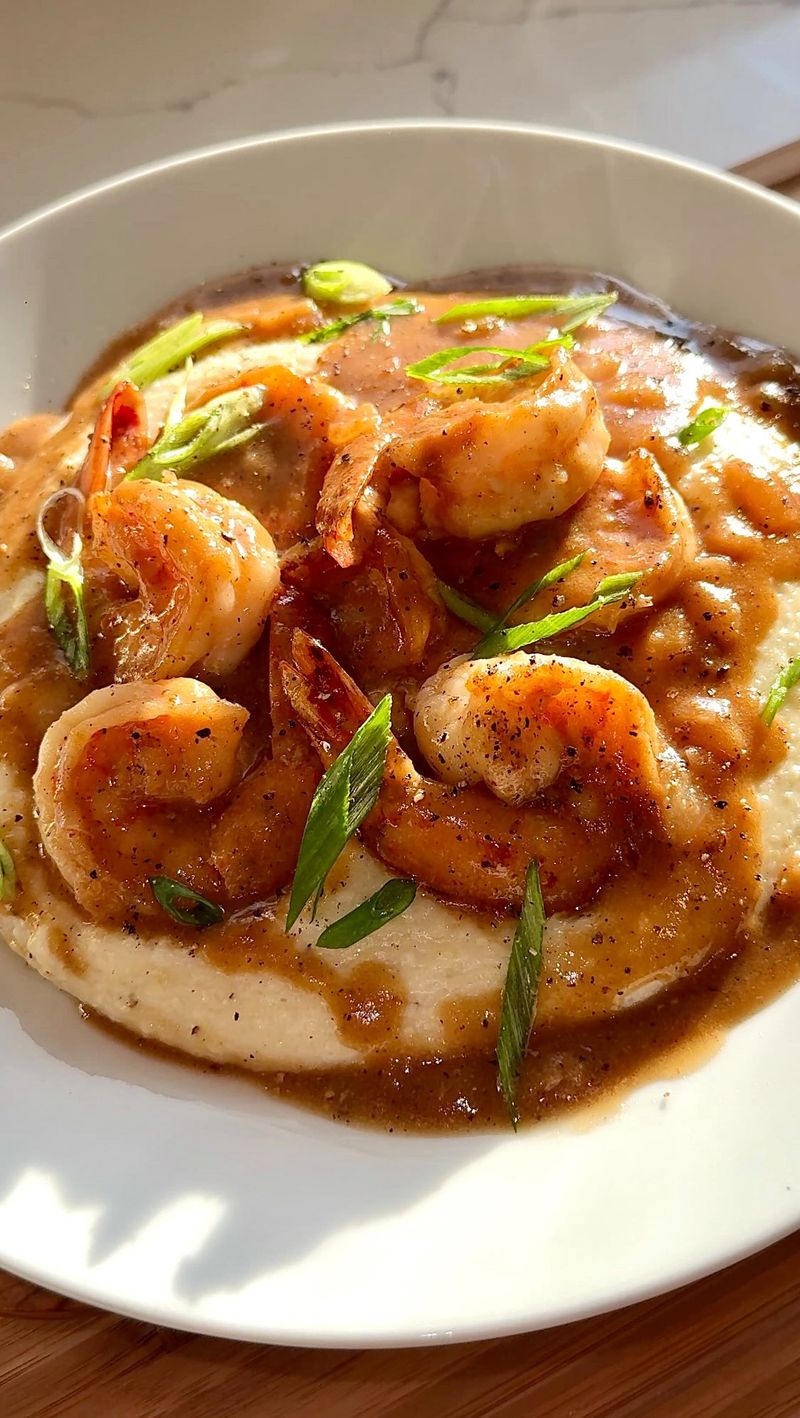
Fishermen's families along the Lowcountry coast ate shrimp and grits for breakfast long before restaurants made it fancy. The dish has deep roots in Gullah Geechee foodways and coastal home kitchens.
Chef Bill Neal brought it to wider attention in the 1980s, and a 1985 New York Times article helped spread it. Charleston restaurants then made it a signature.
Creamy grits form the base, topped with sauteed shrimp and often bacon, onions, or gravy. Stone-ground grits give a richer texture than instant ones.
South Dakota: Chislic, Fried Cubes of Meat Served on Toothpicks
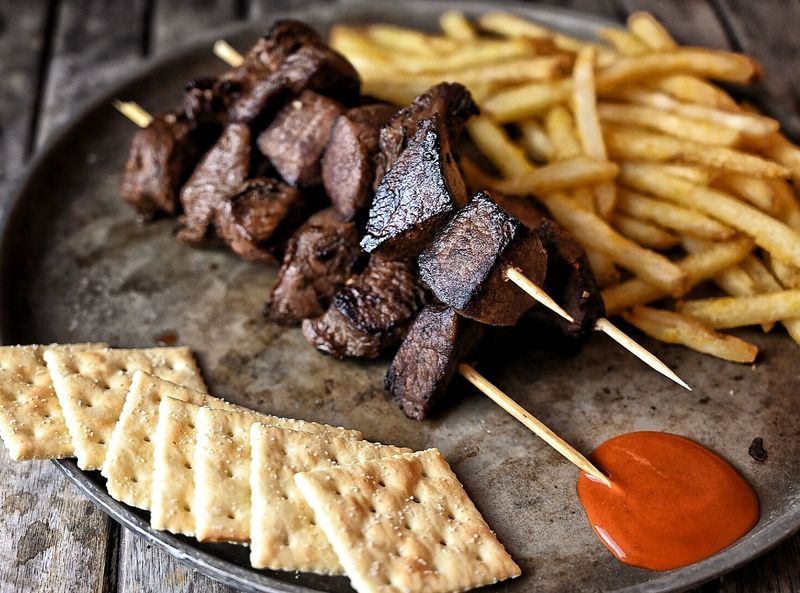
South Dakota is one of the few places with an official state nosh. Lawmakers gave that title to chislic in 2018.
The dish is tied to German-Russian settlers in the southeastern part of the state, especially around Freeman. Its name likely connects to the word shashlik, a skewered meat dish.
Small cubes of lamb, mutton, or beef are fried or grilled, then sprinkled with garlic salt. They come with toothpicks and often saltine crackers, which makes them easy to share around a table.
Tennessee: Nashville Hot Chicken on White Bread With Pickle Chips
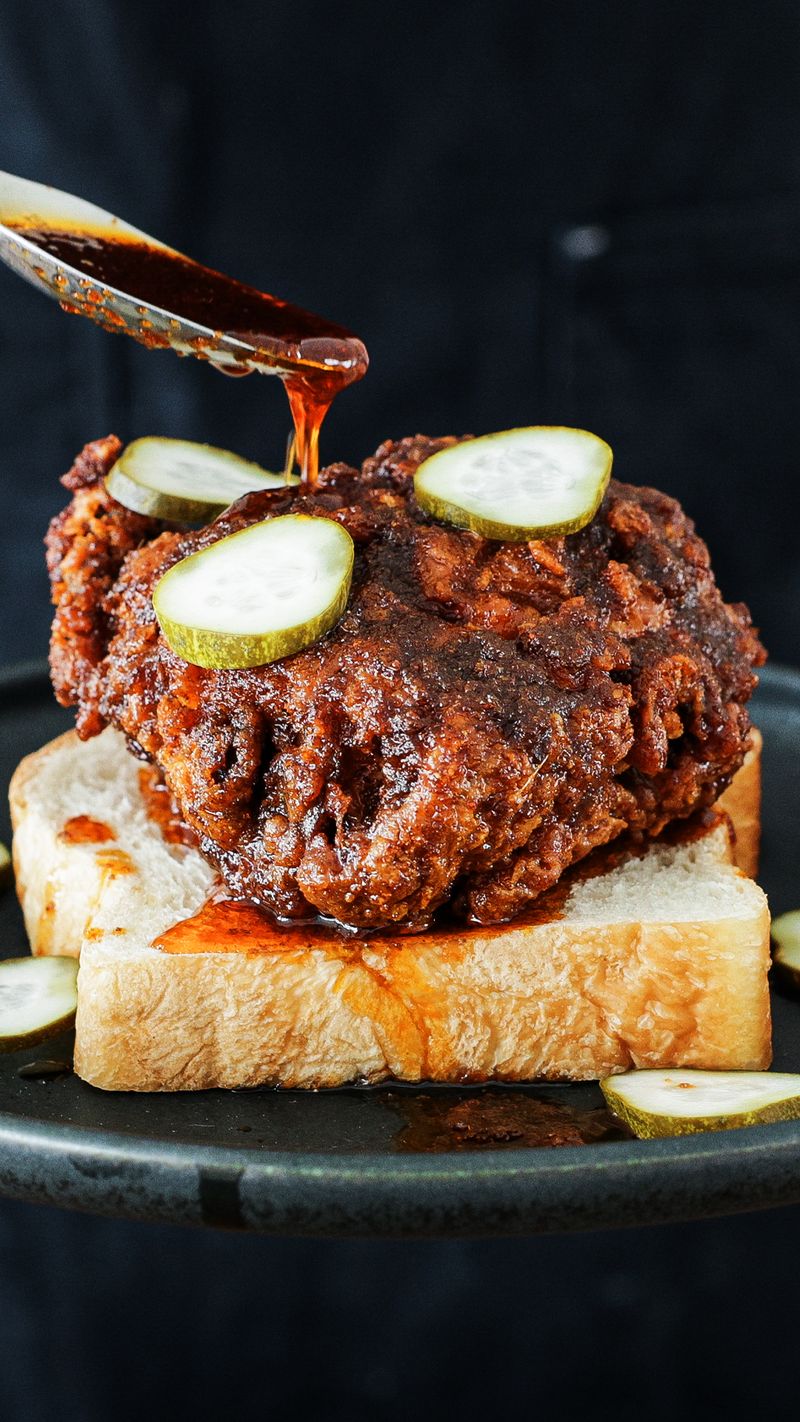
Legend says this fiery chicken started as payback. The story holds that a woman spiced up Thornton Prince's chicken in the 1930s to get back at him, but he loved it.
Prince and his family went on to open a chicken shack in Nashville, and Prince's Hot Chicken carries the tradition. The revenge tale is family lore, so take it lightly.
Fried chicken gets coated in a paste of cayenne and hot oil. It sits on white bread with pickle chips, which help soak up the heat.
Texas: Chili Con Carne, a Bowl of Red With Beefy Chunks
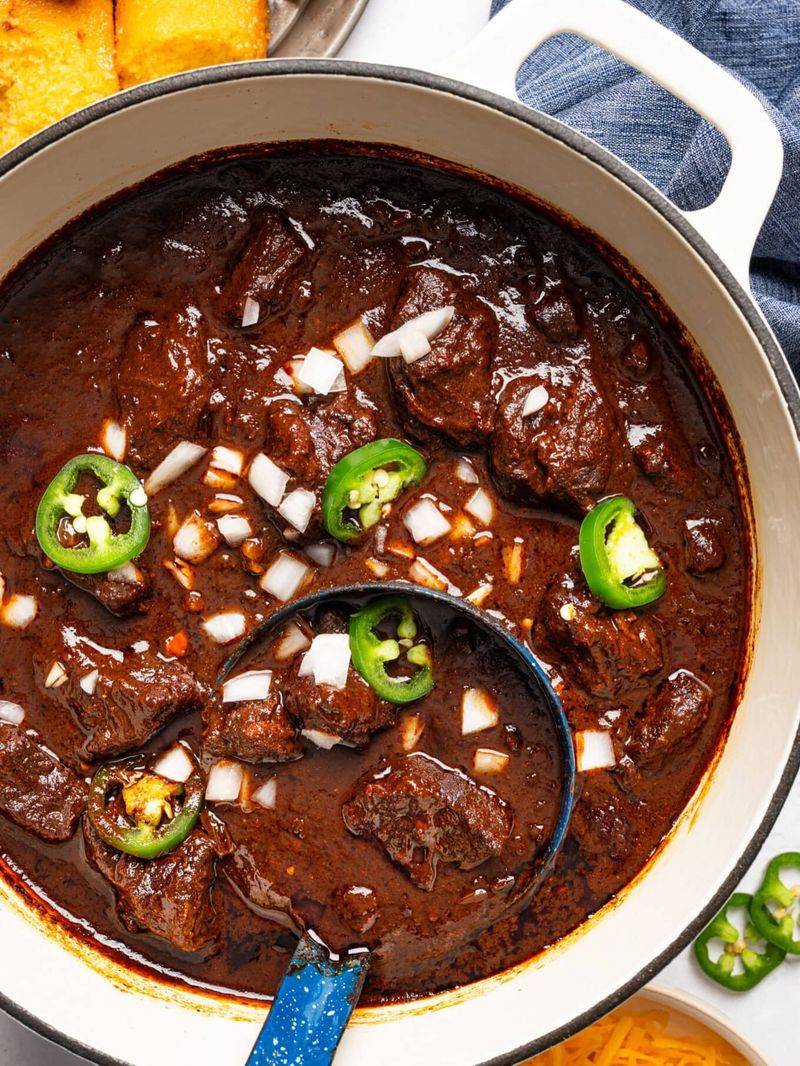
Texas lawmakers made chili the official state dish in 1977. Many Texans insist real chili has no beans at all.
San Antonio's "chili queens" sold chili from street stands in the 1800s, and they helped make it famous. Cattle drives and trail cooks spread the stew across the region.
Classic Texas chili uses chunks or coarse grinds of beef in a sauce of dried chiles and spices. It is often called a bowl of red, and cook-offs across the state keep the debates going.
Utah: Funeral Potatoes Baked Cheesy Under a Crunchy Cornflake Topping
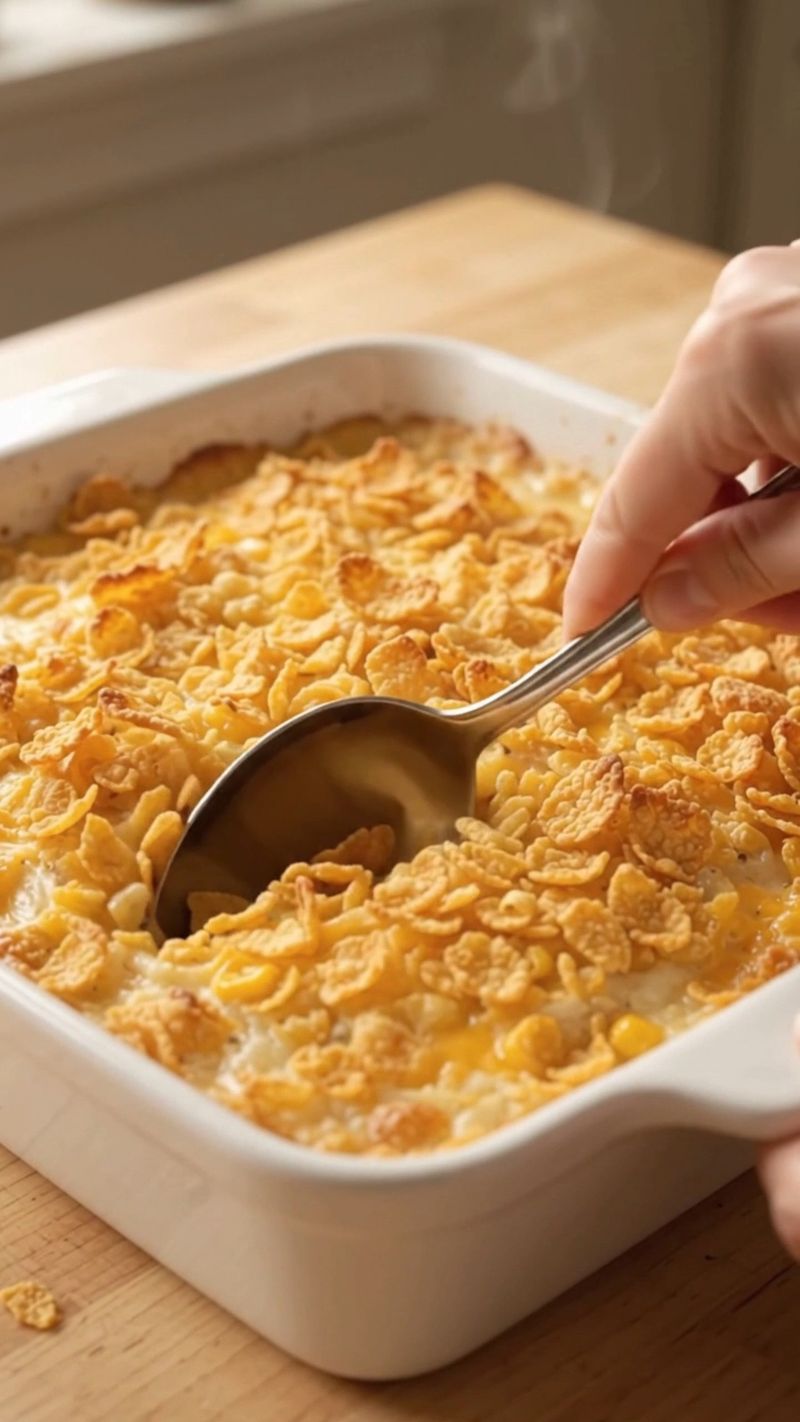
A potato casserole once showed up on a souvenir pin at the 2002 Salt Lake City Winter Olympics. That pin was for funeral potatoes, a dish deeply tied to Utah gatherings.
Members of the Church of Jesus Christ of Latter-day Saints often bring it to meals after funerals, which explains the name. It also appears at holidays and potlucks.
Shredded or diced potatoes mix with cheese, sour cream, and creamy soup. A crunchy topping of cornflakes or crushed crackers bakes on top.
Vermont: Apple Pie Served With a Slice of Sharp Cheddar
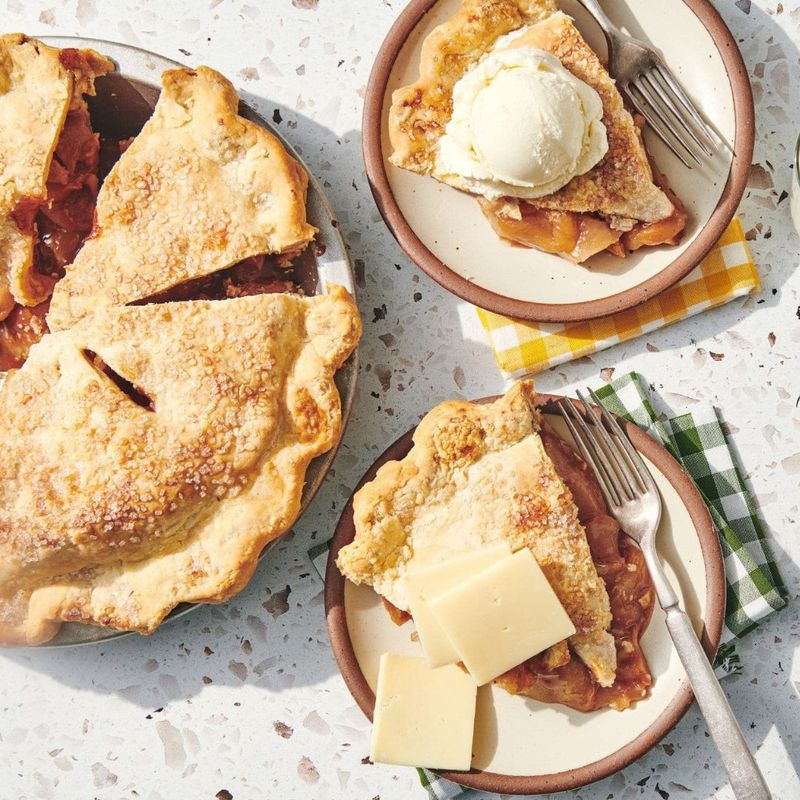
Vermont's official state pie law includes serving suggestions, which is pretty charming. When lawmakers named apple pie the state pie in 1999, they encouraged pairing it with cheddar or ice cream.
The law even mentions a glass of cold milk. Vermont's dairy farms and apple orchards make this pairing feel right at home.
Sharp cheddar melts slightly against warm pie, balancing the sweet apples with a salty bite. If you have only tried pie with ice cream, this combo deserves a turn.
Virginia: Country Ham Biscuits Packed With Salty Thin-Sliced Ham
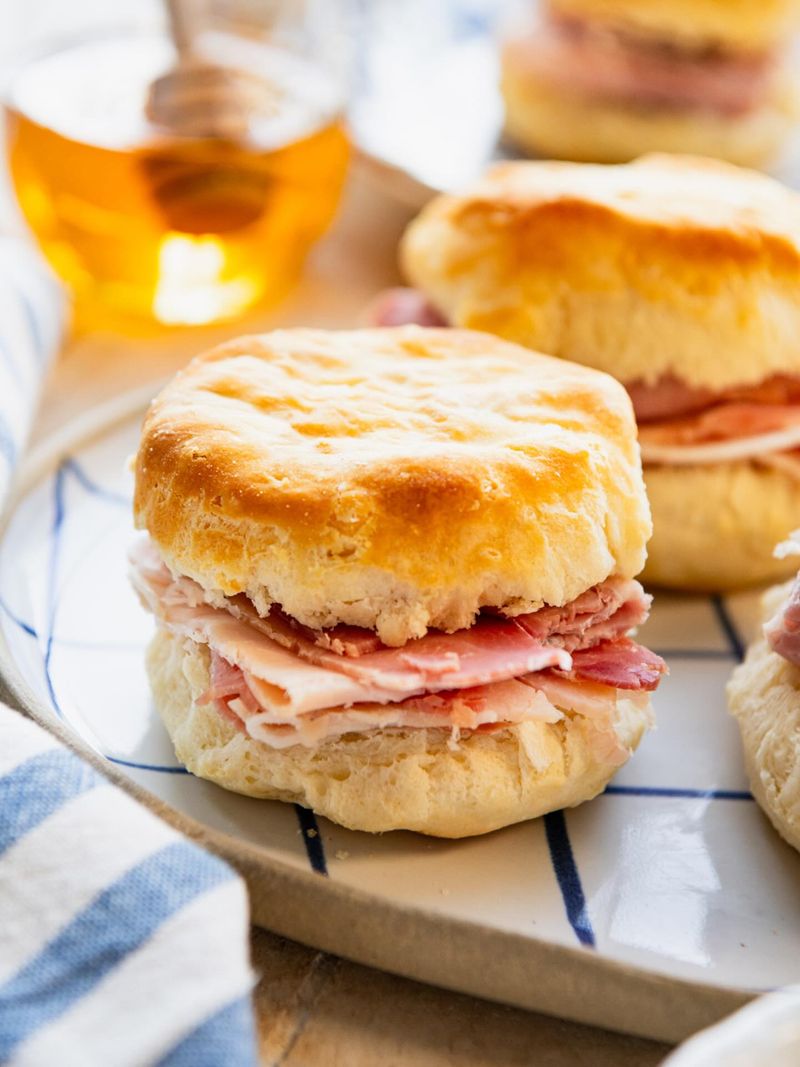
Smithfield, Virginia, has a protected legal definition for its hams, set by state law in 1926. Those salty, aged hams became a symbol of Virginia cooking.
Country ham is dry-cured with salt, then aged for months. Colonial Virginia farmers used similar methods long before refrigeration.
Paper-thin slices tucked into small biscuits make a classic party food and holiday snack. A little goes a long way because the ham is so salty, so many cooks pair it with butter or a dab of mustard.
Washington: Seattle Teriyaki Chicken Over Rice in a Takeout Box
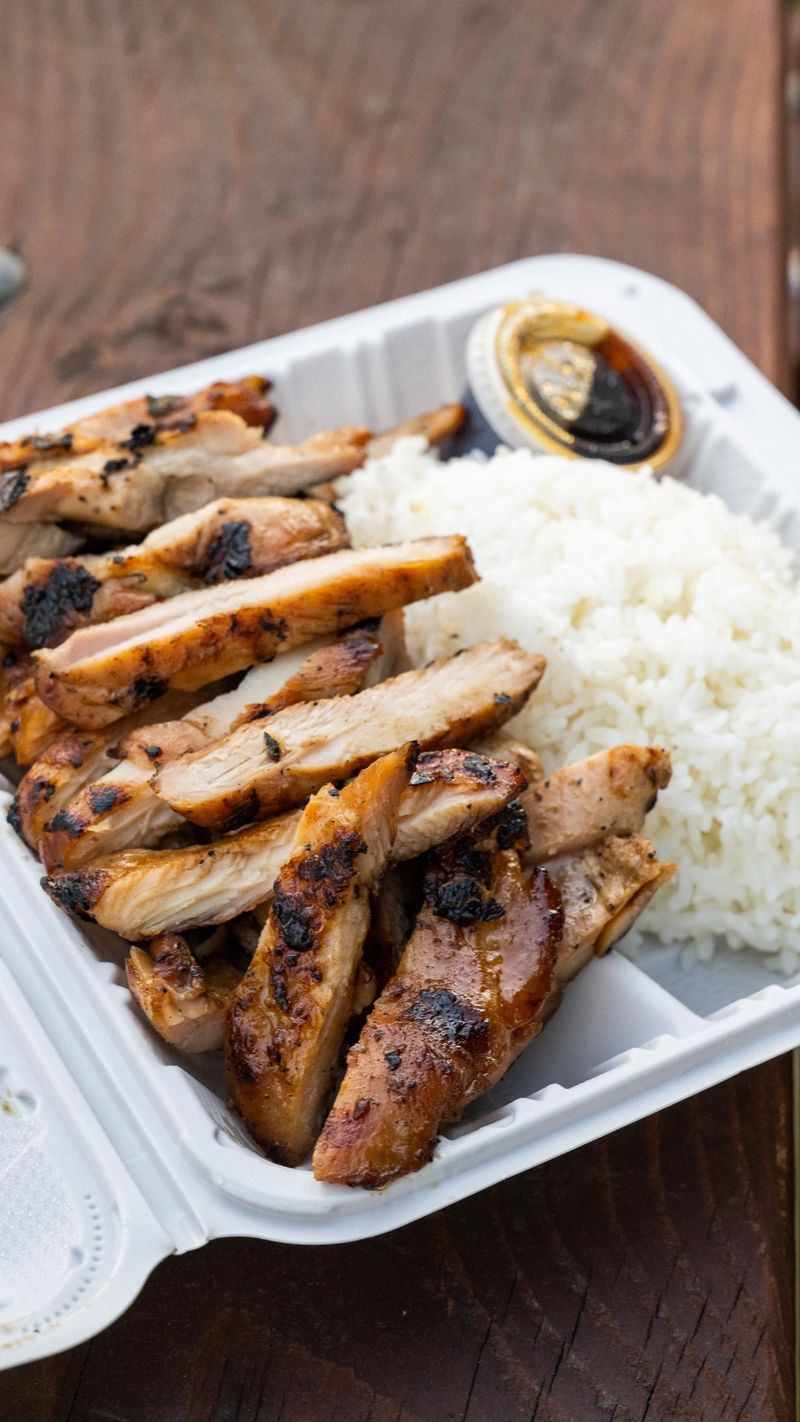
Seattle has a teriyaki shop in many neighborhoods, and the trend has a clear starting point. Toshihiro Kasahara opened Toshi's Teriyaki in 1976, and the style spread from there.
Japanese immigrant and Japanese American communities have long shaped Seattle food. Kasahara's simple menu turned teriyaki into a fast, affordable meal.
Grilled chicken thighs get a sweet, glossy sauce and sit on a scoop of rice. A small salad usually rides along, all in a takeout box built for lunch breaks.
West Virginia: Pepperoni Roll Baked With Sticks of Pepperoni Inside
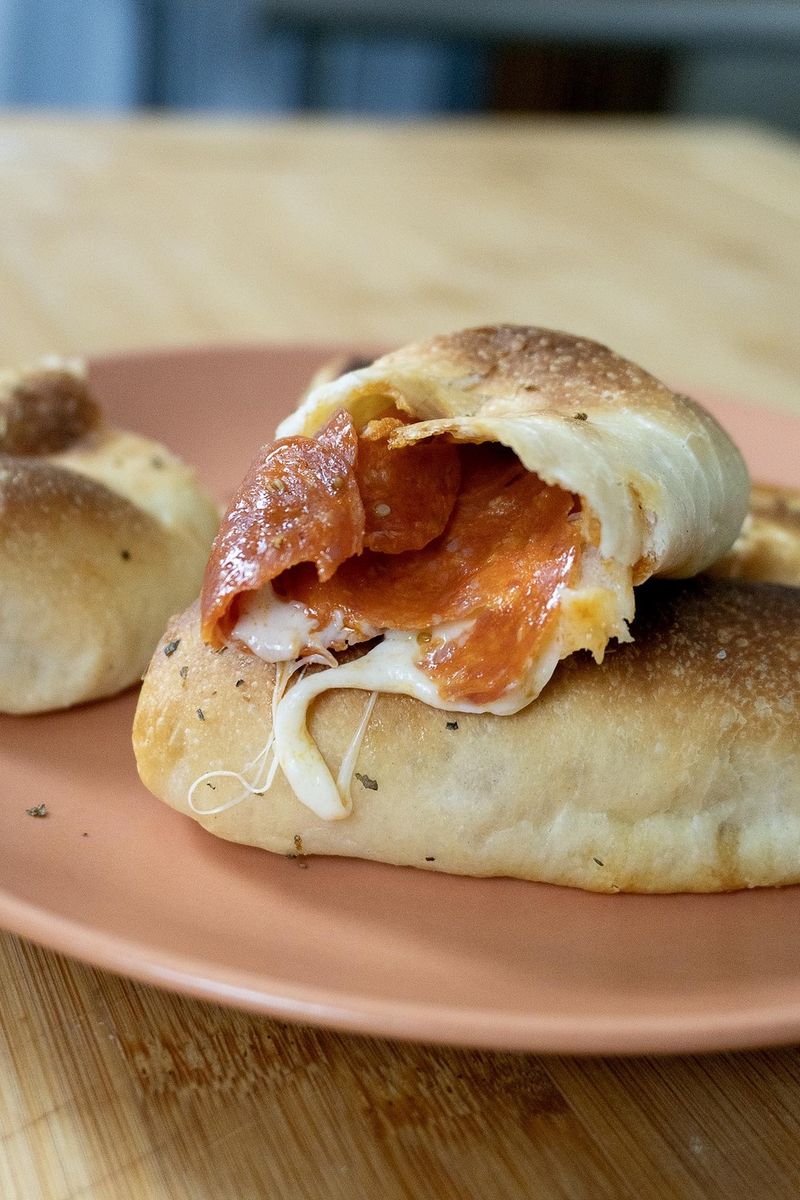
Coal miners needed lunch that would not spoil underground, and a baker in Fairmont had an answer. Giuseppe Argiro is credited with selling pepperoni rolls at his Country Club Bakery in 1927.
Italian immigrant miners helped shape the idea, since they already packed bread and cured meat. Baking the pepperoni inside made it one tidy package.
The pepperoni releases orange oil into the soft roll as it bakes. Some versions add cheese, and the roll is now a gas station and school lunch favorite.
Wisconsin: Fried Cheese Curds in a Basket With Ranch for Dipping
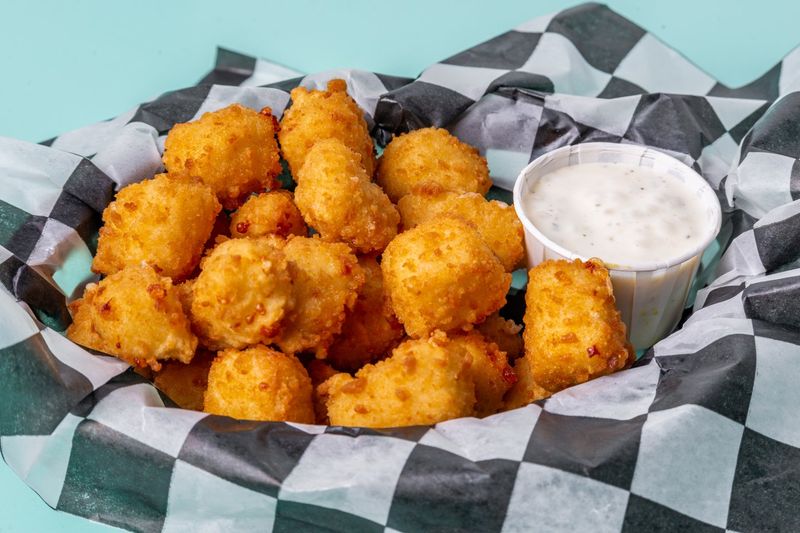
Fresh cheese curds squeak against your teeth, and Wisconsin fans treat that sound as proof of freshness. The state is famous for its cheesemaking.
Curds are small chunks of fresh cheese made before the cheese is pressed and aged. Many dairies sell them straight from the vat.
Battered and deep-fried, they turn golden outside with gooey cheese inside. You will find baskets of them at county fairs and diners, often with ranch or marinara for dipping.
Wyoming: Fry Bread Puffed Golden and Topped With Honey or Taco Fixings
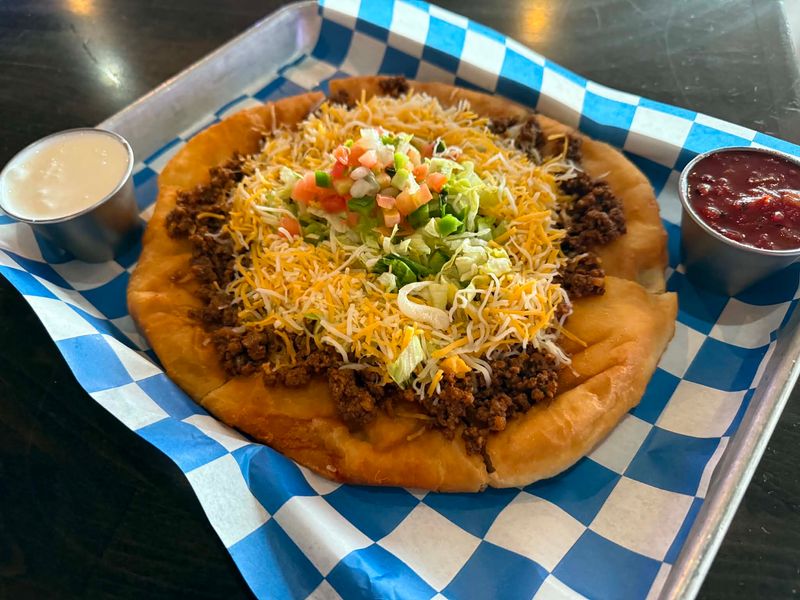
A food born from hardship now shows up at celebrations across the Wind River Reservation. The reservation is home to the Eastern Shoshone and Northern Arapaho tribes.
Many Native historians trace fry bread to the 1860s, when the US government forced tribes onto reservations and issued flour and lard. Cooks turned those rations into something lasting.
The dough puffs up golden in hot oil, crisp outside and soft inside. You might eat it with honey or as an Indian taco, piled with beans, meat, and cheese at a powwow.
Leave a Reply