
Every December, Wisconsin health officials warn people about a party snack made of raw ground beef on rye bread. Yes, a state agency has a seasonal safety message about a holiday appetizer.
I had no idea that was a thing.
That warning hints at a bigger story. America's Christmas tables are full of foods tied to specific places, families, and immigrant communities.
A few even carry official titles, like the cookie New Mexico lawmakers named their state cookie in 1989.
So here's how this list works. Each state gets one food with a documented link to the holiday season, from church suppers to Christmas Eve feasts.
I skipped dishes that are simply popular and looked for real ties to the season.
Expect cookies, stews, seafood, candy, and at least one dish that might raise an eyebrow. Does your state's pick match what lands on your own table?
Alabama: Ambrosia Served Chilled in a Glass Bowl With Oranges and Coconut
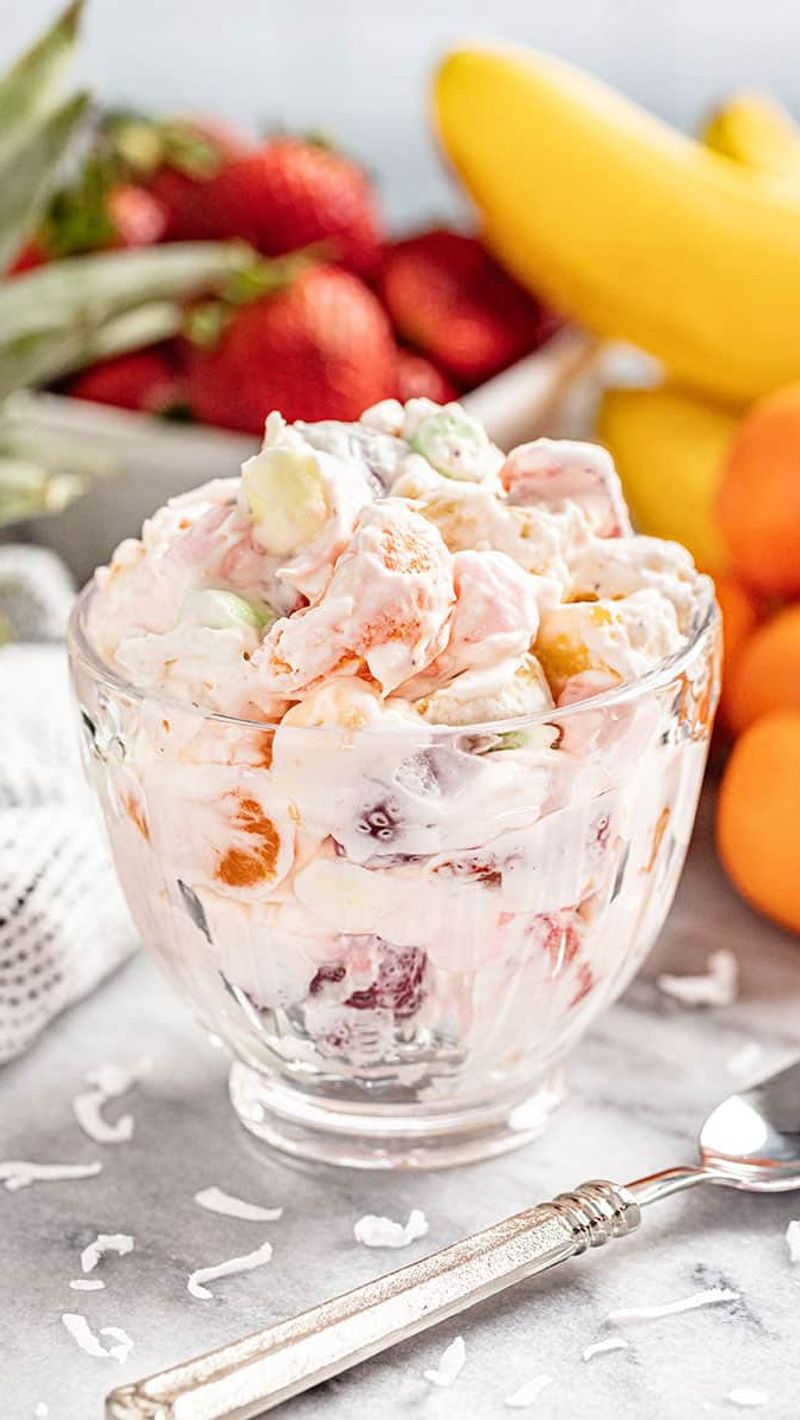
Peeling a mountain of oranges was once a Christmas Eve chore in plenty of Southern kitchens. Ambrosia is the reward, a chilled mix of fresh orange sections and grated coconut.
Food historians trace Southern ambrosia recipes to the late 1800s, when railroads made winter citrus easier to buy. Oranges and coconut felt like luxury items, so the dish became a special-occasion treat in Alabama and across the region.
Many families keep it simple, while others stir in pineapple or pecans. If you try it, use ripe, juicy oranges, because the fruit does almost all the work here.
Alaska: Akutaq Whipped Into a Fluffy Berry-Studded Bowl
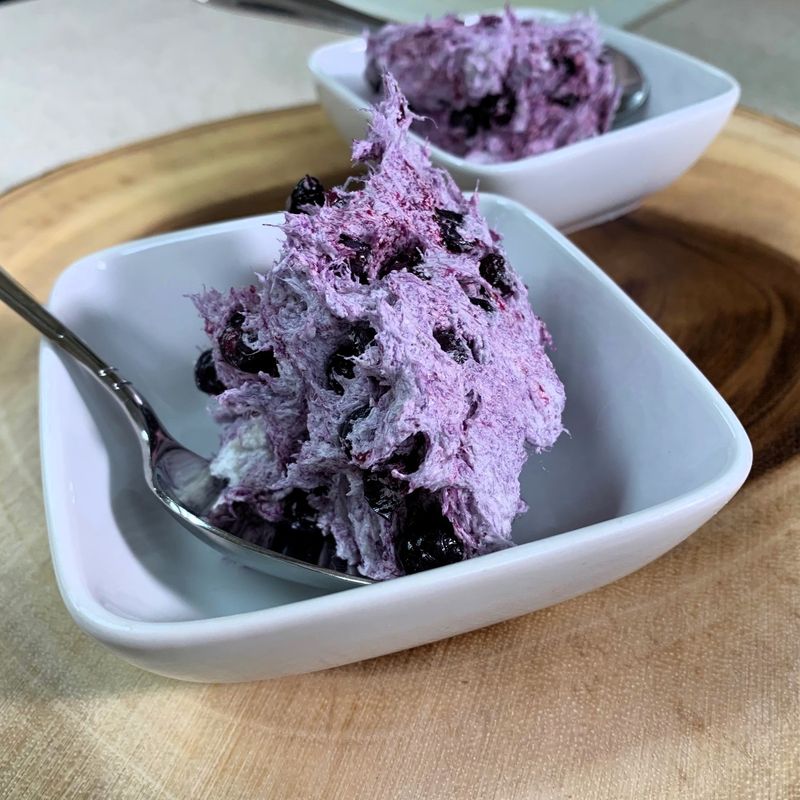
Nicknamed Eskimo ice cream, akutaq is not frozen dessert at all. Yup'ik and other Alaska Native cooks traditionally whip animal fat or shortening with berries, and sometimes fish, into a fluffy mixture.
The name comes from a Yup'ik word meaning something mixed together. Akutaq often appears at village celebrations, potlucks, and holiday gatherings, including Russian Orthodox Christmas events called Slaviq in parts of western Alaska.
Recipes change from family to family and region to region. Salmonberries, blueberries, and cloudberries are common choices, so every bowl tells you a little about where the berries were picked.
Arizona: Buñuelos Fried Crisp and Dusted With Cinnamon Sugar
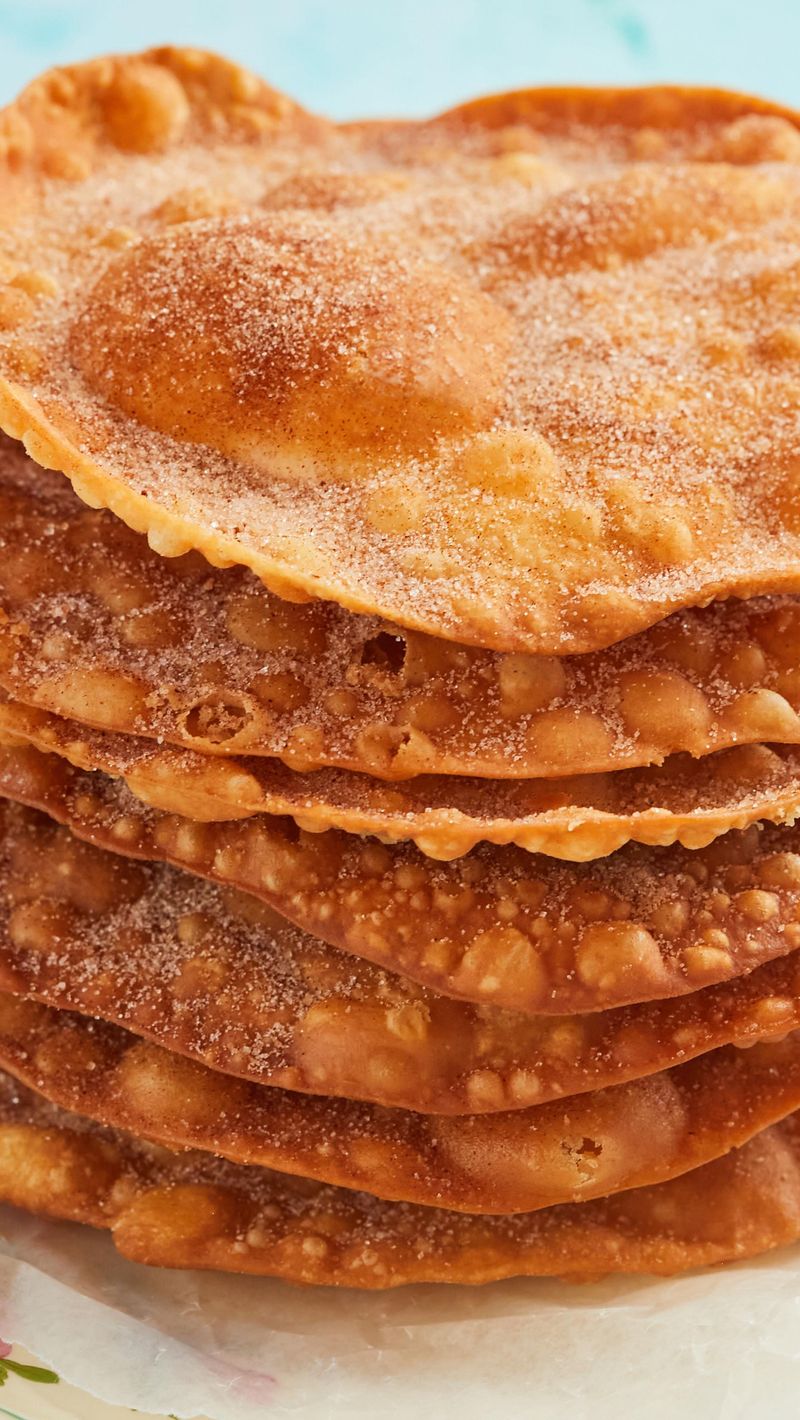
Crunchy, golden, and big as a dinner plate, buñuelos shatter in the best way. These fried dough rounds get a heavy shower of cinnamon sugar, and some cooks drizzle them with piloncillo syrup.
Mexican and Mexican-American families in Arizona often make them for Christmas Eve and New Year's celebrations. Tucson, with deep Sonoran roots, has a long tradition of serving them during the holiday season.
Making them is a team sport, since the dough must be stretched thin before frying. Fair warning: the cinnamon sugar ends up everywhere, including your sleeves.
Arkansas: Chocolate Gravy Ladled Over Hot Buttered Biscuits
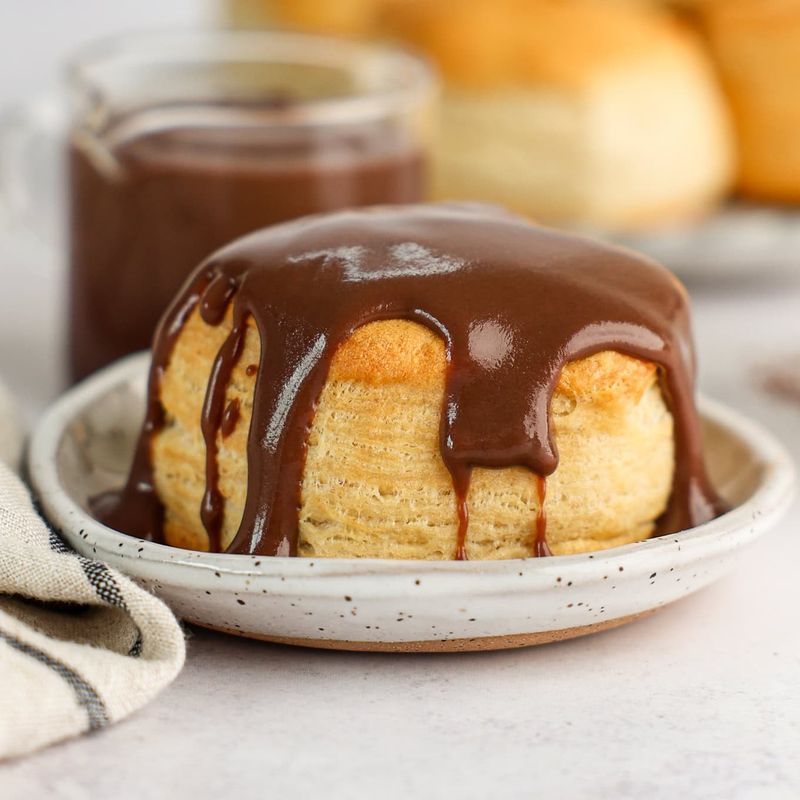
Gravy made of cocoa, sugar, flour, and milk sounds like a kitchen mix-up. In the Ozarks of Arkansas, it is a treasured breakfast poured over split biscuits.
Food writers link the dish to Appalachian and Ozark home cooking, and some historians suggest Mexican chocolate traditions traveled north through trade. Many Arkansas families save it for special mornings, including Christmas breakfast.
The texture lands somewhere between pudding and hot fudge sauce. Pair it with bacon or sausage, and you get a sweet and salty plate that feels made for a holiday morning.
California: Dungeness Crab Piled Whole on a Christmas Eve Platter
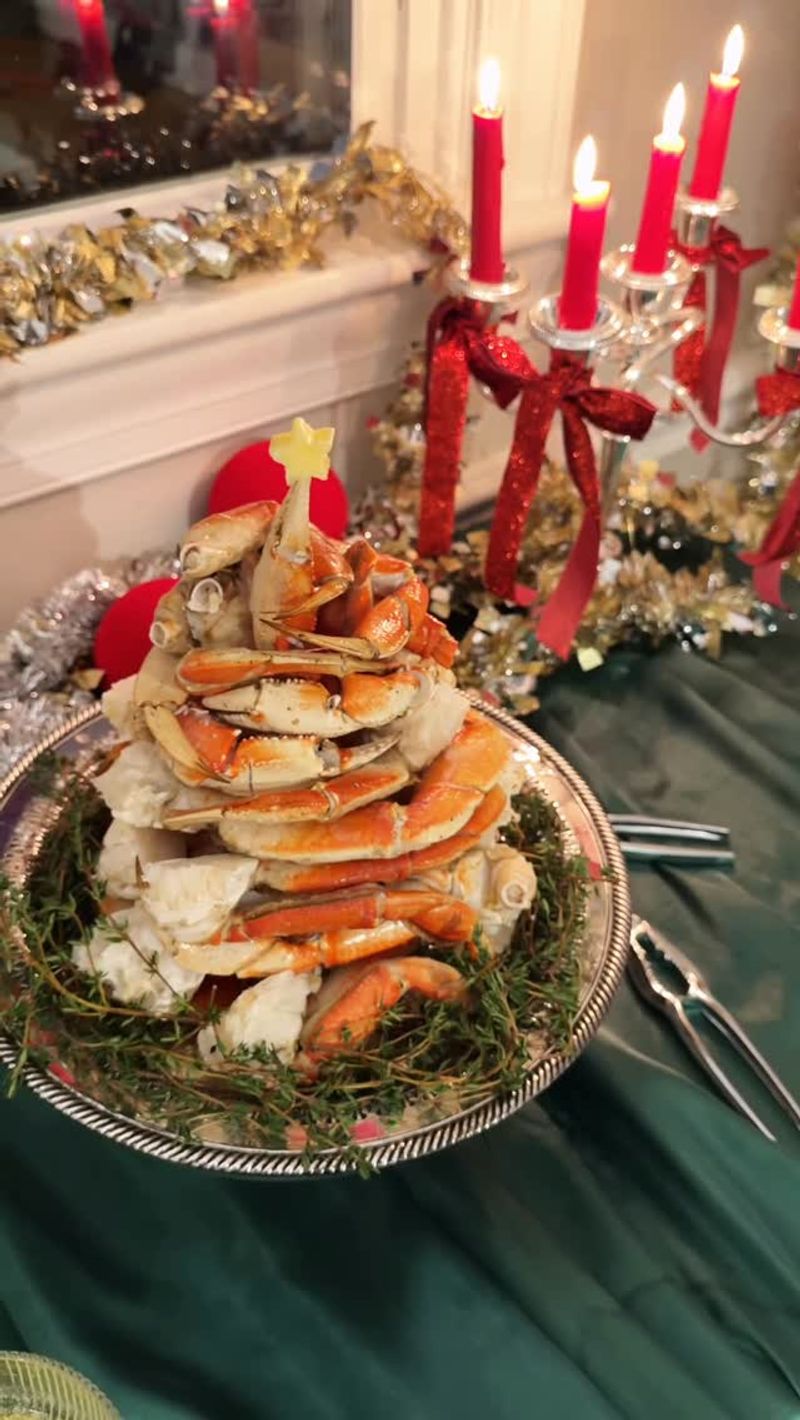
Timing is everything for this one. The commercial Dungeness crab season in Northern California usually opens in November, just in time for holiday dinners.
Around the San Francisco Bay Area, cracked crab has long been a Christmas Eve or Christmas Day tradition for many families. Italian-American fishermen in San Francisco helped build the city's crab culture, and cioppino often joins the feast.
Serve it cold with lemon or warm with melted butter, plus plenty of sourdough. Delayed seasons caused by whale safety rules sometimes push the crab back, which turns holiday plans into a waiting game.
Colorado: Posole Simmered With Hominy and Red Chile in a Deep Bowl
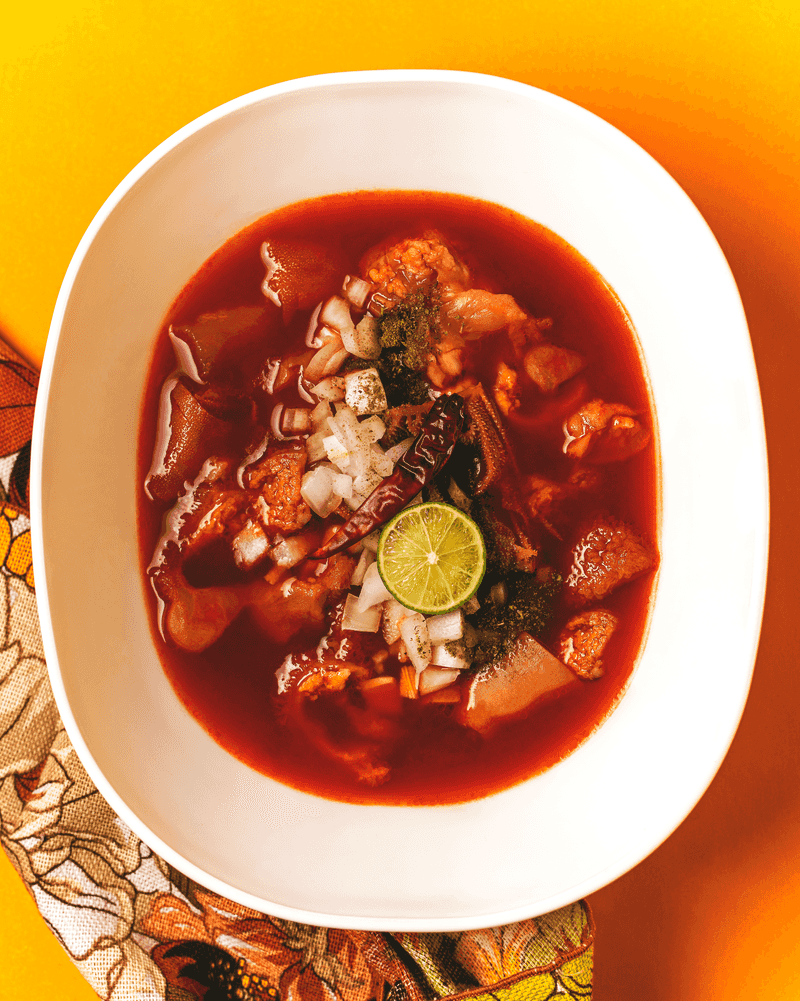
Hominy, those puffy corn kernels treated with lime, gives posole its chewy bite. Cooks simmer it with pork and red or green chile until the broth turns rich and spicy.
Hispano families in southern Colorado and the San Luis Valley share deep roots with northern New Mexico. Posole is a familiar part of their Christmas Eve and New Year's meals.
Toppings make each bowl personal, with oregano, onion, lime, and radishes on the side. A big pot also feeds a crowd easily, which helps when relatives keep showing up through the holidays.
Connecticut: Pierogi Pinched Into Half-Moons for Wigilia Supper
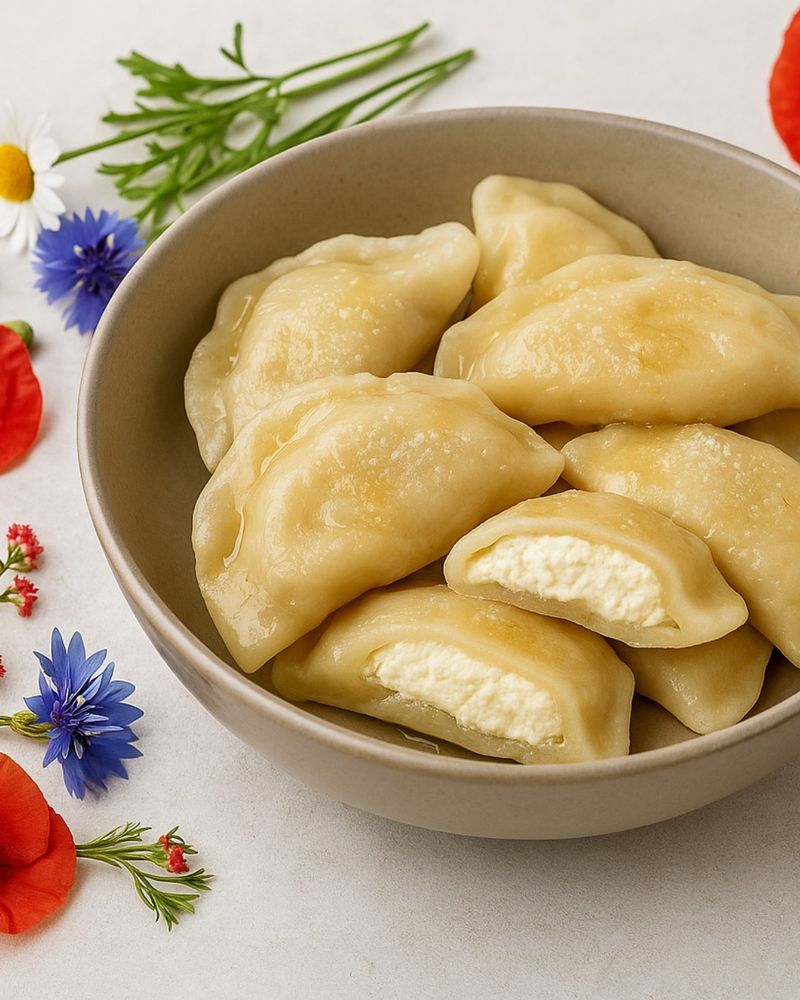
New Britain once earned the nickname Little Poland for its large Polish community. Christmas Eve there often means Wigilia, a meatless supper that traditionally begins when the first star appears.
Pierogi are central to the meal, filled with potato and cheese, sauerkraut, or mushrooms. Local Polish parishes and families have kept the custom going for generations, often making hundreds of dumplings at once.
Many Wigilia tables also set an empty place for an unexpected guest. Pinching the edges well matters, since a loose seam means your filling floats away in the boiling water.
Delaware: Oyster Dressing Baked Golden in a Casserole Dish
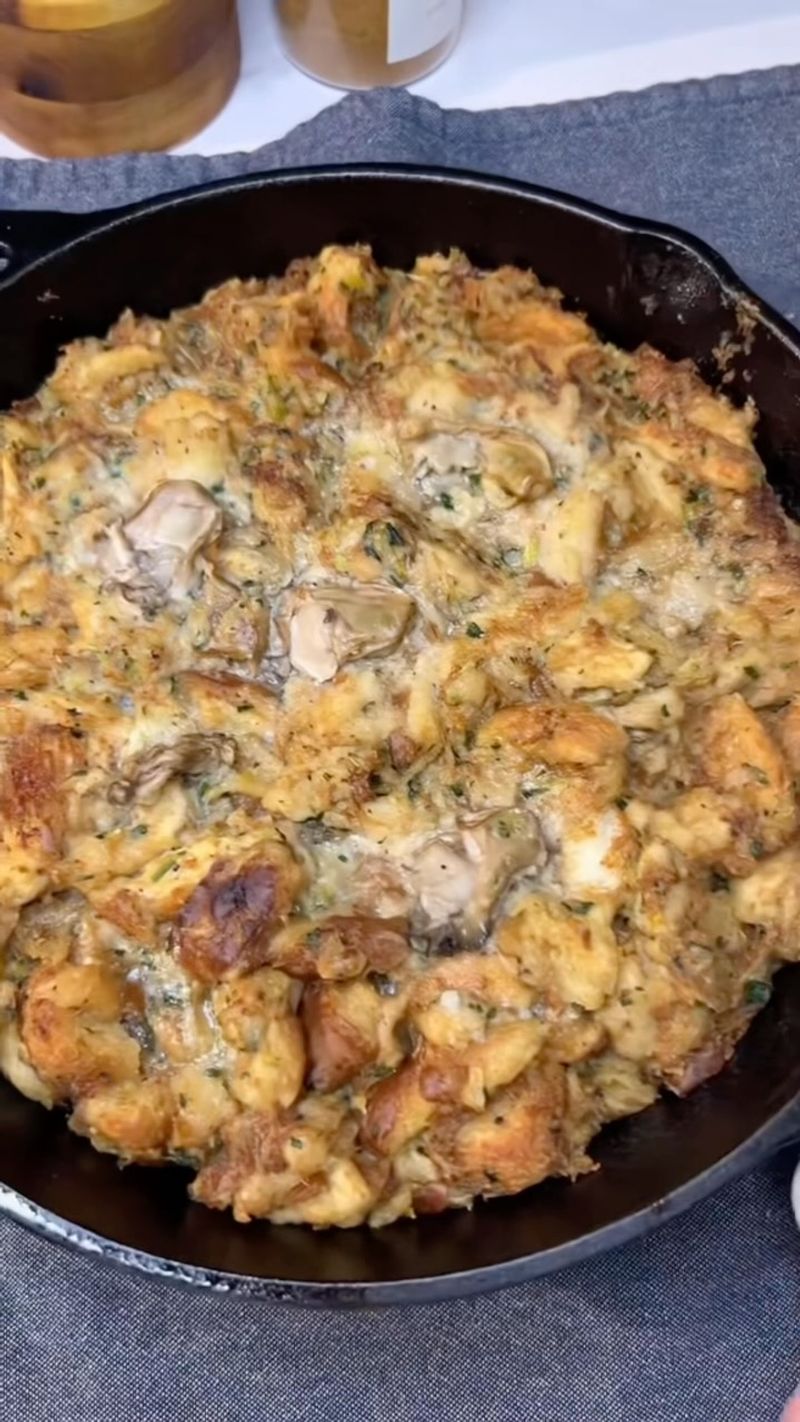
Long before oysters became fancy restaurant food, the Delaware Bay supplied huge harvests of them. Coastal families folded those briny oysters into bread dressing for holiday dinners.
Oyster stuffing shows up in Delmarva Peninsula cookbooks and church recipe collections as a Thanksgiving and Christmas side. It pairs bread, celery, onion, and herbs with chopped oysters and their liquor.
The flavor is savory and lightly salty, not fishy when done right. Bake it until the oysters are fully cooked, which keeps the dish safe and gives the top a crisp edge.
Florida: Lechón Asado Roasted Whole for Nochebuena
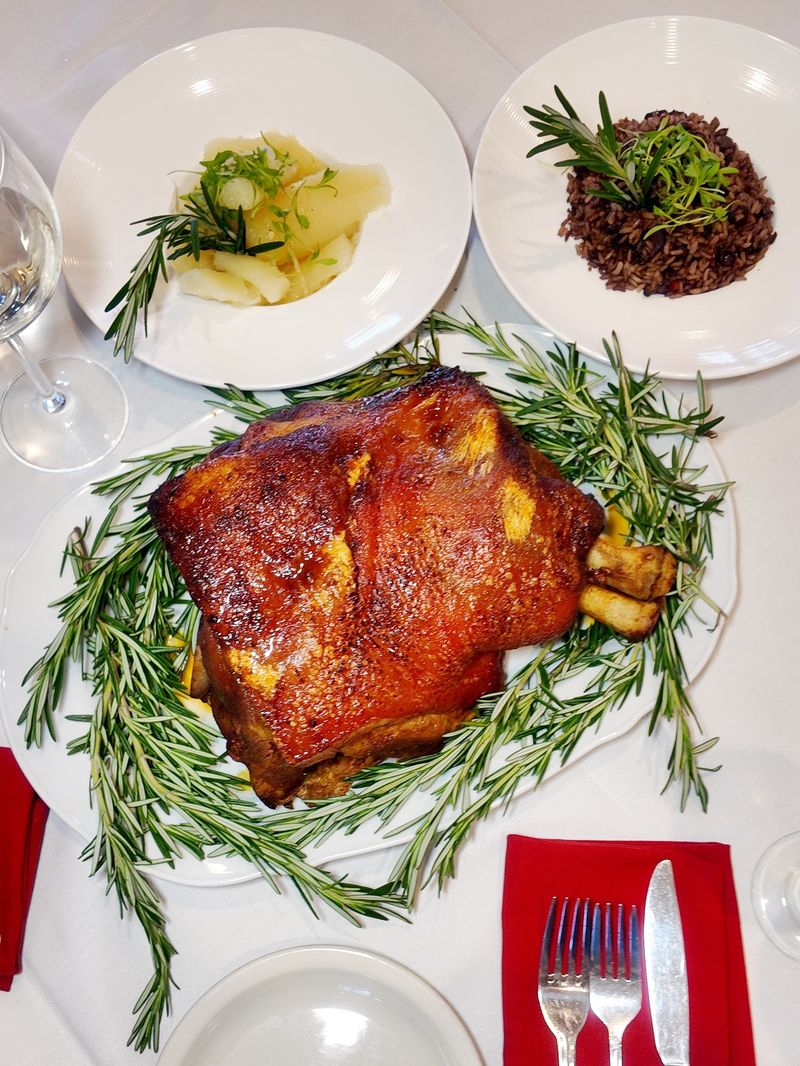
Some Miami backyards hold a roasting box called a caja china every December 24. Inside, a whole pig marinated in sour orange, garlic, and oregano cooks for hours.
Cuban-American families brought Nochebuena, the Christmas Eve feast, to South Florida, and lechón asado sits at its center. Black beans, rice, yuca with mojo, and plantains usually crowd the table too.
Crispy skin is the prize, and relatives may hover nearby for a taste. Smaller households often roast a pork shoulder instead, which captures the same flavors without needing an entire pig.
Georgia: Claxton Fruitcake Loaded With Candied Cherries and Pecans
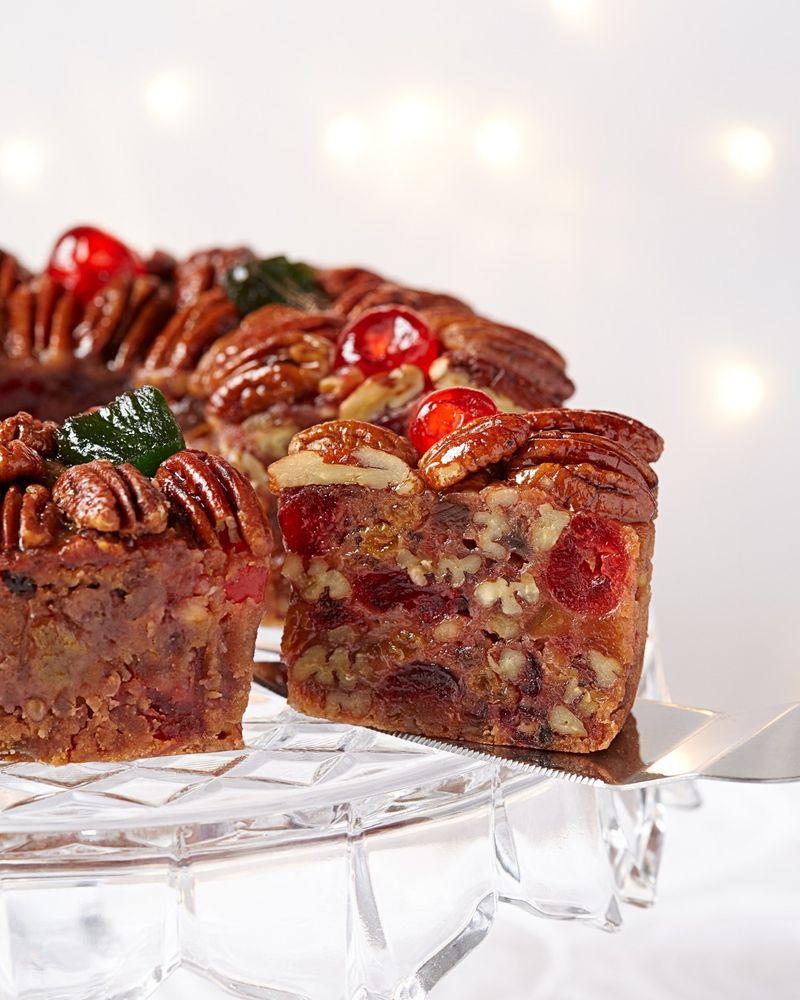
A small town in southeast Georgia calls itself the Fruitcake Capital of the World. Claxton earned that title through its bakeries, which ship huge numbers of fruitcakes each holiday season.
Italian immigrant Savino Tos opened the Claxton Bakery in 1910, and Albert Parker later took it over and expanded the fruitcake business. Civic clubs across the country began selling the cakes as holiday fundraisers.
The recipe leans on candied fruit, raisins, and pecans packed into dense loaves. Love it or tease it, Claxton keeps fruitcake on plenty of American Christmas tables.
Hawaii: Kalua Pig Pulled Smoky From an Underground Imu
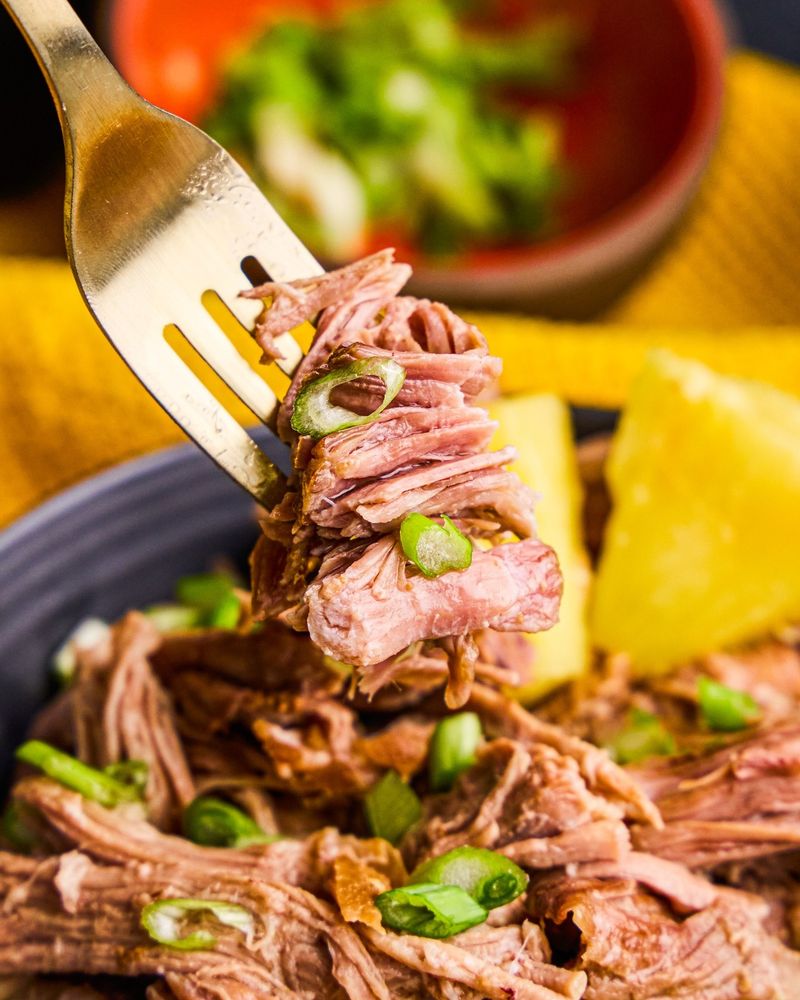
Digging a pit oven for Christmas dinner sounds like serious effort. Hawaiian families have done it for generations, cooking kalua pig in an underground imu lined with hot rocks and banana leaves.
Kalua means to cook in an underground oven, and the method comes from Native Hawaiian tradition. Large holiday gatherings in Hawaii often feature kalua pig alongside poi, lomi salmon, and other luau favorites.
Hours of slow steaming give the pork a tender, smoky texture. Home cooks without an imu often use an oven or slow cooker with Hawaiian sea salt and a little liquid smoke.
Idaho: Mashed Idaho Potatoes Whipped Fluffy in a Buttered Bowl
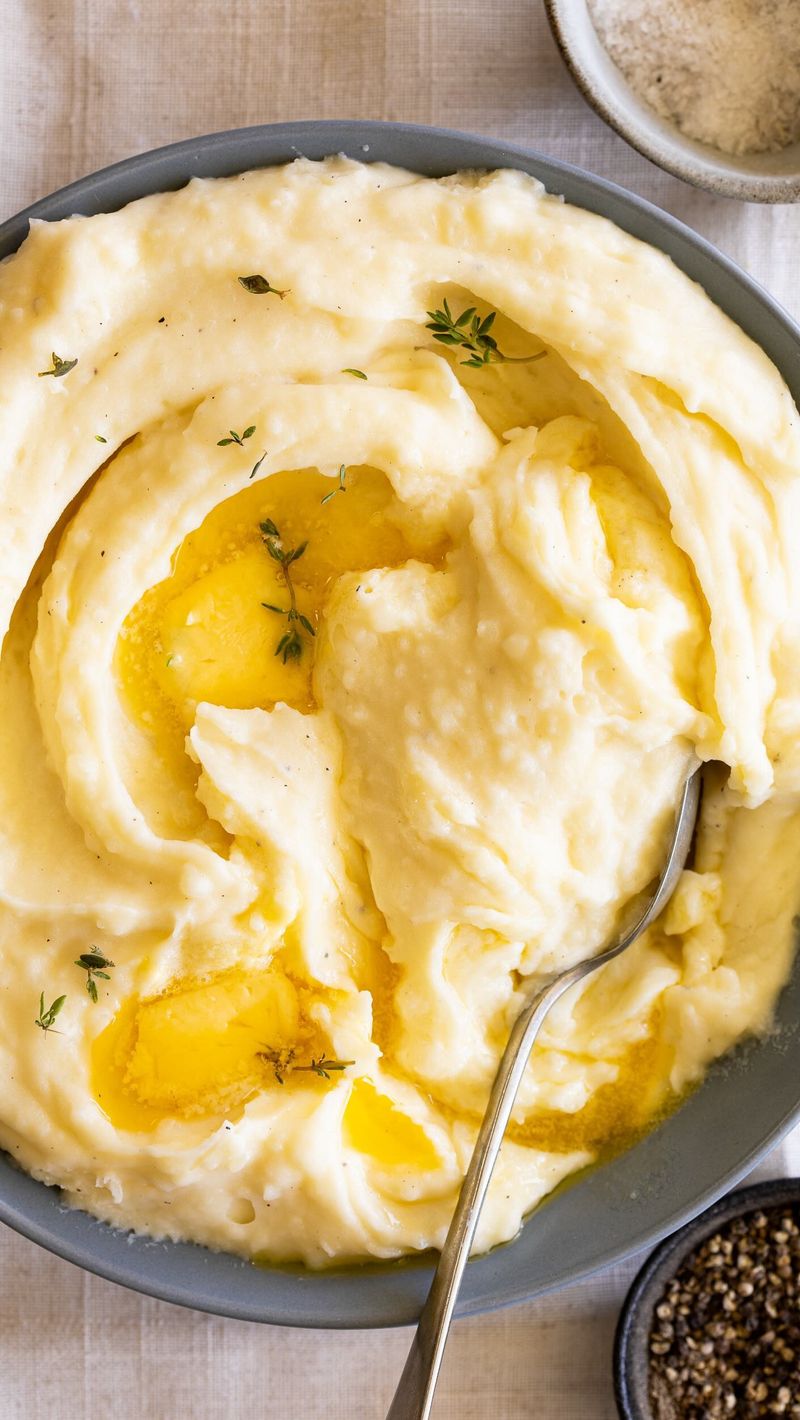
Few states grow potatoes like Idaho, which produces roughly a third of the nation's crop. Russet Burbank potatoes thrive in its volcanic soil and cool nights.
Holiday dinners across the state lean on that harvest, and mashed potatoes are a steady side next to ham or roast beef. The Idaho Potato Commission also promotes holiday potato recipes each winter.
Russets turn fluffy because they are starchy and dry. Warm your milk before adding it, and skip the blender, or you might end up with something closer to glue than a cloud.
Illinois: Kūčiukai Poppy Seed Cookies Soaked in Poppy Milk
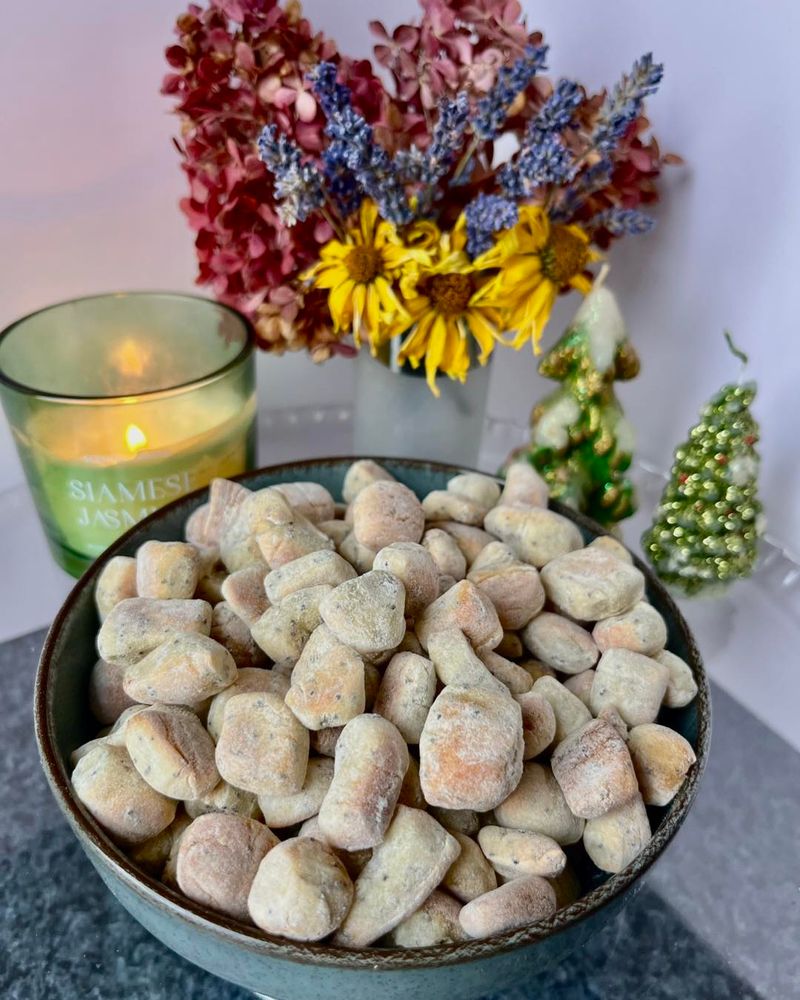
Tiny, crunchy, and about the size of a marble, kūčiukai are small biscuits made for one special night. Lithuanian families serve them at Kūčios, the Christmas Eve supper.
Chicago has long been home to one of the largest Lithuanian communities outside Lithuania. Parishes and bakeries in neighborhoods like Marquette Park helped keep the meatless twelve-dish supper alive.
Cooks often serve the cookies in aguonų pienas, a milky liquid made from ground poppy seeds. The poppy milk softens them slightly, giving you a sweet, nutty spoonful that tastes nothing like a regular cookie.
Indiana: Persimmon Pudding Baked Dark and Spiced in a Square Pan
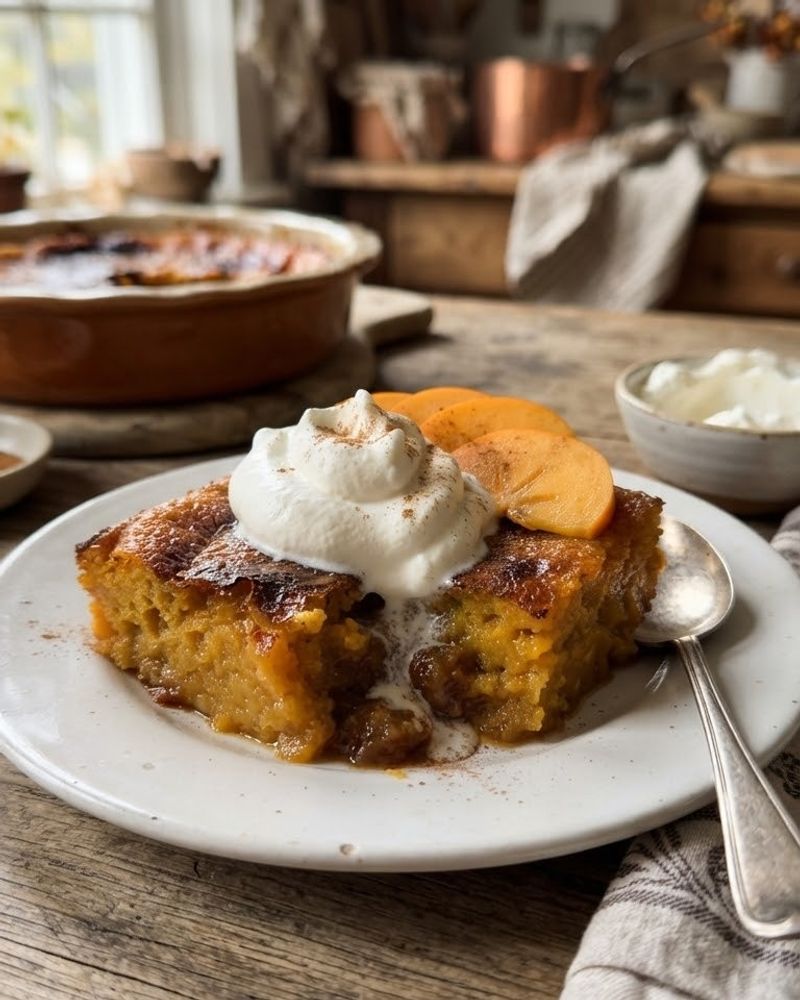
Bite an unripe persimmon and your mouth will pucker for a minute. Wait until the fruit turns soft and mushy, and it becomes the base for one of Indiana's best-known desserts.
Wild American persimmons grow across southern Indiana, and families gather them in fall. Mitchell has held a Persimmon Festival since 1947, and the pudding often returns for Thanksgiving and Christmas.
Despite its name, it bakes up more like a dense, moist cake with cinnamon and nutmeg. A dollop of whipped cream on each square is the classic finishing touch.
Iowa: Dutch Letters Shaped Into Flaky Almond-Filled S Pastries
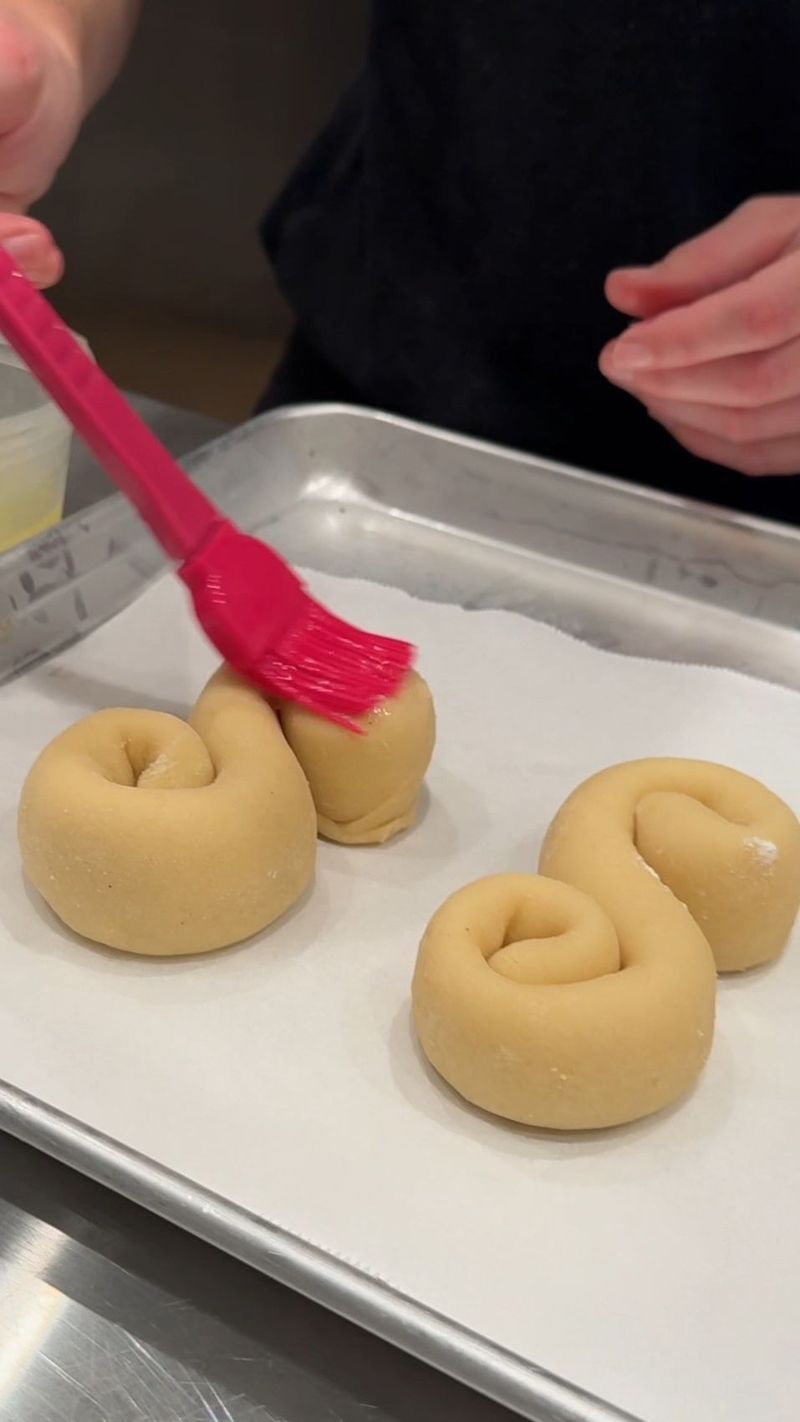
Spelling out a name in pastry was once a holiday custom in the Netherlands. Bakers shaped almond-filled puff pastry into letters, and the S shape eventually became the favorite.
Dutch settlers founded Pella, Iowa, in 1847, and the town still celebrates that heritage. Banketletters, called Dutch letters locally, are a popular holiday gift, especially around Sinterklaas season in early December.
Each pastry wraps a log of sweet almond paste in buttery, flaky dough. A sprinkle of sugar on top gives it crunch, so prepare for crumbs on your shirt.
Kansas: Peppernuts Baked Tiny and Scooped by the Handful
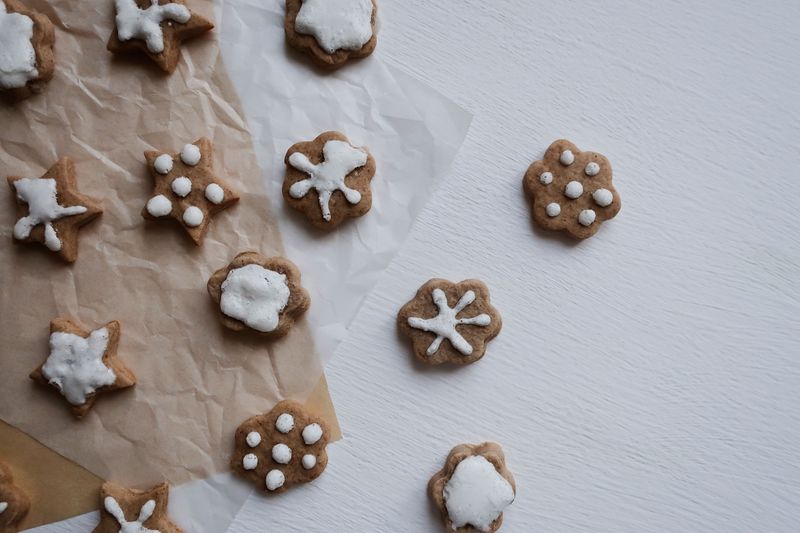
Count them if you dare, because peppernuts are about the size of a hazelnut. Families often bake thousands at once, then scoop them into bowls and tins for weeks.
German Mennonite and Volga German settlers brought the spiced cookie to Kansas in the 1870s. Called pfeffernüsse, they became a Christmas staple in towns like Hillsboro, Newton, and Goessel.
Recipes use spices like anise, cinnamon, and cloves, and some include a pinch of black pepper. Kids often help roll the dough into ropes and cut tiny pieces, which turns baking day into a family project.
Kentucky: Blackberry Jam Cake Layered With Caramel Icing
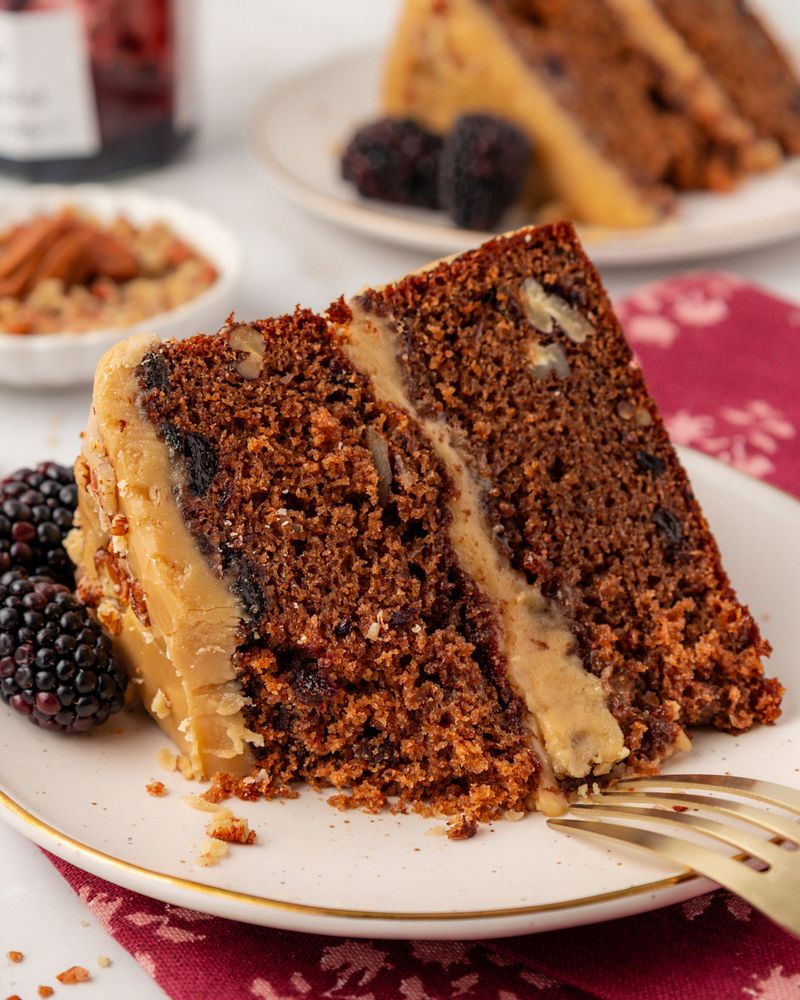
Summer blackberry jam has a second job in Kentucky kitchens. Bakers stir it into spiced cake batter, and the result becomes a dark, moist layer cake for Christmas.
Jam cake appears in Kentucky cookbooks going back to the 1800s, and many families save it strictly for the holidays. Pecans, raisins, and warm spices like allspice and cloves often join the jam.
Caramel icing is the classic topping, thick and sweet. Bakers often make it several days early, since the flavors deepen as the cake rests in a covered tin.
Louisiana: Gumbo Ladled Over Rice in a Dark Roux Bowl
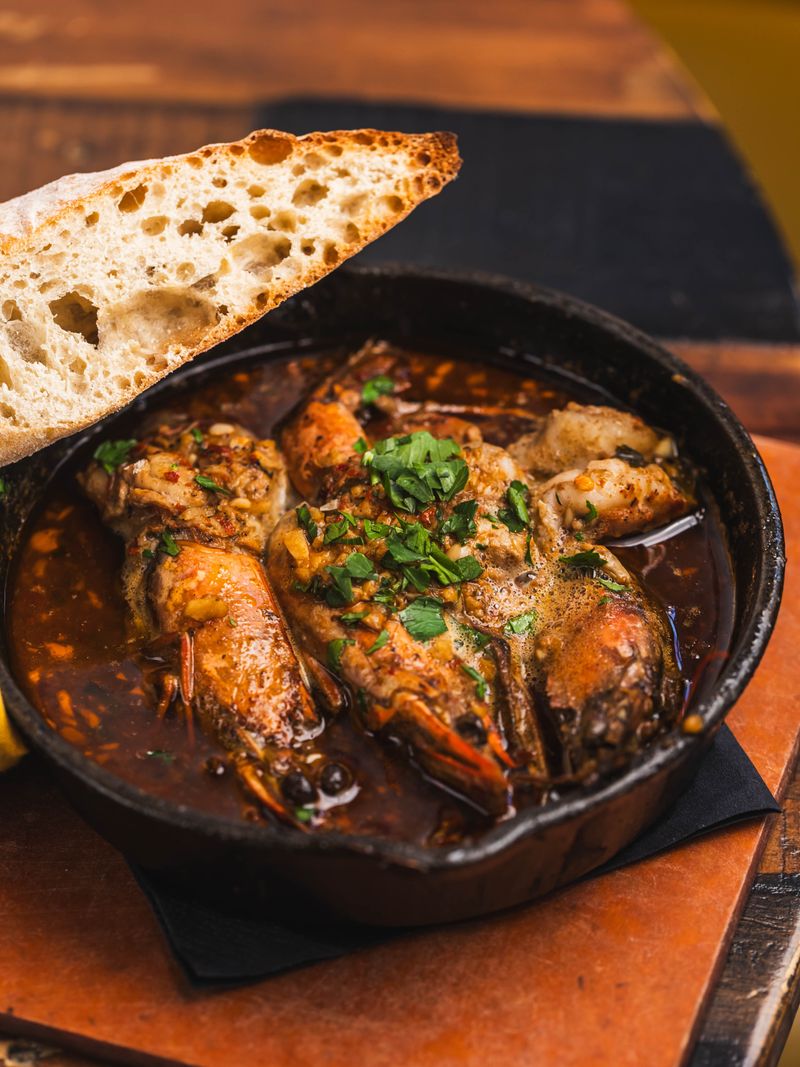
Patience is the main ingredient in a dark roux. Cooks stir flour and fat for a long time until it turns the color of chocolate, building the base of gumbo.
Louisiana lawmakers named gumbo the official state cuisine in 2004. In New Orleans, it often appears at réveillon dinners, a Creole Christmas Eve tradition revived by restaurants in the 1990s.
Families argue happily over tomatoes, okra, and filé powder. Seafood gumbo and chicken and sausage gumbo are both common, and either one tastes even better the next day.
Maine: Tourtière Baked as a Spiced Meat Pie With a Golden Crust
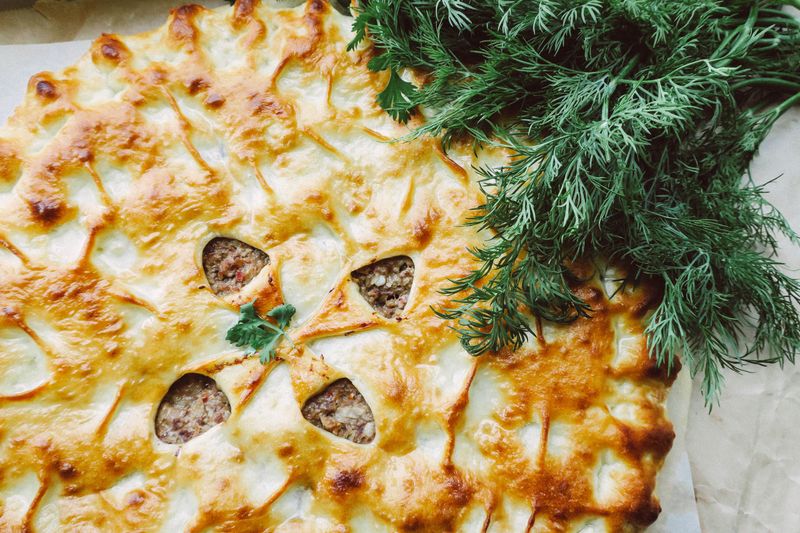
Midnight Mass ended, and dinner began. For French-Canadian families, that late Christmas Eve meal, called réveillon, traditionally featured tourtière.
Franco-American mill workers brought the spiced pork pie to Maine towns like Lewiston and Biddeford in the 1800s. Many families still bake it for Christmas Eve, using recipes passed down from Québec roots.
Cinnamon, cloves, and allspice give the filling a flavor that surprises first-timers. Some cooks add mashed potato to bind the meat, and the debate over that choice gets lively.
Maryland: Sauerkraut Served Beside the Holiday Turkey
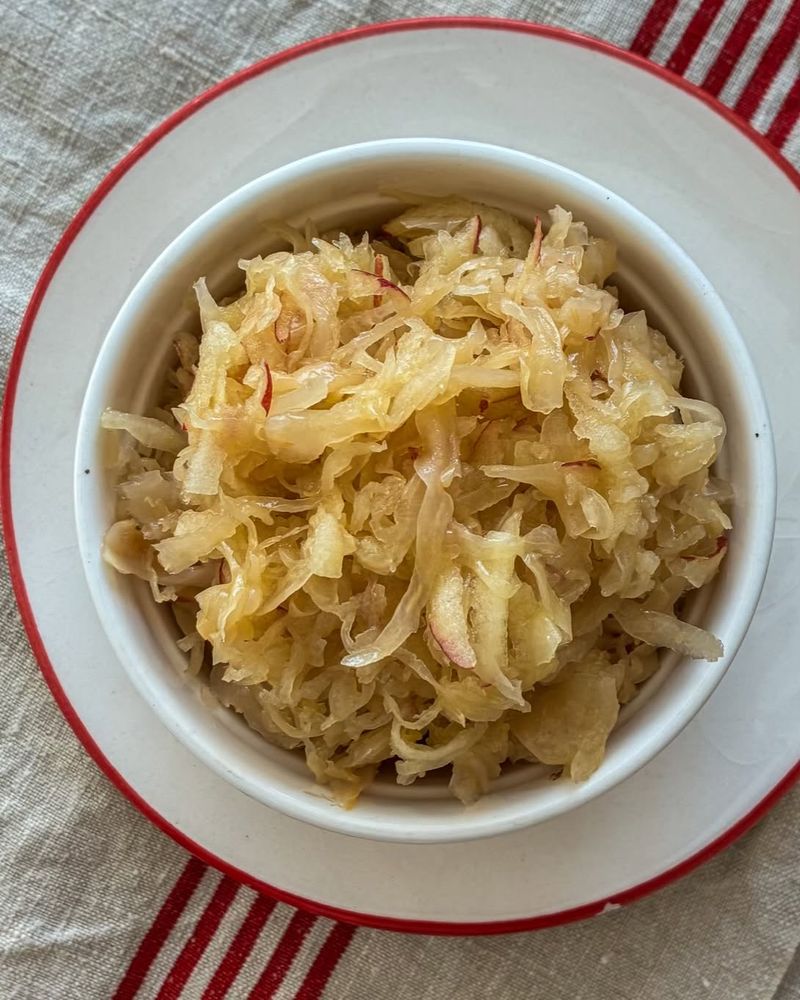
Turkey with sauerkraut sounds like a strange pairing to many visitors. In Baltimore, the combination is a holiday dinner habit for many families.
German immigrants poured into Baltimore during the 1800s and brought sauerkraut with them. Over time, it ended up next to the turkey at Thanksgiving and Christmas, and newspapers have written about the custom for years.
Many cooks simmer it with pork or a bit of the turkey drippings. The tangy flavor cuts through rich gravy and stuffing, which explains why the tradition has stuck around.
Massachusetts: Cranberry Sauce Glistening Ruby Red in a Serving Dish
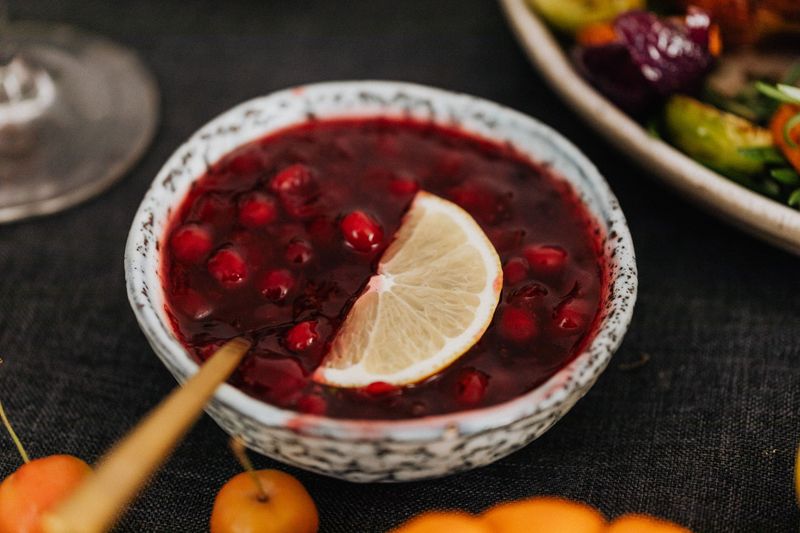
Flooding a field to harvest fruit sounds odd, but cranberries float. Growers in southeastern Massachusetts have used water harvesting for decades.
The state named the cranberry its official berry in 1994. Cape Cod growers helped turn cranberry sauce into a holiday staple, and commercial canned sauce first appeared in 1912.
Homemade sauce takes just berries, sugar, and water. The berries pop as they cook, and some cooks add orange zest for a bright twist that brightens a heavy holiday plate.
Michigan: Joulutorttu Star Tarts Filled With Prune Jam
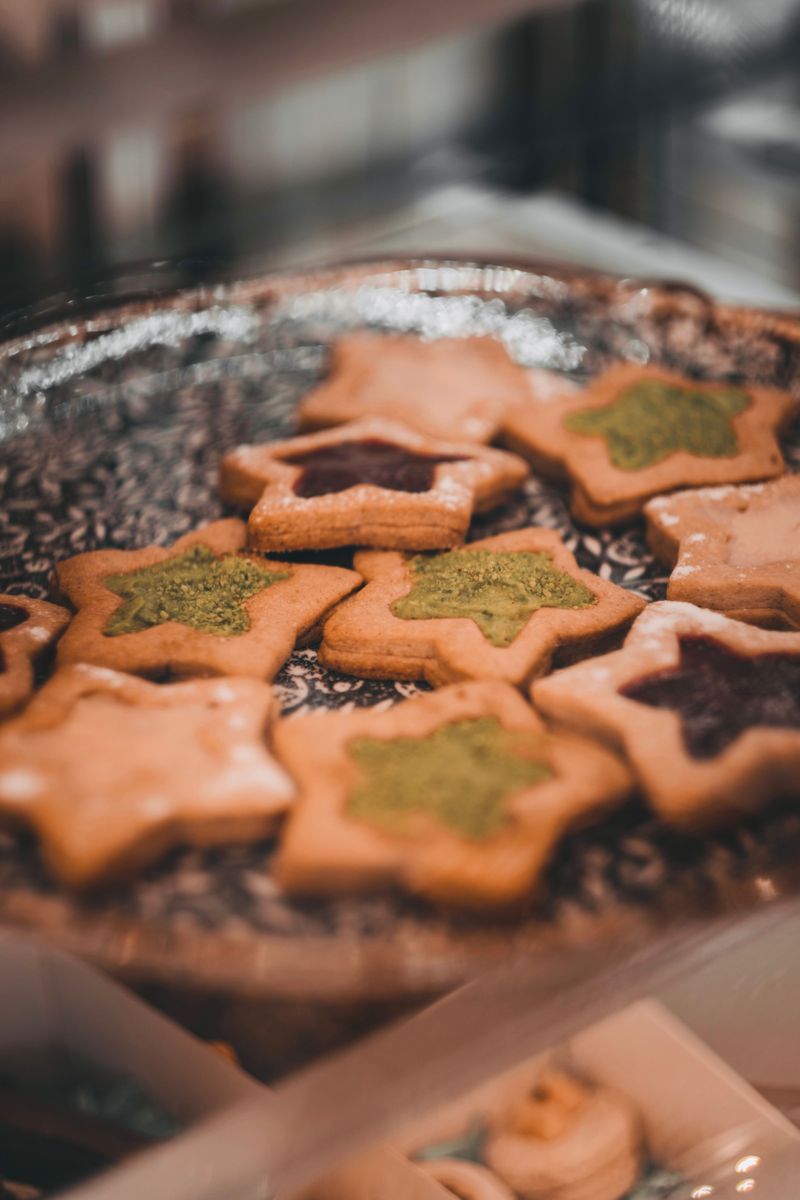
Pinwheel stars with a dark jam center look like cookie-shaped snowflakes. Finnish bakers call them joulutorttu, which means Christmas tart.
Thousands of Finnish immigrants settled in Michigan's Upper Peninsula to work in mines and forests. Their descendants in towns like Hancock still bake joulutorttu for the holidays, keeping the custom alive.
The pastry is cut into squares, slit at the corners, and folded into a star shape. Prune jam is traditional, though some cooks swap in apple or berry fillings.
Minnesota: Lutefisk Served Jiggly With Melted Butter at Church Suppers
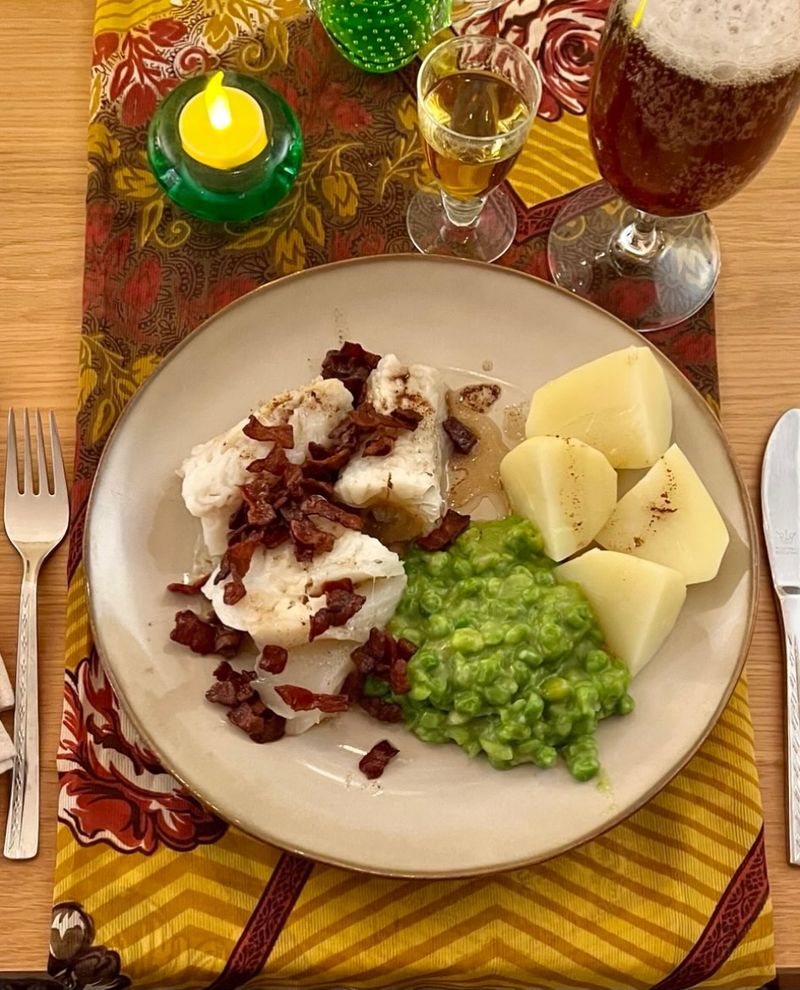
Few foods spark jokes like lutefisk, the gelatin-textured fish. It starts as dried cod, soaked in lye and water, then rinsed and cooked.
Scandinavian immigrants brought the tradition to Minnesota, and Lutheran churches turned it into a popular fall and Christmas supper. Many still host lutefisk dinners each year, often with lefse, potatoes, and meatballs.
Lye is caustic, so modern cooks buy fish already treated and rinsed. Serve it with melted butter or cream sauce, and keep the cooking short to avoid a mushy plate.
Mississippi: Sweet Potato Pie With a Silky Spiced Orange Filling
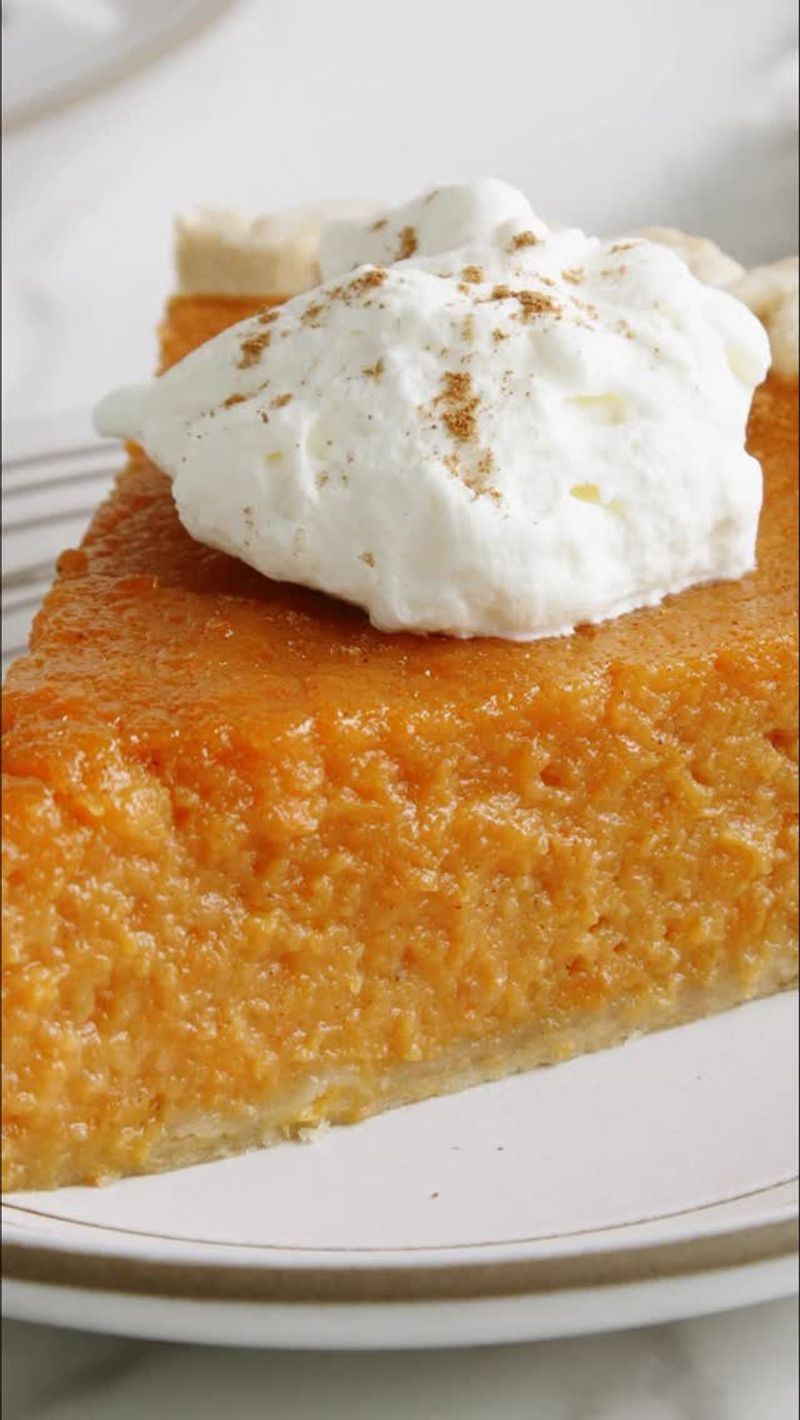
Smooth, bright orange, and fragrant with nutmeg, sweet potato pie has a big following in Mississippi. Families often bake several at once during the holidays.
Food historians connect the pie to Black American cooks in the South, who perfected it over generations. It appears on Christmas and Thanksgiving tables across Mississippi, especially at church and family gatherings.
Roasting the sweet potatoes instead of boiling them deepens the flavor. Some bakers add a splash of evaporated milk for extra creaminess and a smoother slice.
Missouri: Black Walnut Cake Studded With Chopped Nuts and Frosted
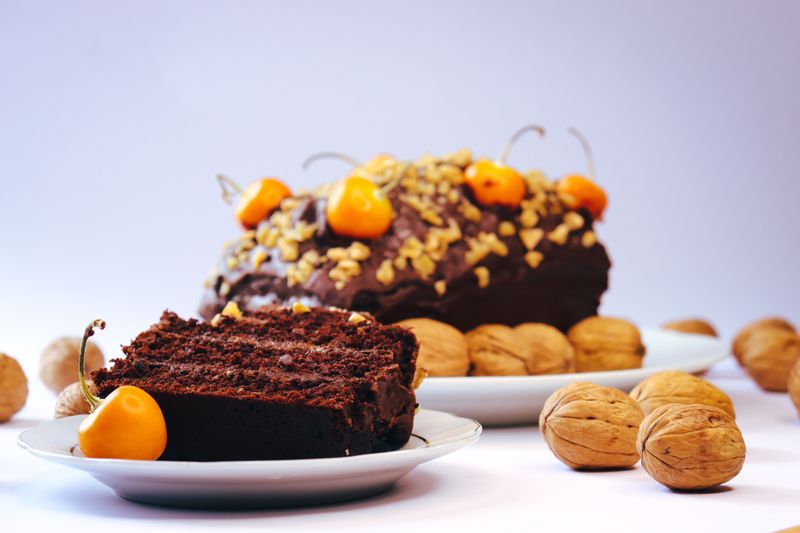
Cracking black walnuts takes muscle and patience, since the shells are famously hard. Missouri harvests more wild black walnuts than any other state.
The black walnut became Missouri's official state tree nut in 1990. Stockton, in the Ozarks, is home to a major processing company and hosts a black walnut festival, and the nuts show up in holiday cakes, fudge, and cookies.
The flavor is bold and earthy, nothing like mild English walnuts. A little goes a long way, so start with a modest handful in your favorite cake batter.
Montana: Huckleberry Pie With a Purple Bubbling Lattice Top
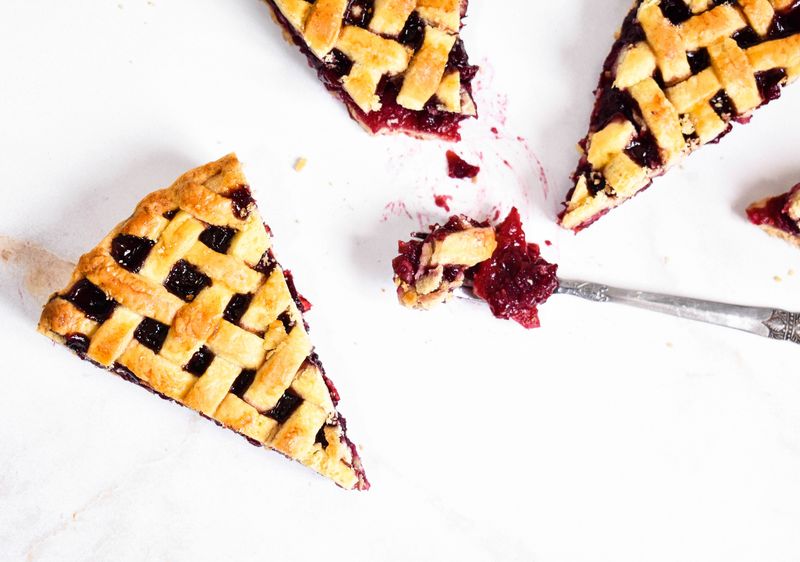
Huckleberries refuse to be farmed easily, so pickers head into the mountains every summer. Montanans freeze their haul and save some for winter holidays.
The wild berry is a beloved symbol of western Montana, and many families bake huckleberry pie for Christmas dinner. Local cookbooks and festivals celebrate the fruit across the state.
The berries taste tart and sweet, like a wild blueberry with extra spark. A lattice top shows off the deep purple filling, and it bubbles up beautifully in the oven.
Nebraska: Kolaches Topped With Fruit Filling and Streusel
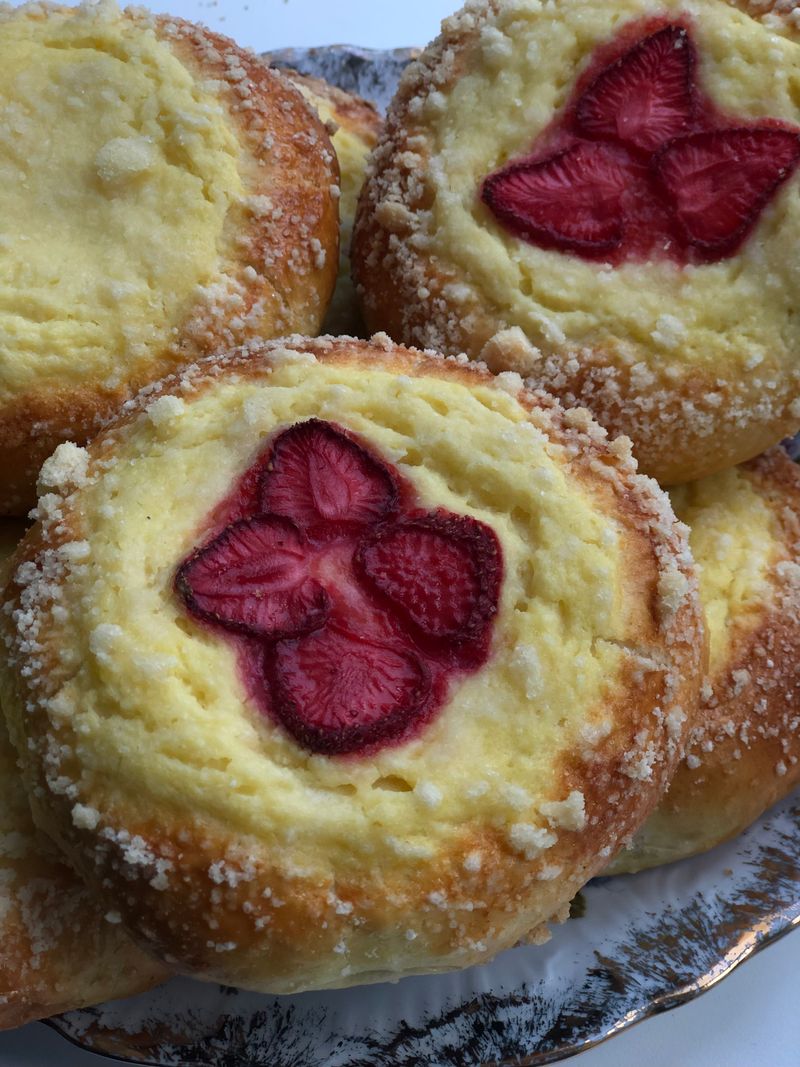
Wilber, Nebraska, calls itself the Czech Capital of the USA. Its bakers have plenty of practice with kolaches, soft yeast buns with fruit or seed fillings.
Czech immigrants arrived in Nebraska in the late 1800s and brought their baking traditions. Kolaches show up at weddings, festivals, and holiday tables, with poppy seed, apricot, and prune among the classic fillings.
Each bun gets a small well pressed into the center for its filling. A sprinkle of crumbly streusel, called posypka, finishes the top before baking.
Nevada: Basque Sheepherder Bread Baked Round in a Dutch Oven
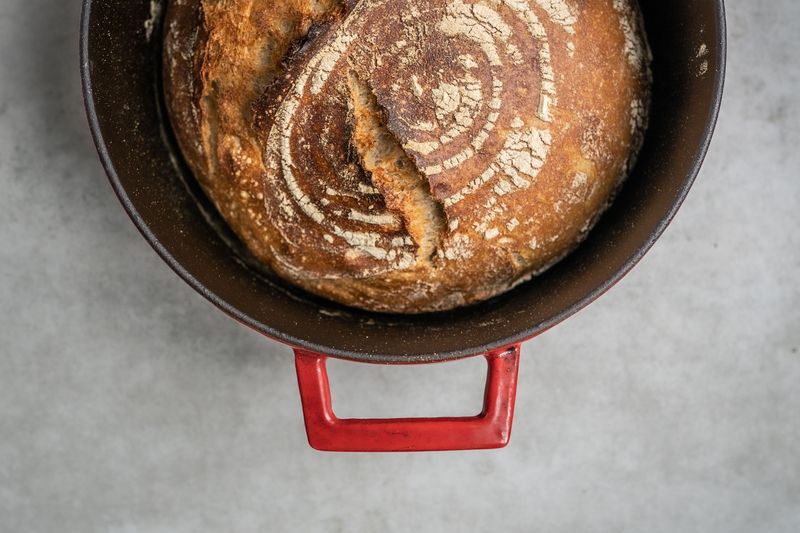
A tall, round loaf rising in a cast iron pot started as a ranch camp necessity. Basque sheepherders in Nevada baked bread in Dutch ovens buried in hot coals.
Basque immigrants arrived in Nevada in large numbers in the late 1800s to tend sheep. Communities in Elko, Reno, and Winnemucca still share family-style meals where sheepherder bread fills the table at celebrations.
Many families make the bread for holiday gatherings. Some bakers carve a cross on top before baking, a Basque custom honoring a blessing.
New Hampshire: Maple Sugar Candy Molded Into Leaf Shapes
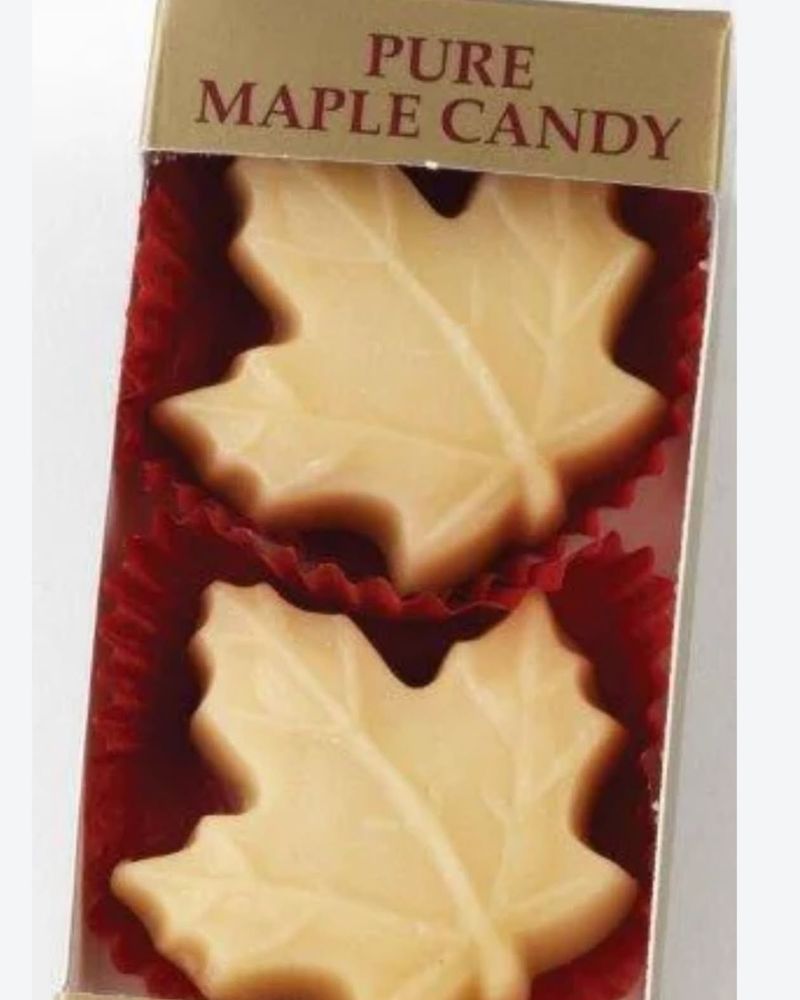
Boiling forty gallons of sap down to one gallon of syrup is serious work. New Hampshire sugar makers go even further, cooking syrup into crumbly maple sugar candy.
The candy is often poured into rubber molds shaped like maple leaves. Sugarhouses and families across the state package them as holiday gifts and stocking stuffers.
Each piece melts quickly on your tongue, leaving a pure maple flavor. The only ingredient is maple syrup, which keeps the recipe simple but tricky to master.
New Jersey: Struffoli Piled Into a Honey-Glazed Tower With Sprinkles
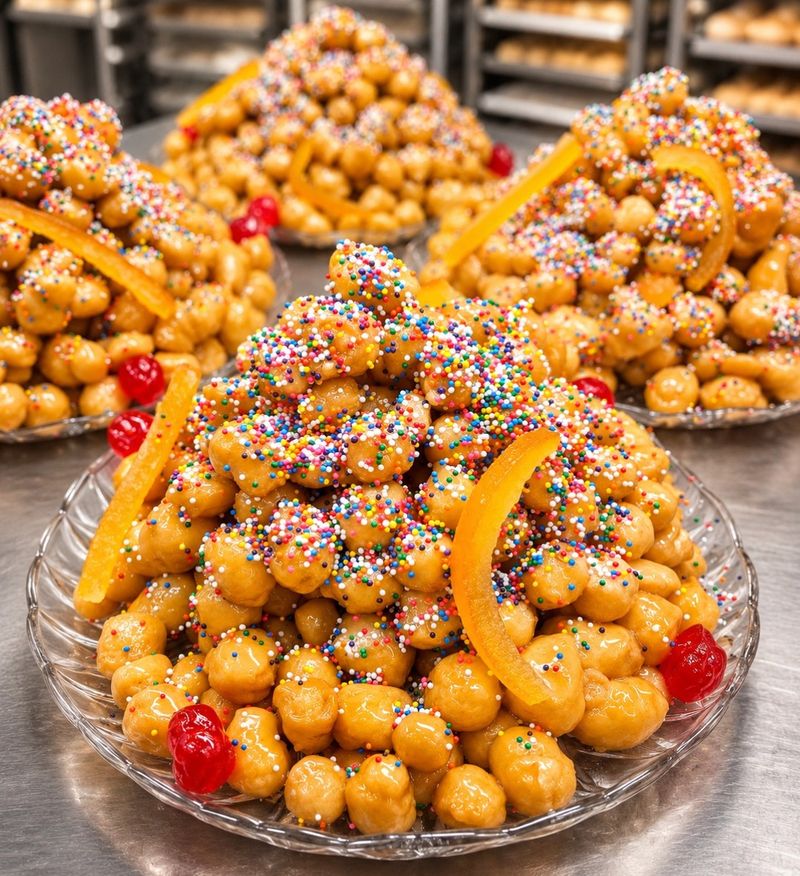
Hundreds of tiny fried dough balls get rolled in warm honey, then shaped into a mound or ring. Rainbow sprinkles make the whole thing look ready for a party.
Struffoli comes from Naples, and Italian-American families in New Jersey often serve it at Christmas. Bakeries and home cooks across the state prepare it during the holiday season.
Pulling the sticky pieces apart is half the fun. A pair of tongs helps, but most people simply use their fingers and accept the mess.
New Mexico: Biscochitos Dusted With Cinnamon Sugar and Anise
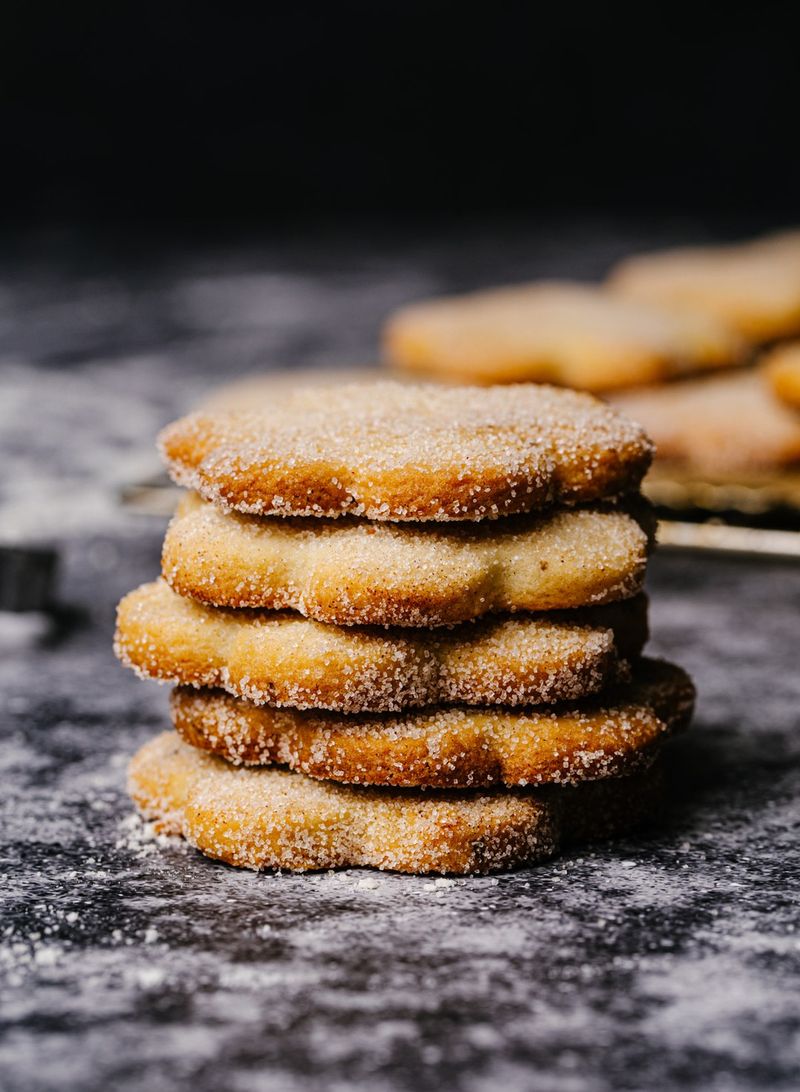
Lawmakers in New Mexico made the biscochito the official state cookie in 1989. That made it one of the first official state cookies in the country.
The recipe traces to Spanish colonial baking, and families still make the cookies for Christmas, weddings, and celebrations. Anise seed and cinnamon sugar give them their signature flavor.
Traditional recipes use lard for a crumbly texture. Many bakers cut them into stars or the fleur-de-lis shape, a nod to old family patterns.
New York: Rainbow Cookies Stacked in Red, White, and Green Layers
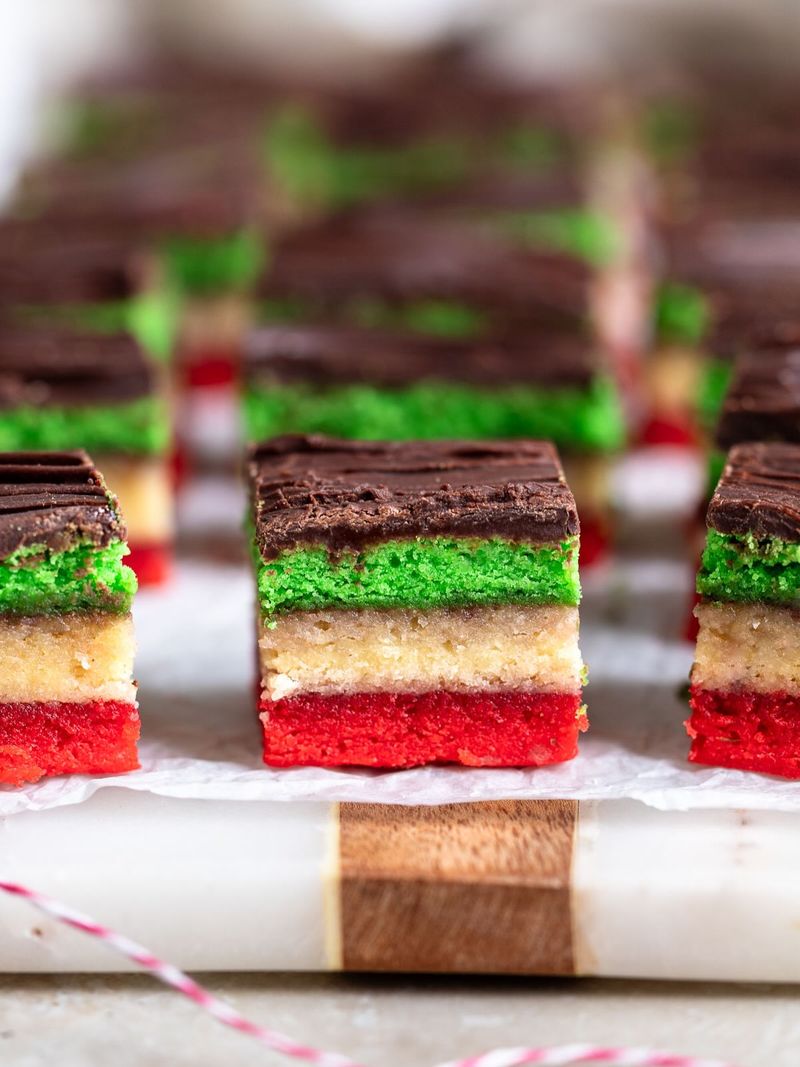
Three colors, three thin layers, and a chocolate coating make rainbow cookies stand out on any tray. Many people call them tricolor or seven-layer cookies.
Italian-American bakers in New York City popularized them, using colors inspired by the Italian flag. They became a fixture on holiday cookie platters across the city.
The almond paste in each layer gives them a dense, moist texture. Bakers stack the layers with jam, press them overnight, and then cut them into neat little rectangles.
North Carolina: Moravian Spice Cookies Rolled Paper-Thin
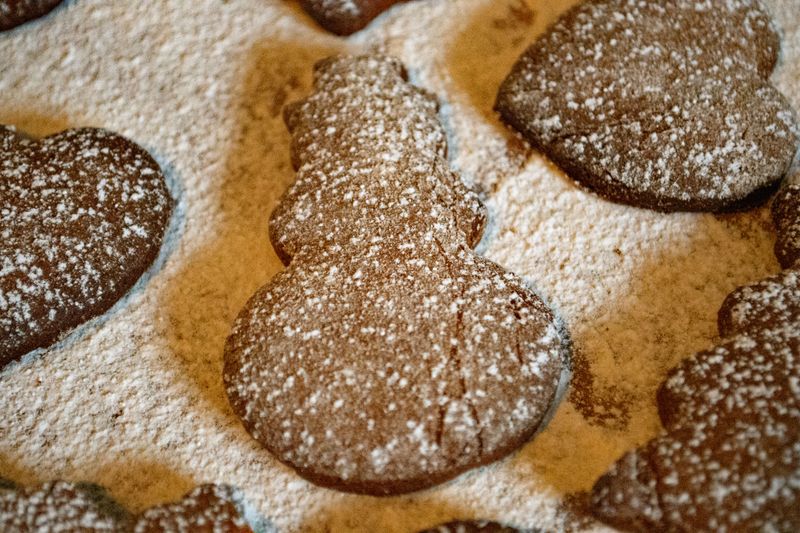
Rolled thinner than you might think possible, Moravian spice cookies are almost see-through. Bakers in Winston-Salem take pride in that delicate crunch.
Moravian settlers founded Salem in 1766, and their Christmas traditions included molasses spice cookies. Today, Old Salem and local bakers keep the custom alive every holiday season.
Ginger, cloves, and cinnamon give the cookies a strong spicy flavor. They also stay fresh for weeks in a tin, which makes them popular holiday gifts.
North Dakota: Lefse Rolled Thin and Spread With Butter and Sugar
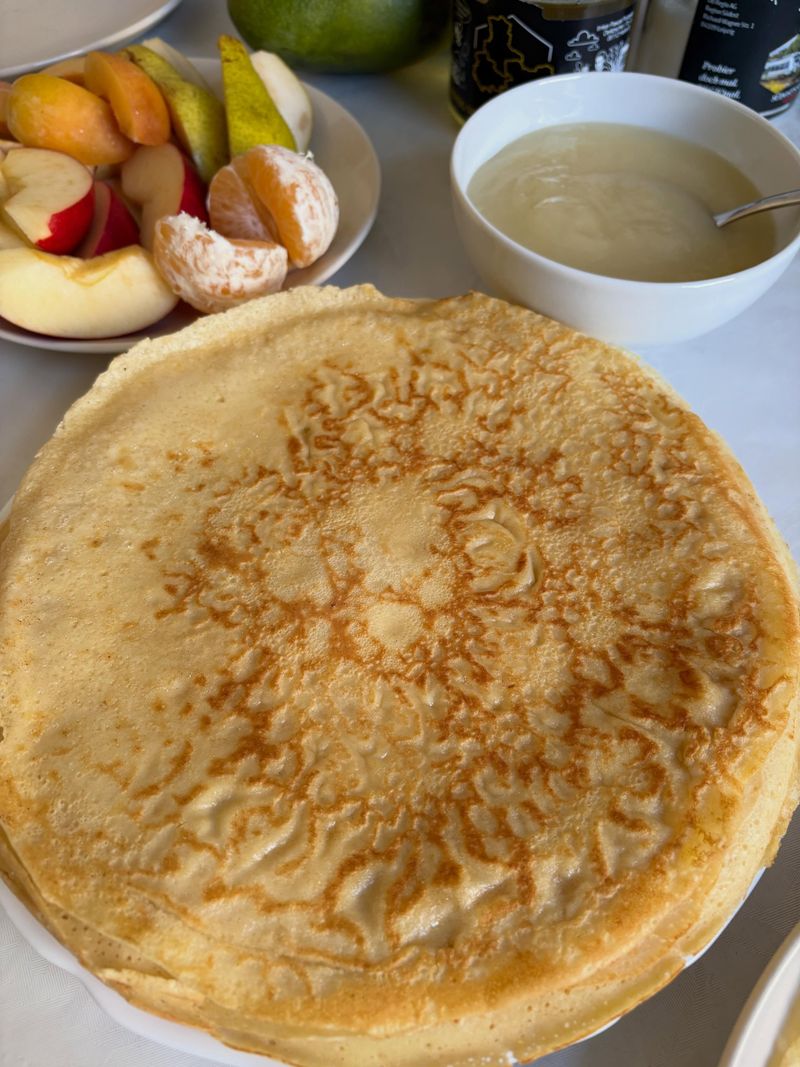
Flat, soft, and thin as paper, lefse looks like a tortilla made of potatoes. Norwegian-American families in North Dakota roll it out on special boards before cooking it on griddles.
Norwegian immigrants settled heavily in North Dakota in the late 1800s, and lefse became a holiday staple. Many families gather to make it together in the weeks before Christmas.
Spread with butter and sugar, then rolled up, it makes a simple treat. A long wooden stick helps flip each round without tearing it.
Ohio: Buckeye Candies Dipped in Chocolate With a Peanut Butter Eye
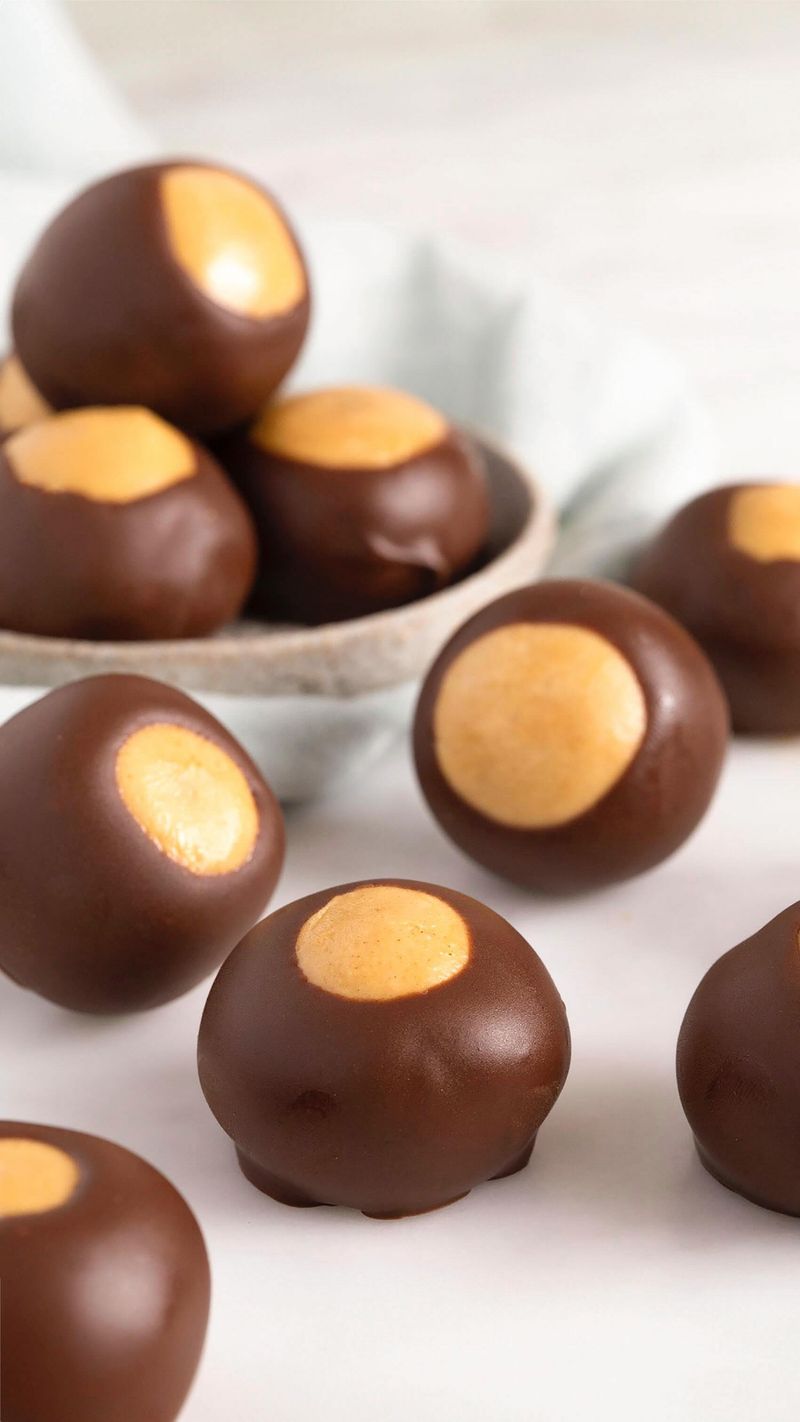
Dip a peanut butter ball in chocolate but leave a small circle bare. The result looks just like a nut from Ohio's state tree, the buckeye.
The buckeye became the state tree in 1953, and the candy version is a holiday favorite on cookie trays. Ohio State University's nickname adds to its popularity.
A toothpick makes dipping easier, and the hole can be smoothed out afterward. Chill the peanut butter balls before dipping to keep them neat.
Oklahoma: Pecan Pie With a Glossy Toasted Nut Top
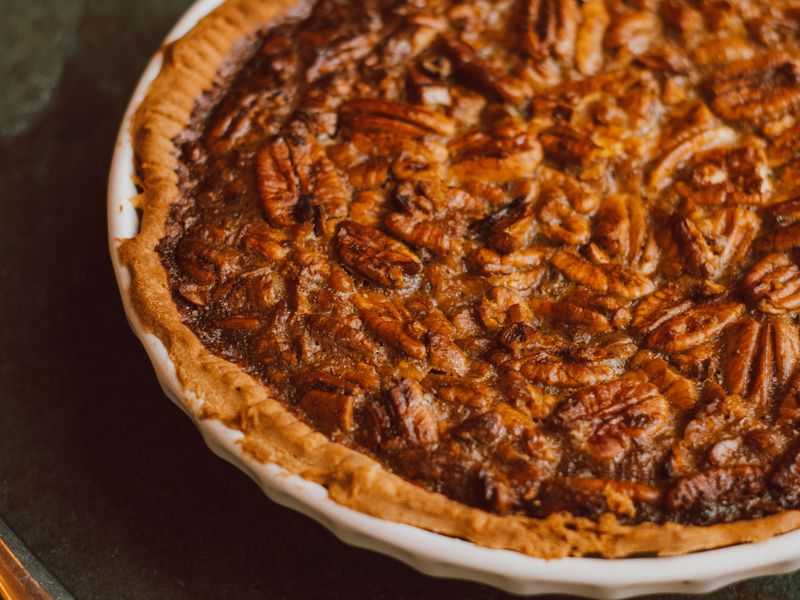
Oklahoma lawmakers named an entire official state meal in 1988. Pecan pie made the list, alongside fried okra, barbecue pork, and chicken-fried steak.
Pecan trees grow wild across the state, and Oklahoma ranks among the nation's top pecan producers. The pie shows up often on holiday tables during Thanksgiving and Christmas.
The filling combines eggs, sugar, and syrup into a gooey custard. Arranging the pecan halves in neat circles takes a little time but looks impressive.
Oregon: Comice Pears Packed in Golden Holiday Gift Boxes
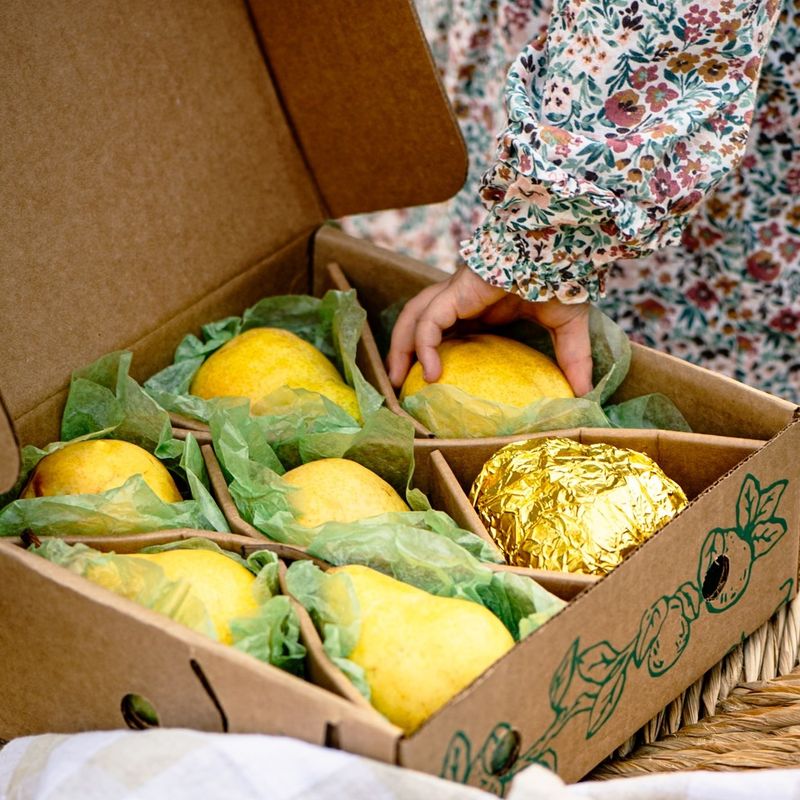
Mailing fruit across the country as a Christmas present sounds old-fashioned. In Oregon's Rogue Valley, it built a famous holiday tradition.
Harry and David Rosenberg, brothers in Medford, began shipping Comice pears as gifts in the 1930s under the name Royal Riviera. The pear became Oregon's official state fruit in 2005.
Comice pears are buttery and juicy, often eaten with cheese. Let them ripen at room temperature until the neck yields to gentle pressure.
Pennsylvania: Sand Tarts Cut Thin and Topped With a Pecan Half
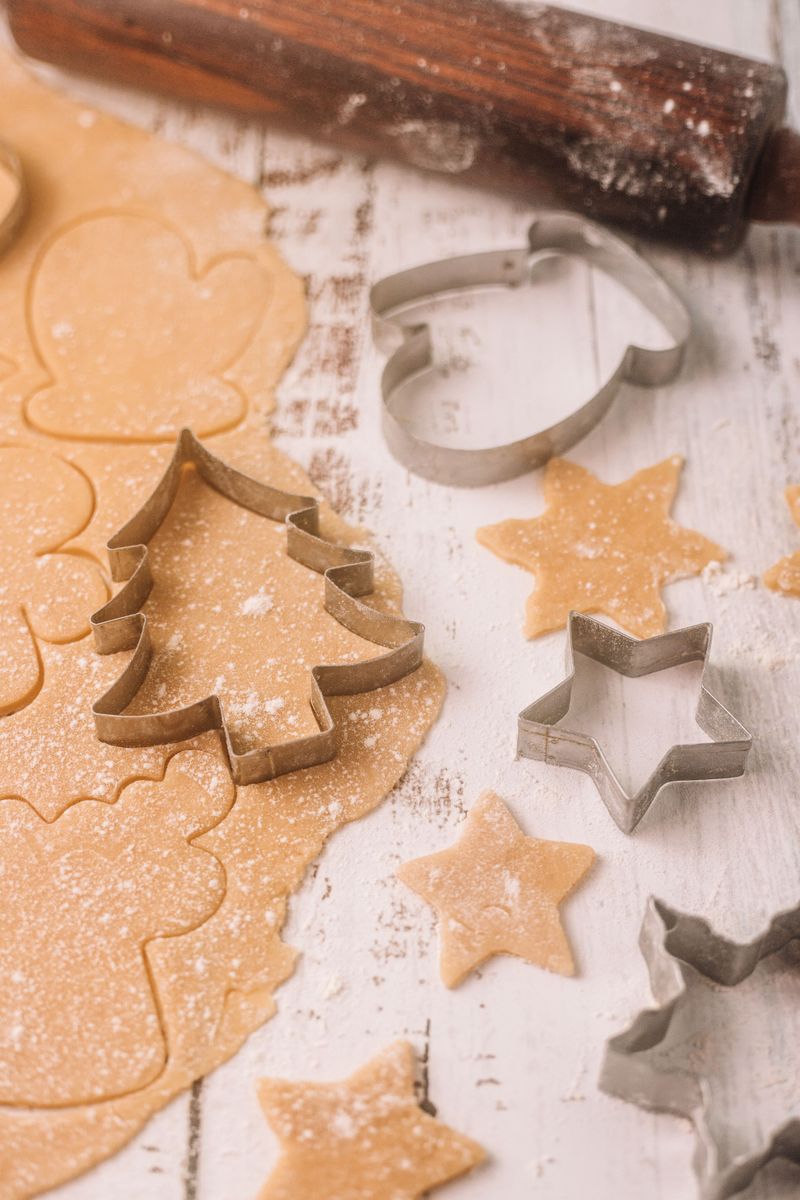
Crisp and delicate, sand tarts snap like thin glass. Pennsylvania Dutch bakers roll the dough so thin it nearly vanishes.
These cookies have been Christmas favorites in German communities across southeastern Pennsylvania since the 1800s. Families often cut them into stars, hearts, and bells.
Each cookie gets cinnamon sugar and sometimes a pecan half on top. Patience matters, since thicker dough means losing that sandy crunch.
Rhode Island: Feast of the Seven Fishes Spread Across the Christmas Eve Table
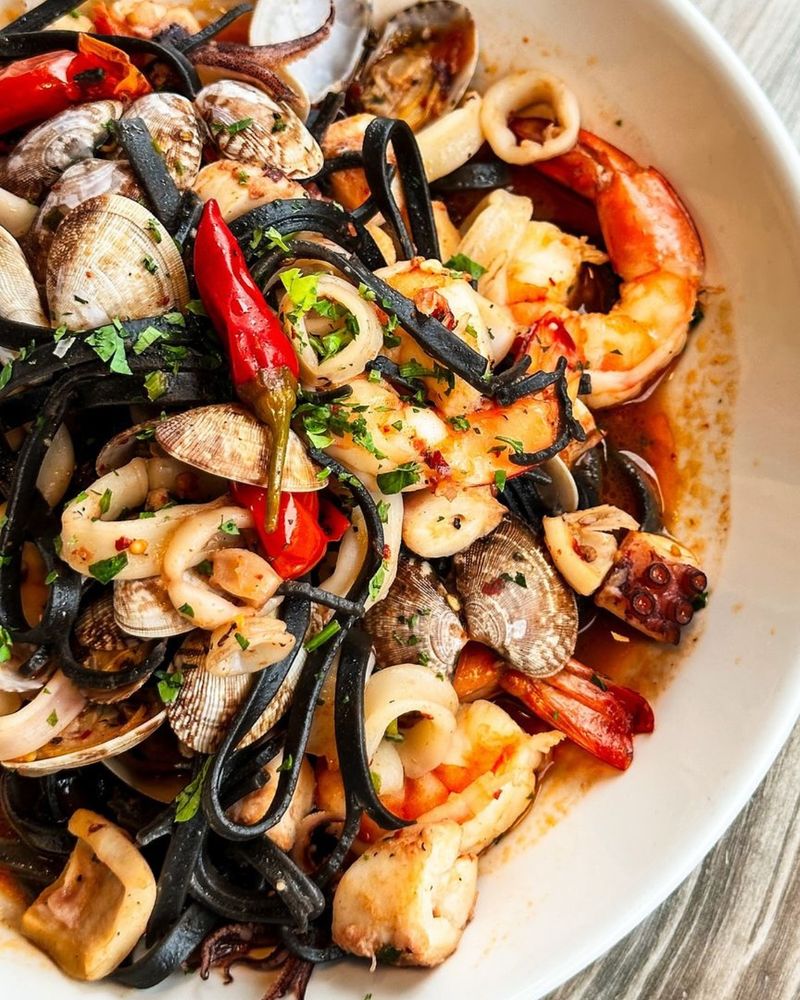
Counting fish might be the most important math problem in some Rhode Island homes on Christmas Eve. Italian-American families gather for the Feast of the Seven Fishes.
Rhode Island has one of the highest shares of Italian-Americans in the country, and Providence's Federal Hill neighborhood is a hub of the culture. Calamari, baccalà, and clams often star on the menu.
The number seven varies by family, and some serve more dishes. Fried squid is a local favorite, with Rhode Island naming calamari its official appetizer in 2014.
South Carolina: Hoppin' John Simmered With Black-Eyed Peas and Rice
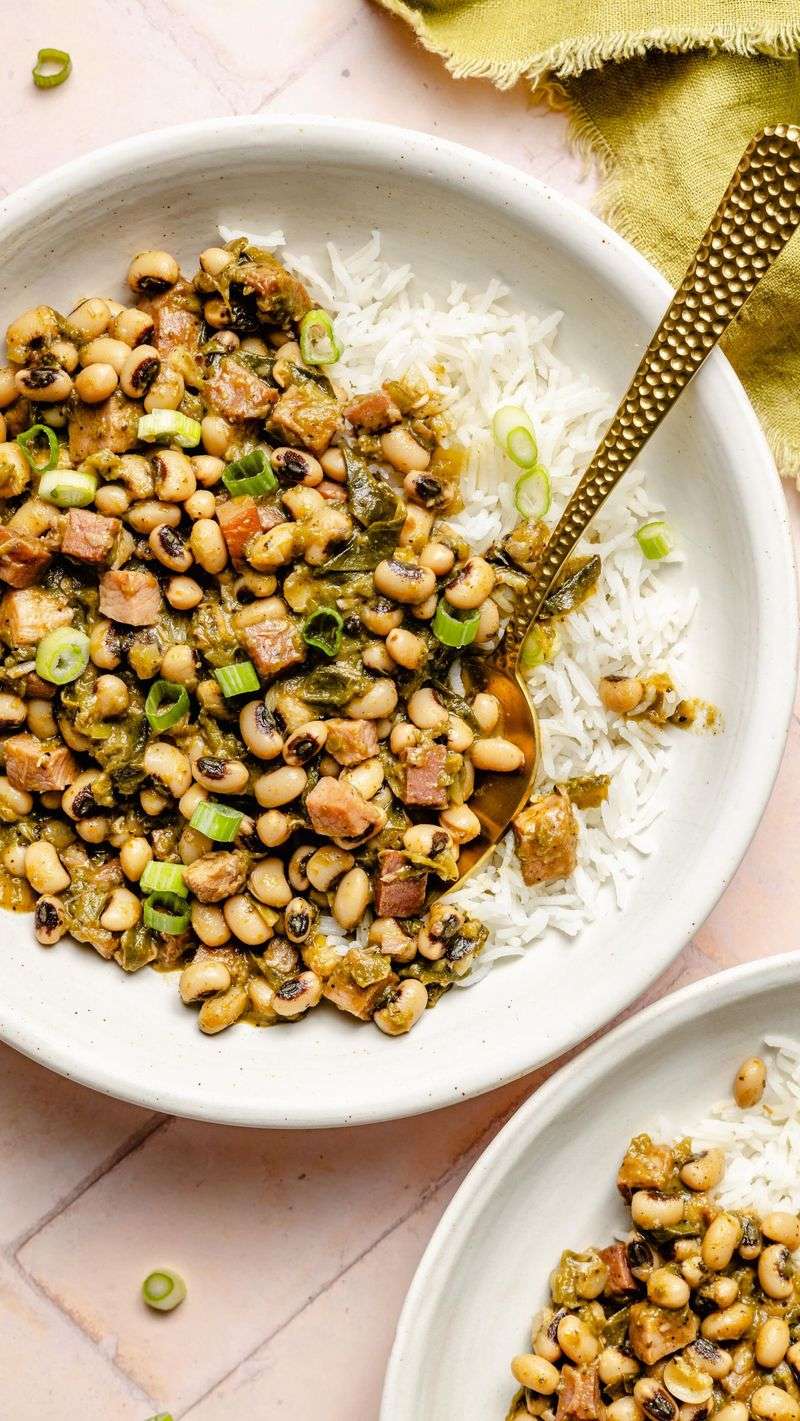
A pot of black-eyed peas and rice greets the new year in many Lowcountry homes. Families say it brings good luck for the months ahead.
Hoppin' John has roots in West African and Gullah Geechee cooking in coastal South Carolina. Recipes appeared in Charleston cookbooks by the 1840s.
Collard greens often join the meal, symbolizing money. Some families add a coin to the pot, and whoever finds it gets extra good fortune.
South Dakota: Kuchen Baked With Fruit and Creamy Custard Filling
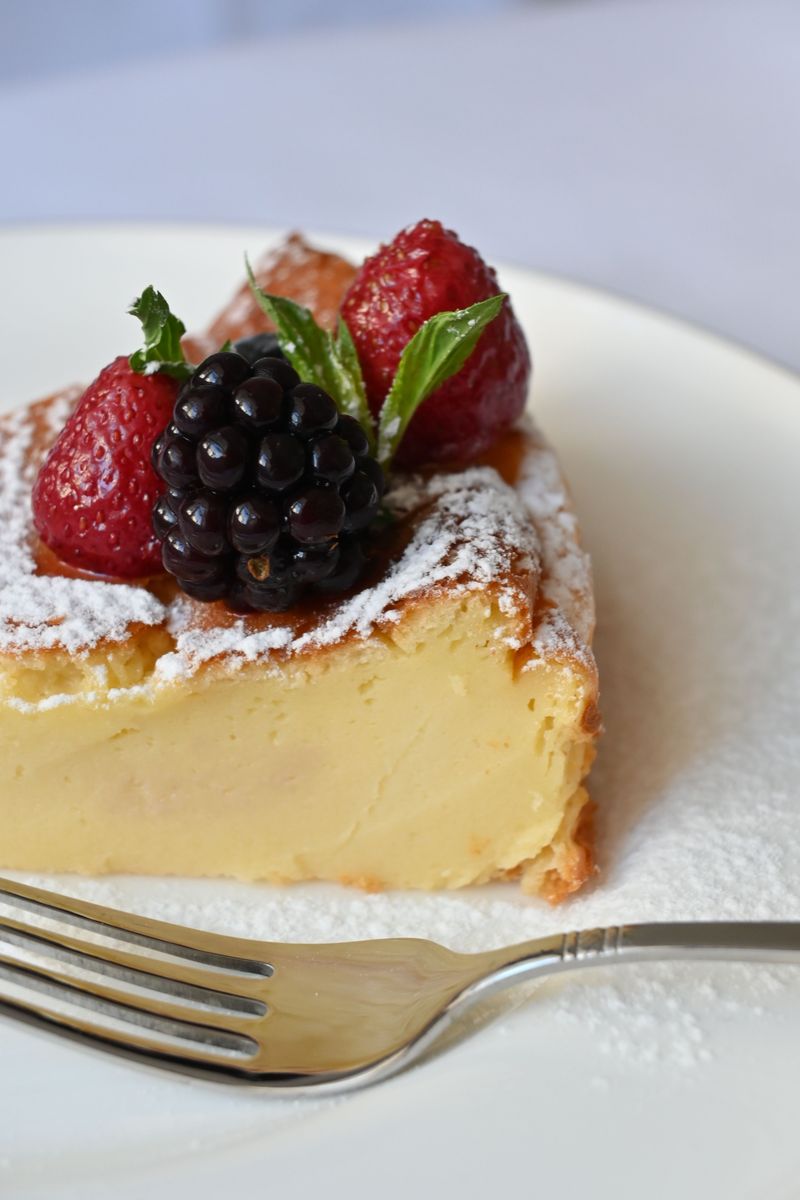
Lawmakers in South Dakota named kuchen the official state dessert in 2000. German-Russian settlers brought the recipe to the Dakotas in the 1870s.
The pastry has a sweet dough crust topped with custard and fruit like peaches or prunes. Families bake it for holidays, church events, and family gatherings.
Many recipes call for a custard made from cream and eggs. Some cooks freeze kuchen in large batches, ready for holiday guests.
Tennessee: Stack Cake Layered Thin With Dried Apple Filling
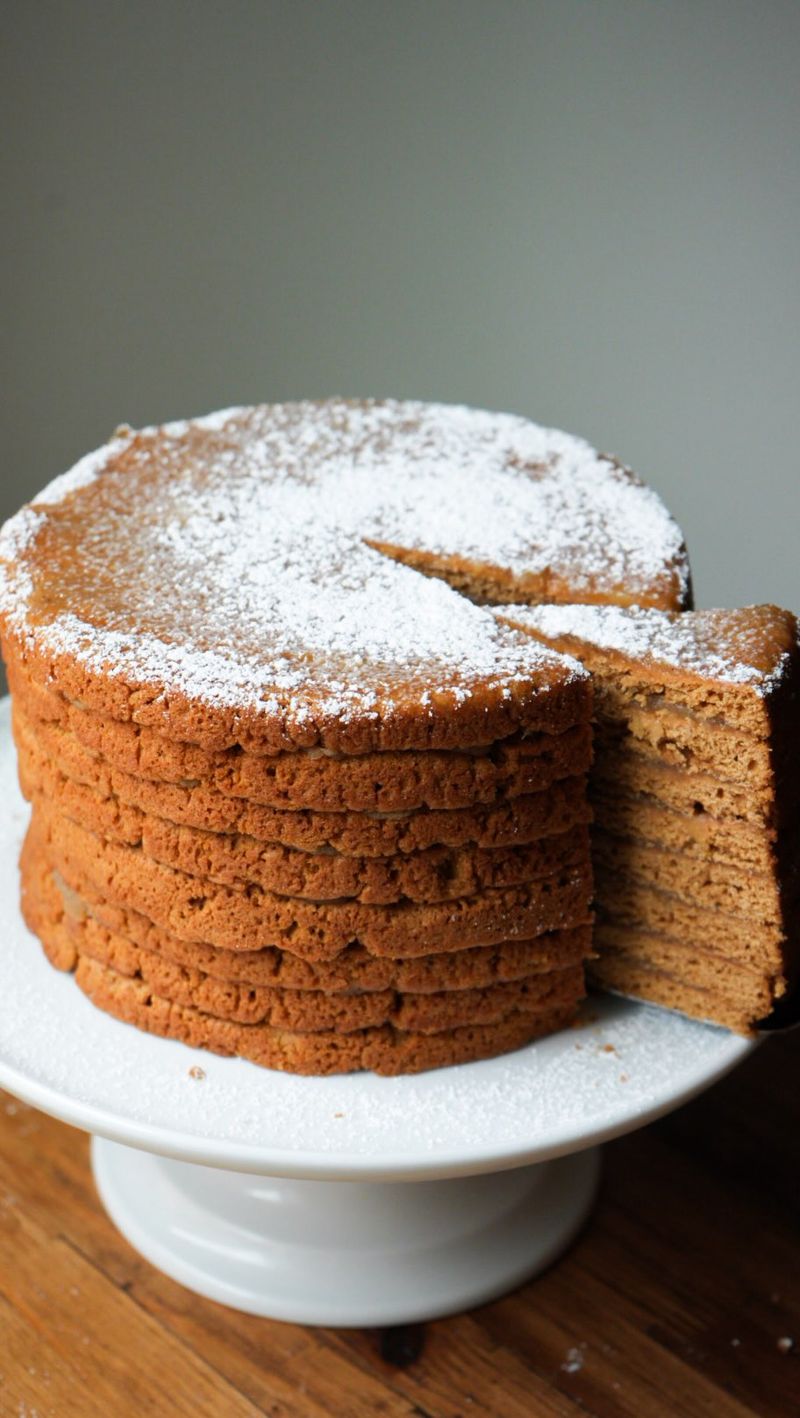
A stack cake can have six or more thin layers of spiced dough. Between them, cooks spread a thick filling made from dried apples.
The dessert comes from Appalachian traditions in east Tennessee, where it appears at holidays and family celebrations. Families sometimes let the cake rest for days before serving.
As it sits, the apple filling softens the dry layers. The flavor deepens over time, rewarding anyone who can resist cutting it too early.
Texas: Tamales Wrapped in Corn Husks and Steamed by the Dozen
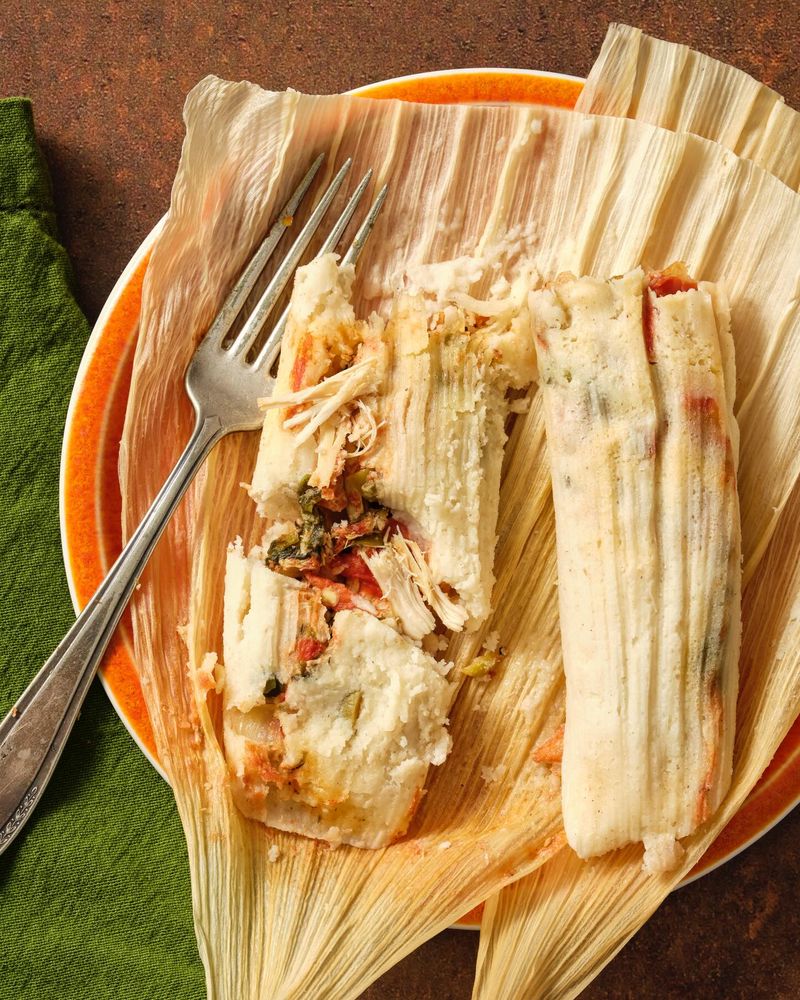
Spreading masa onto corn husks is a group effort known as a tamalada. Texas families gather in December to make dozens or even hundreds of tamales.
Tamales have deep roots in Mexican culture, and Tejano communities made them a Christmas tradition in Texas. Pork with red chile is a classic filling.
Steaming takes about an hour, filling the kitchen with corn and chile aromas. Leftovers freeze well, so families often enjoy them into the new year.
Utah: Funeral Potatoes Baked Cheesy With a Crunchy Cornflake Topping
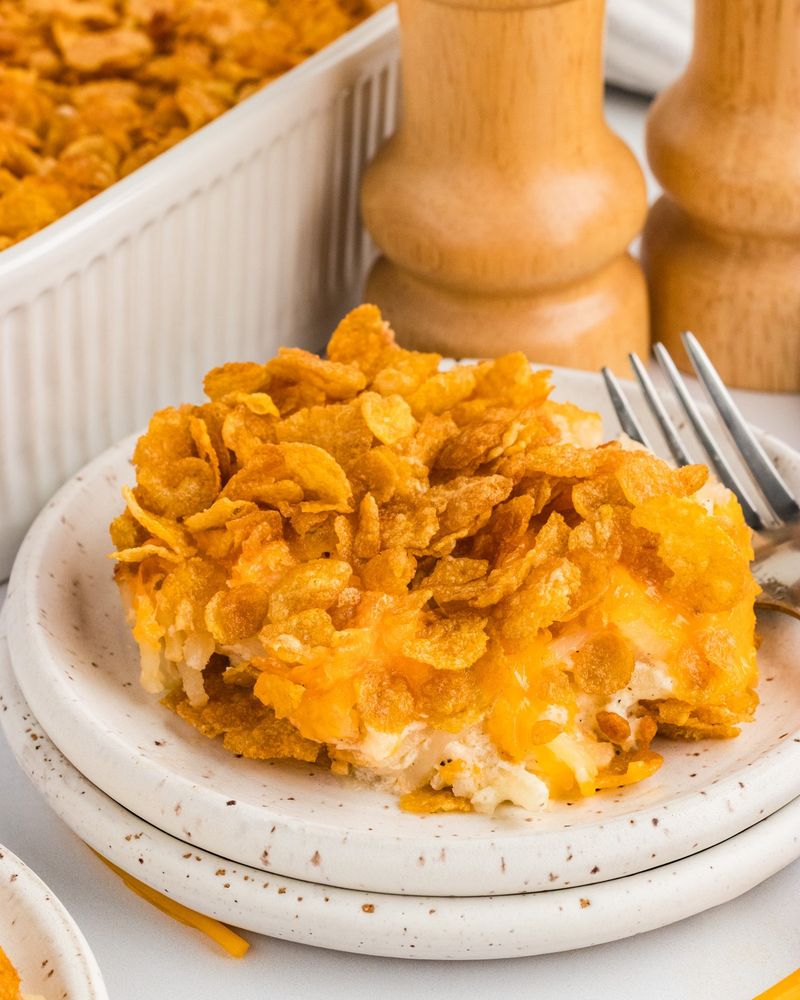
Despite the name, these cheesy potatoes show up at plenty of happy occasions. In Utah, they are common at holidays, church dinners, and family gatherings.
The dish became famous through Latter-day Saint community meals, often served after funerals. A 2002 Winter Olympics pin in Salt Lake City even featured the casserole.
Shredded potatoes, cheese, and sour cream form the base. A golden topping of cornflakes or crackers adds crunch to each bite.
Vermont: Apple Pie Served With a Slice of Sharp Cheddar
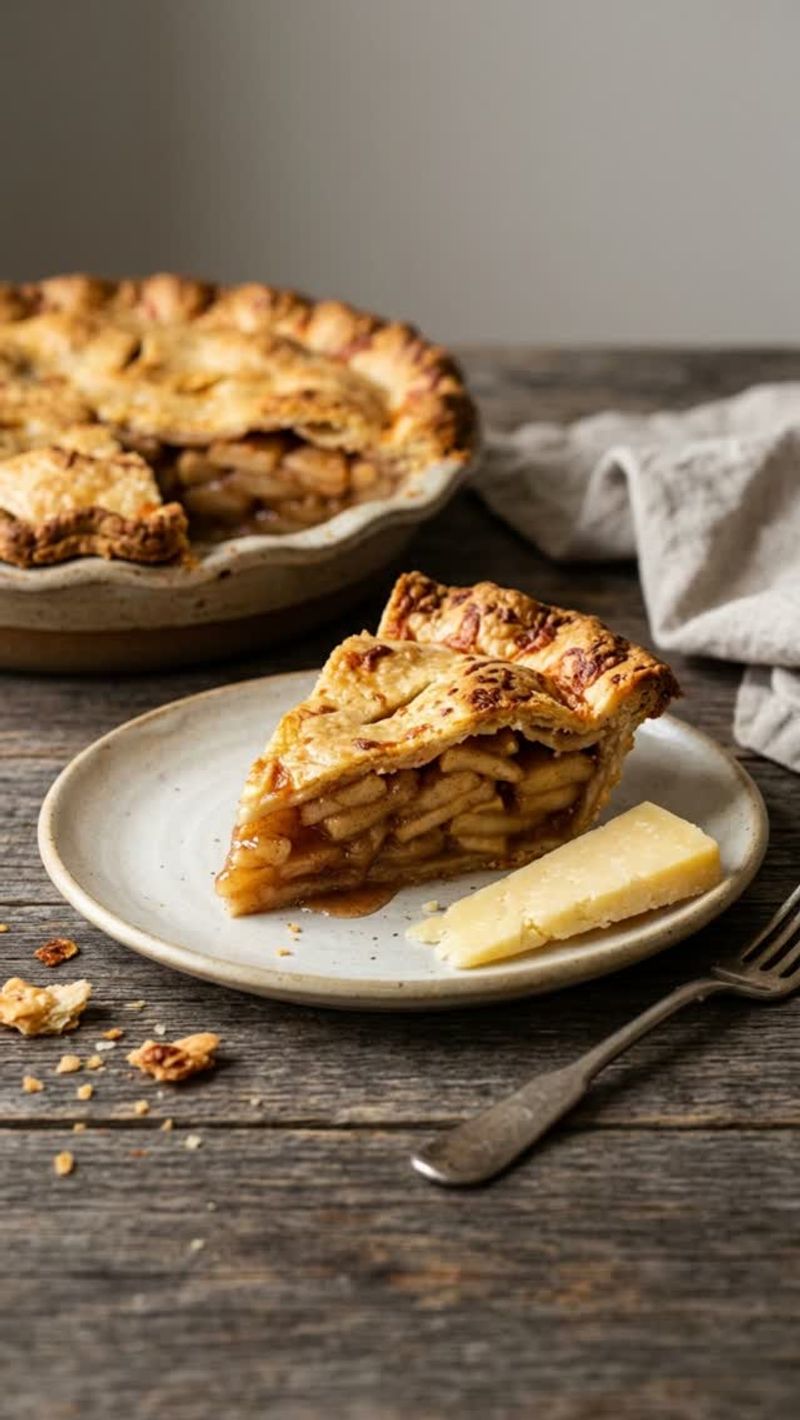
Vermont lawmakers named apple pie the official state pie in 1999. The law even suggests serving it with a slice of cheddar cheese.
Apple orchards and dairy farms dot the state, making the pairing natural. Vermont families often serve the combination during the holidays.
The cheese adds a salty balance to sweet apples. Sharp aged cheddar works best, and some bakers even bake cheese into the crust.
Virginia: Country Ham Sliced Thin and Served on Biscuits
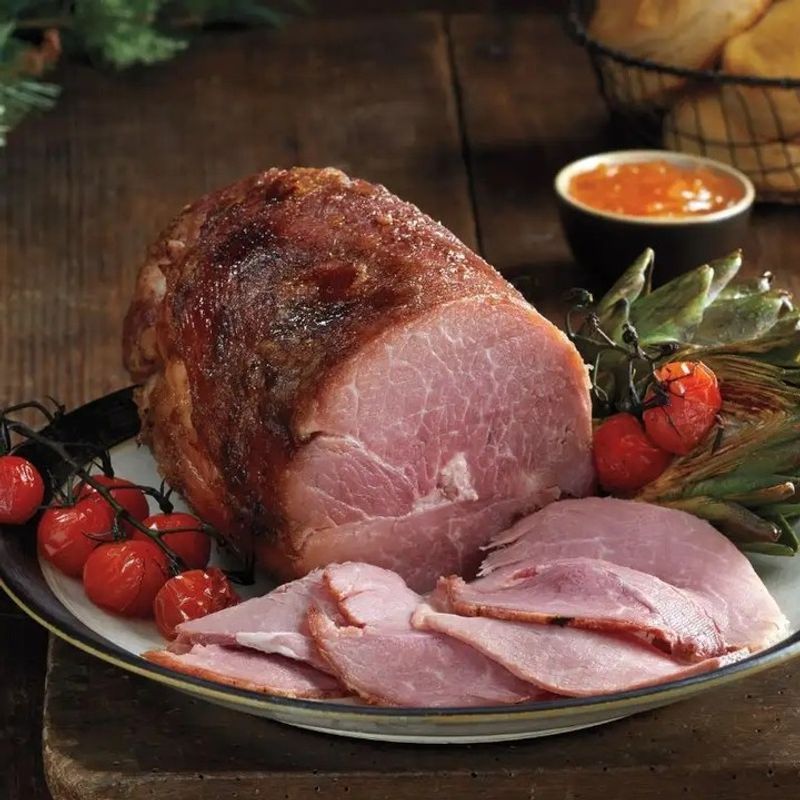
Salt-cured and aged for months, Virginia country ham tastes nothing like a supermarket ham. It is intensely salty and full of flavor.
Smithfield, Virginia, is famous for its hams, with a 1926 state law defining true Smithfield ham. Families often serve country ham at Christmas, especially on small biscuits.
Soaking the ham before cooking removes some of its saltiness. Slicing it paper-thin makes each bite perfect for holiday parties.
Washington: Aplets and Cotlets Cubed and Dusted With Powdered Sugar
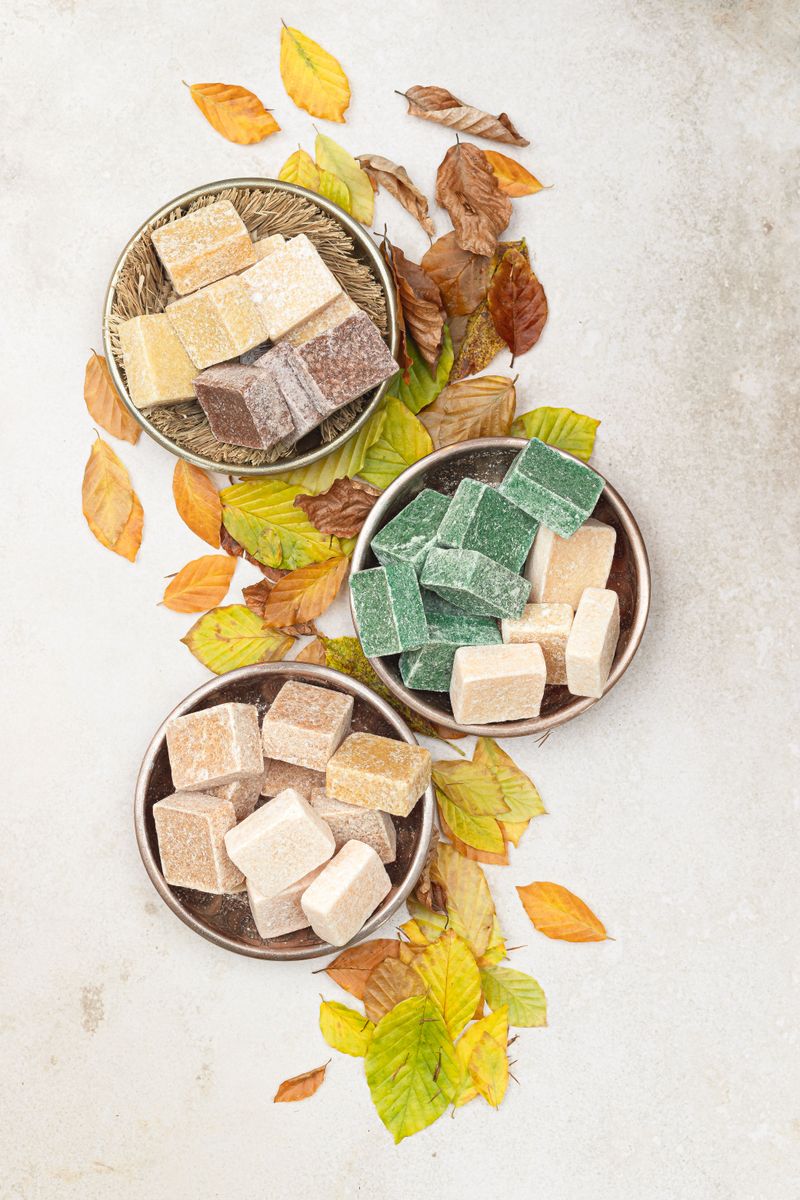
Two Armenian immigrants started a candy business in Cashmere, Washington, in the early 1900s. Armen Tertsagian and Mark Balaban created fruit-and-walnut candies inspired by Turkish delight.
They called them Aplets and Cotlets, made from apples and apricots. The candies became popular holiday gifts, especially in Washington.
The cubes are chewy, sweet, and coated with powdered sugar. Many families include them in stockings or holiday gift baskets.
West Virginia: Apple Butter Cooked Dark in a Copper Kettle
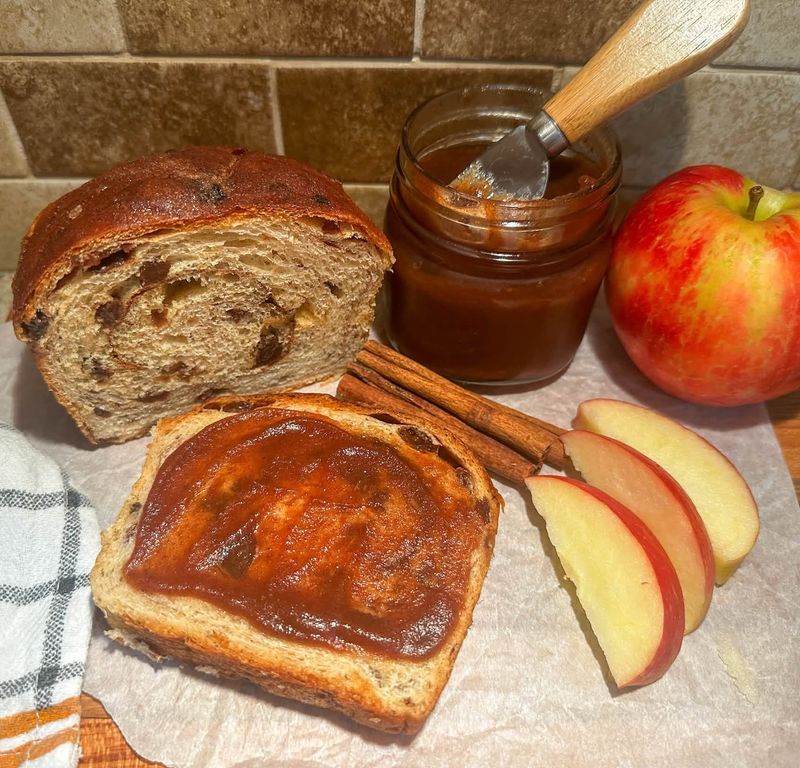
Stirring apple butter can take an entire day. West Virginia families often cook it outdoors in big copper kettles during fall.
West Virginia is the birthplace of the Golden Delicious apple, discovered in Clay County in 1914. Apple butter jars often become holiday gifts or spreads for Christmas breakfasts.
The apples slowly cook down with sugar and spices until dark and thick. A long wooden paddle keeps the butter from burning.
Wisconsin: Kringle Baked as a Flaky Oval Ring With Icing
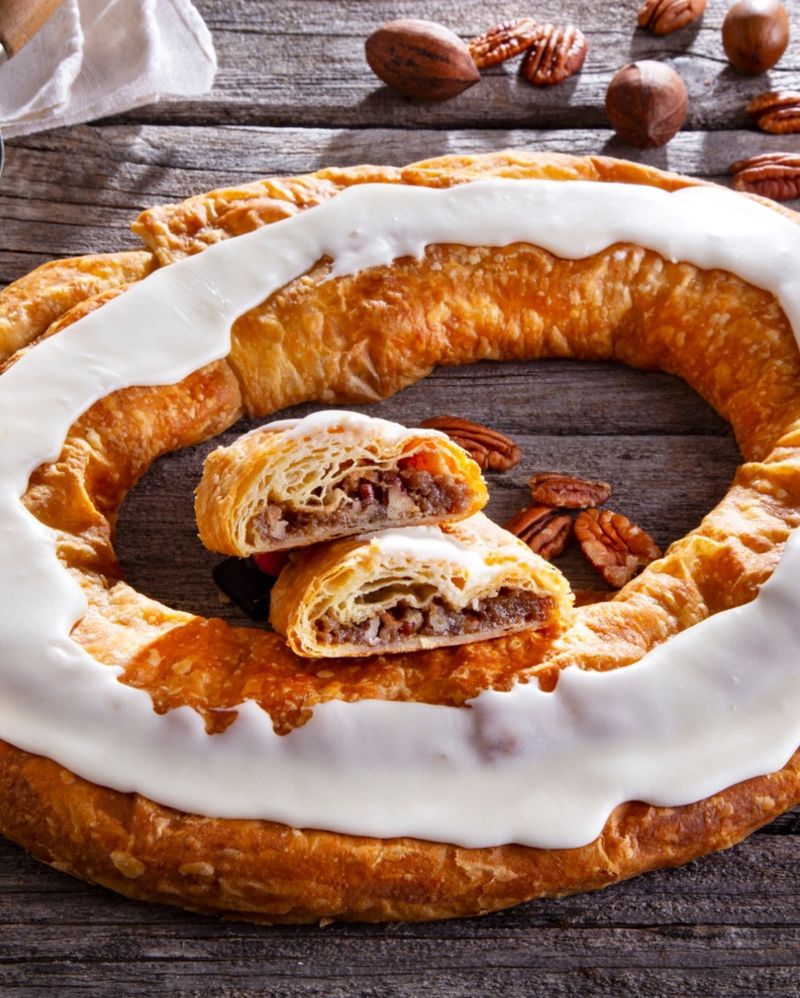
A flaky oval pastry filled with nuts or fruit, kringle is Wisconsin's official state pastry. Lawmakers made the designation in 2013.
Danish immigrants brought the recipe to Racine in the 1800s. The city remains famous for kringle, especially during the holiday season.
Each kringle has dozens of buttery layers. Popular fillings include pecan and raspberry, often finished with icing drizzle.
Wyoming: Chokecherry Jelly Spooned From Jars of Deep Red
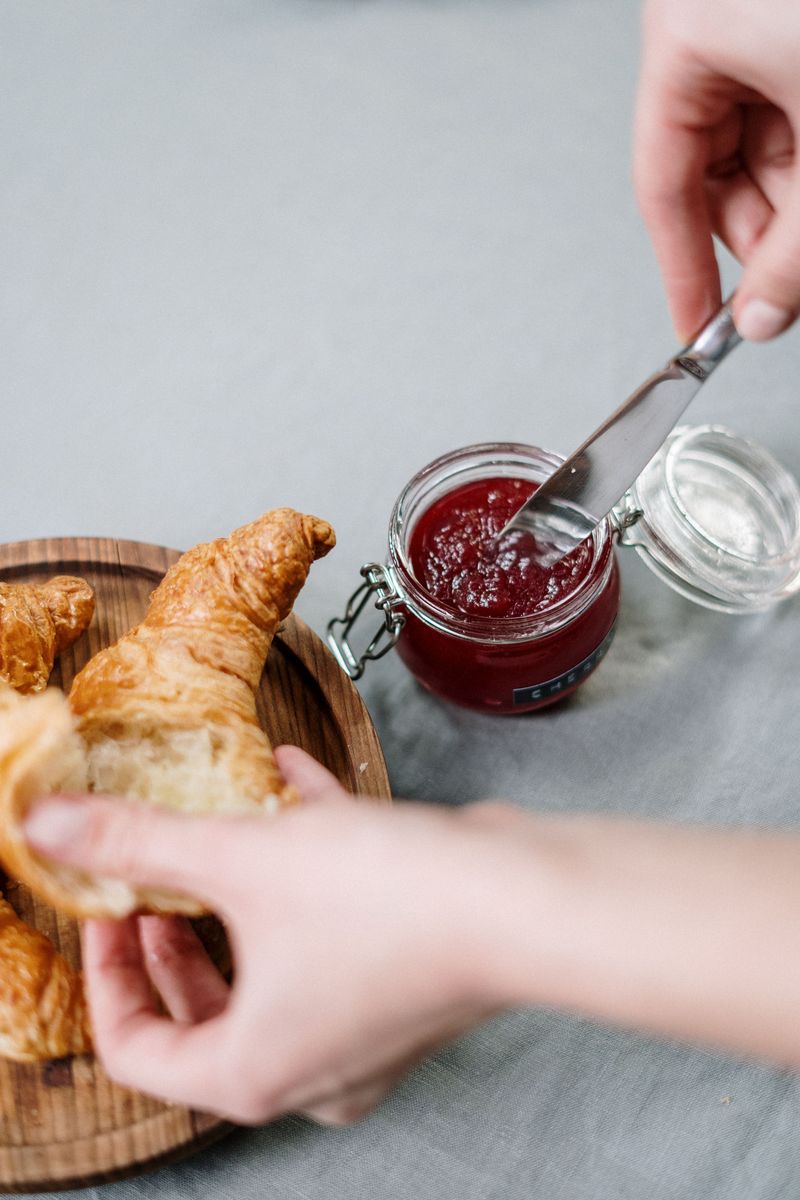
Raw chokecherries are so tart they make your mouth pucker. Wyoming families turn them into deep red jelly and syrup.
Chokecherries grow wild in Wyoming, and picking them is a late summer tradition. Many households give the homemade jelly as holiday gifts.
The jelly pairs well with toast, biscuits, or pancakes on winter mornings. Only the fruit is safe to use, since the pits and leaves are toxic and must be discarded.

Leave a Reply