
In 1988, Oklahoma lawmakers named an entire official state meal. It lists a dozen foods, including gravy-smothered steak, black-eyed peas, and pecan pie.
I had no idea a legislature could order a whole dinner.
Texas got there first in its own way. In 1977, its legislature made a spicy bowl of beef and chile peppers the official state dish.
Louisiana later went even bigger and named a dark, simmered stew its official state cuisine.
So how does this list work? Each of the 50 states gets one hot, hearty dish with a documented connection to that state.
Some picks carry an official title, some have a known birthplace, and others are tied to a region by long tradition. Warm-weather states get honest picks, too.
Some choices will feel obvious, and a few might start friendly arguments. Ready to jump to your own state and see if you agree with the pick?
Alabama: Camp Stew Simmered With Chicken, Pork, and Tomatoes in a Big Iron Pot
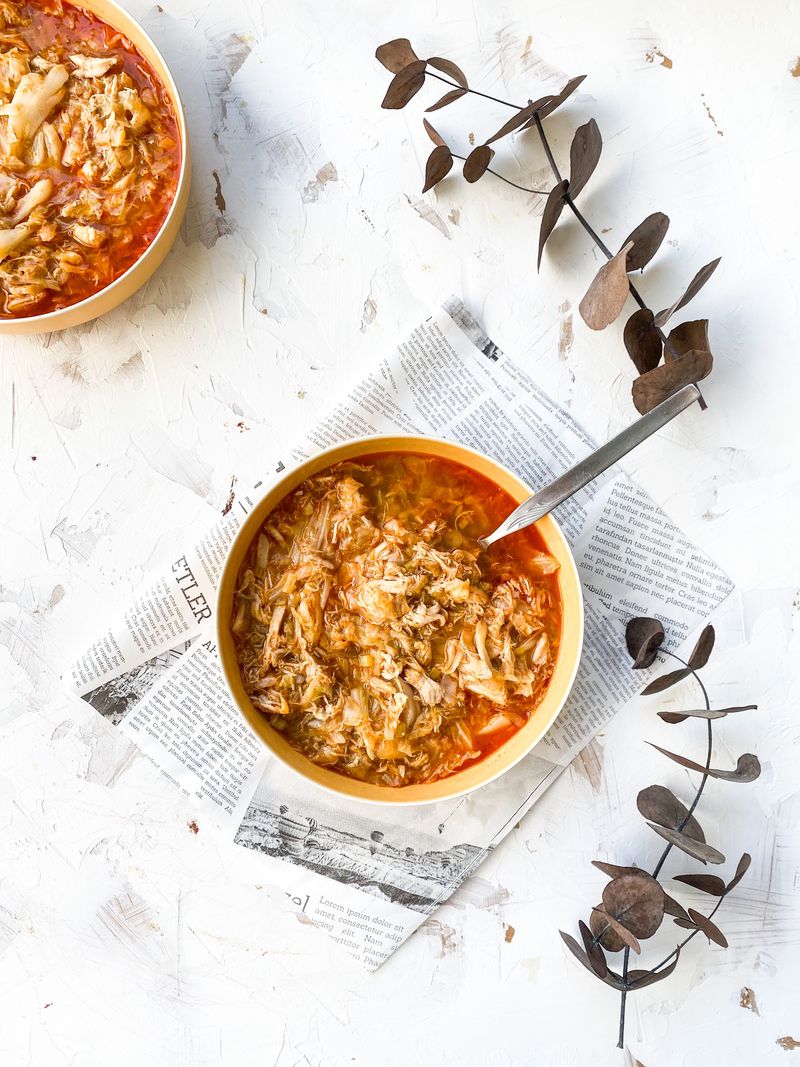
Long before slow cookers, Alabamians were stirring giant pots of stew with wooden paddles. Camp stew is the state's own take on the thick, tomato-based stews found across the South.
Cooks usually mix shredded chicken and pork with corn, potatoes, onions, and tomatoes until everything melts together. The result is thick enough to hold a spoon upright, or close to it.
Big batches still show up at church fundraisers and community events in cooler months. If you make it at home, grab a box of saltines, because crumbling a few on top is half the fun.
Alaska: Salmon Chowder Ladled Thick With Wild Salmon and Potatoes
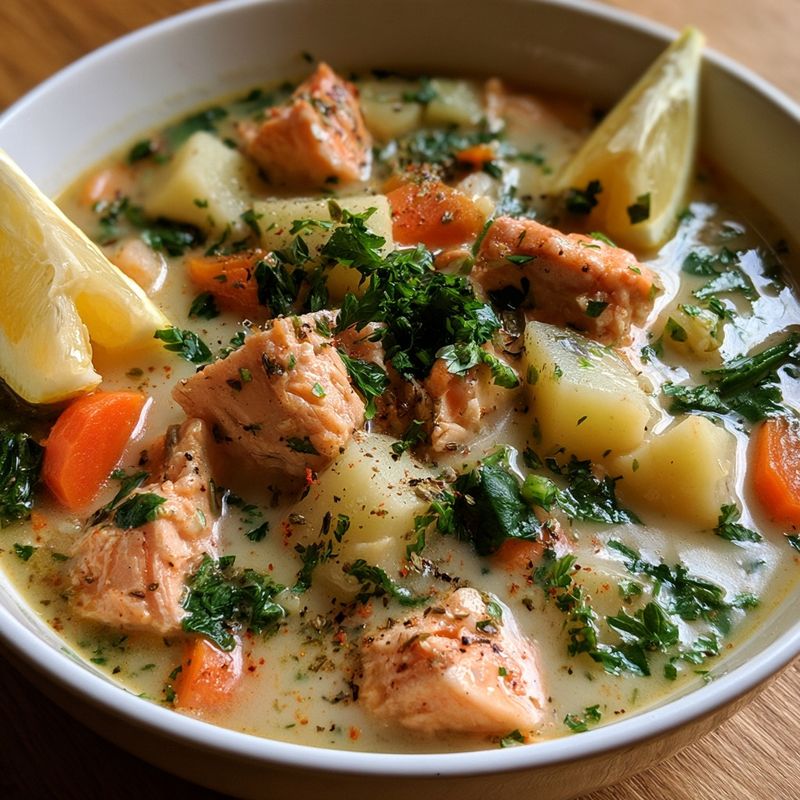
Few places on Earth have the wild salmon runs Alaska does, so it makes sense the fish ends up in soup. Salmon chowder swaps the usual clams for big flakes of pink salmon.
Most versions simmer the fish with potatoes, onions, and celery in a creamy broth. Some cooks use smoked salmon, which adds a deep, campfire-like flavor to every spoonful.
Home cooks often stock their freezers with summer catches to use when winter settles in. A bowl of chowder is a smart way to stretch that stash through long, dark months.
Arizona: Chimichanga Fried Golden and Smothered in Sauce and Cheese
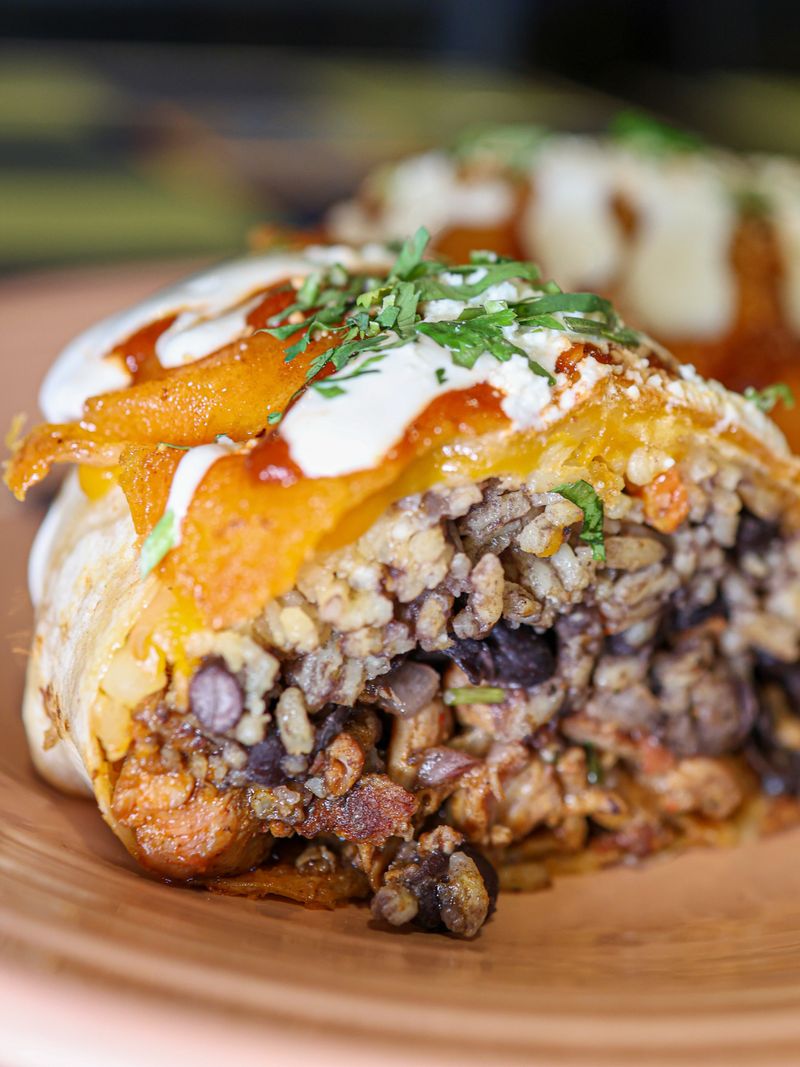
Two Arizona restaurants have argued for decades over who first dropped a burrito into hot oil. El Charro Café in Tucson credits founder Monica Flin, while Macayo's in Phoenix has its own claim.
Neither side has fully settled it, so you can enjoy the debate along with the food. A chimichanga is a stuffed flour tortilla fried until crisp and often topped with sauce and cheese.
Arizona winters are mild, so this is not about fighting frostbite. Still, a hot, crunchy plate feels right on a cool desert evening when temperatures finally drop.
Arkansas: Chocolate Gravy Poured Over Hot Buttermilk Biscuits
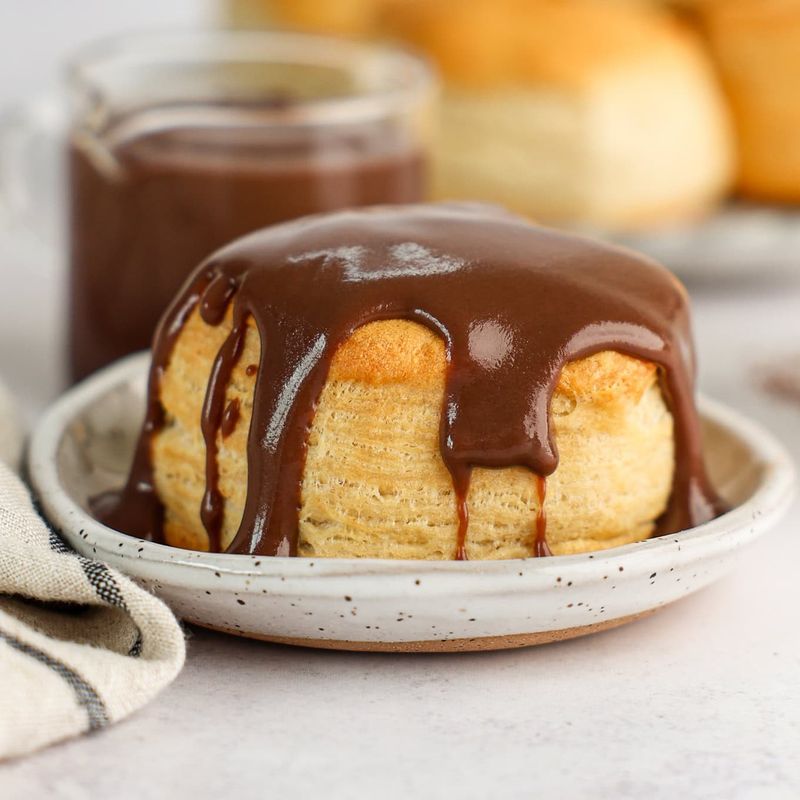
Chocolate for breakfast sounds like a kid's dream, but in parts of Arkansas it is a real tradition. Chocolate gravy is a thick, pourable sauce made from cocoa, sugar, flour, butter, and milk.
Families in the Ozarks spoon it over hot biscuits, usually split open so the gravy soaks in. Food historians have linked the dish to the region, though its exact origin is still unclear.
It comes together in one skillet in about ten minutes. That makes it a handy treat for a chilly weekend morning when nobody wants to wait long for breakfast.
California: Hangtown Fry Cooks Oysters and Bacon Into a Golden Omelet
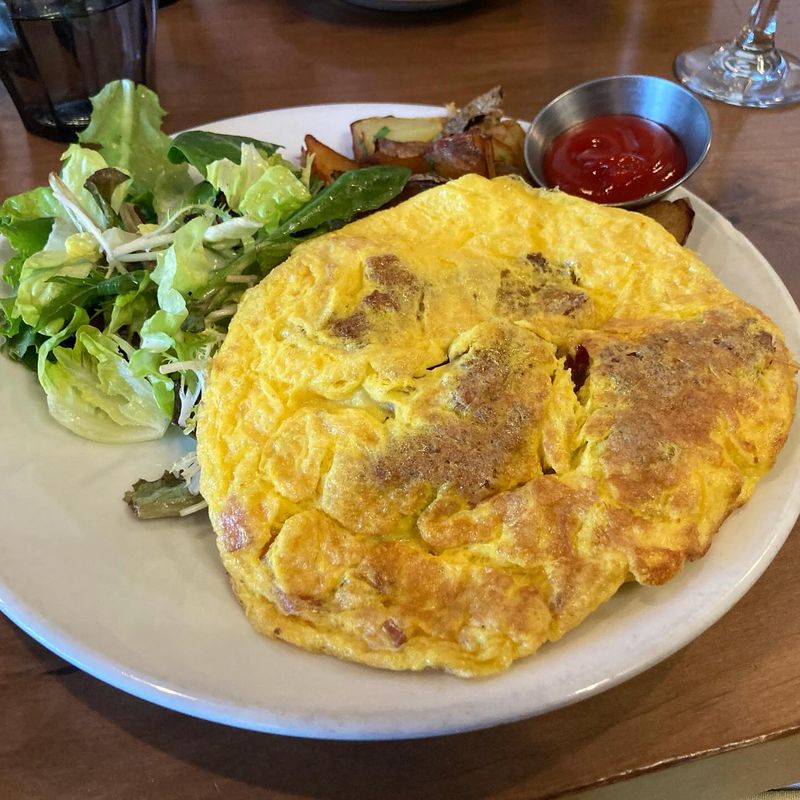
Gold Rush miners with cash to burn wanted the priciest meal around, and legend says this is what they got. The Hangtown fry comes from Placerville, a mining town once nicknamed Hangtown.
The dish combines fried oysters, bacon, and eggs in one skillet. Back in the 1850s, fresh oysters and eggs were costly luxuries in the hills, so ordering it showed you had struck it rich.
Exact details of the first plate are fuzzy, so treat the story as tradition. It is still a hearty, filling skillet meal worth trying on a damp California morning.
Colorado: Green Chili Smothers Burritos With Pork and Roasted Chiles
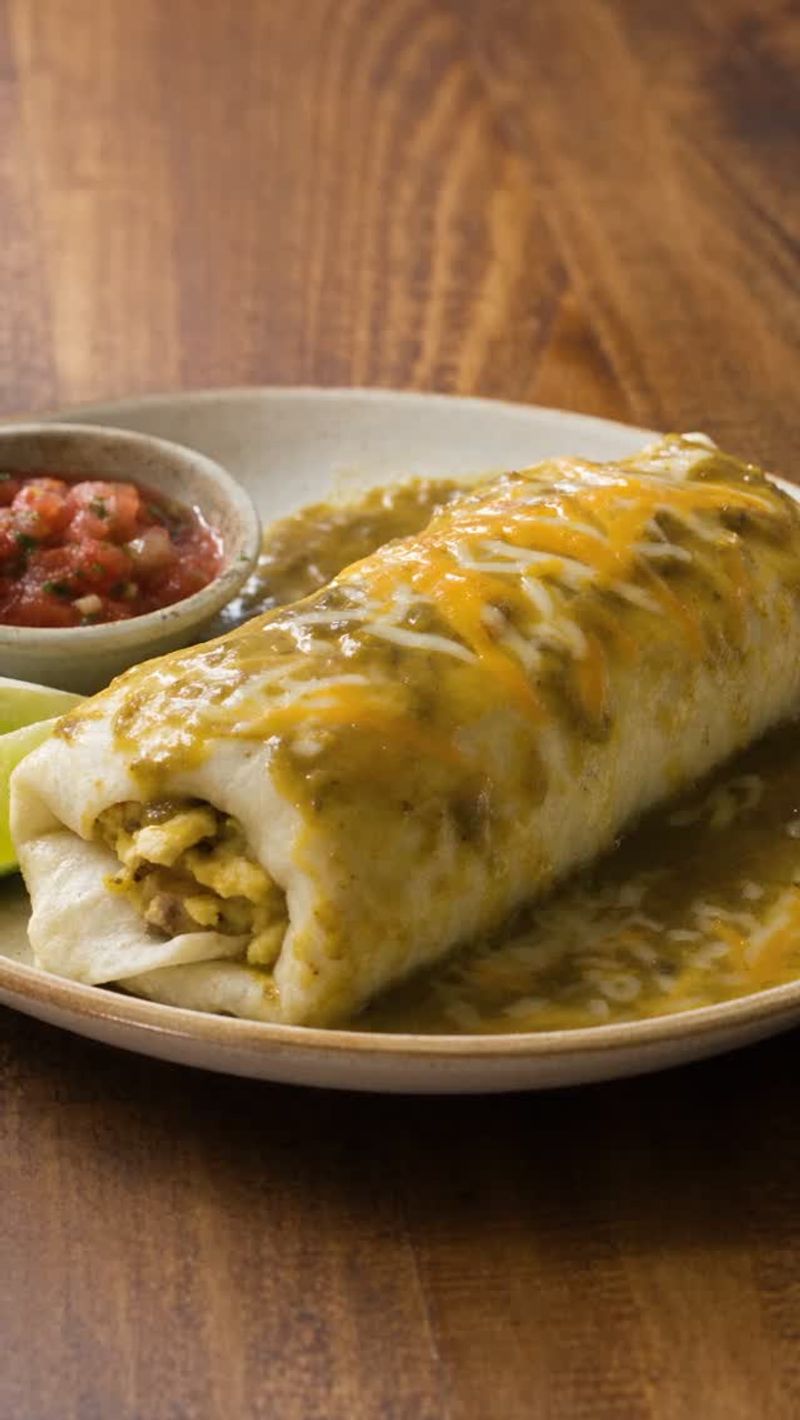
Ask for green chili in Denver and you may get a thick pork stew poured over almost anything. Colorado-style green chili is often heartier than versions found farther south.
Cooks simmer chunks of pork with roasted green chiles, tomatoes, and onions, often thickening the mix with a little flour. People eat it by the bowl or ladle it over burritos, eggs, and fries.
Pueblo, Colorado, grows its own well-known chile pepper, which gives the state extra bragging rights. Freeze a batch in the fall, and you will have a quick smothering sauce ready all winter.
Connecticut: New Haven Apizza Comes Charred From a Coal-Fired Oven
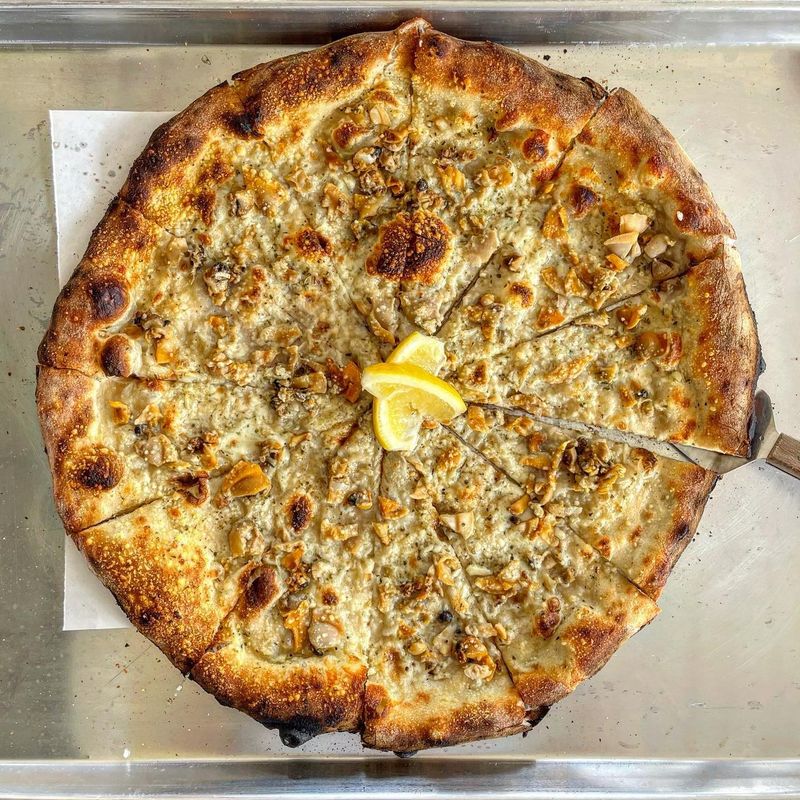
Pronounce it "ah-beets" and you will sound like a local New Haven pizza fan. Frank Pepe opened his pizzeria there in 1925, helping launch the city's famous style.
New Haven apizza has a thin, chewy crust baked in a very hot oven until it gets charred, blistered spots. The white clam pie, topped with clams, garlic, olive oil, and grated cheese, is a famous variety.
On a cold Connecticut night, a pie fresh from the oven heats up the whole table. Just be ready for the debate over which New Haven pizzeria does it best.
Delaware: Chicken and Slippery Dumplings Swim in a Rich Broth
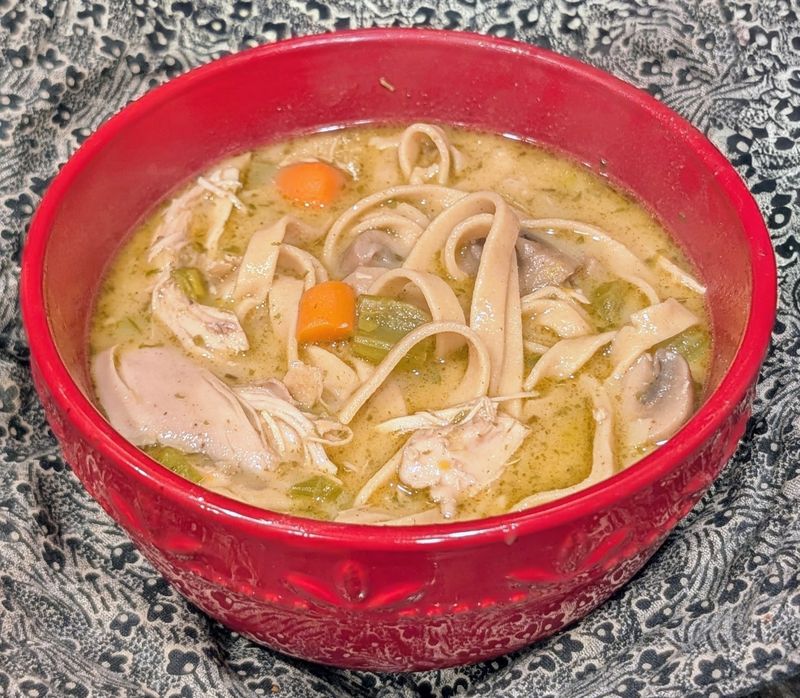
Forget fluffy biscuit balls, because Delaware's dumplings are flat, thin, and gloriously slippery. Cooks roll out dough, cut it into squares or strips, and drop them into simmering chicken broth.
The pieces cook into tender, noodle-like slips that slide right off your spoon. Shredded chicken and a thick, savory broth finish the dish.
Church dinners and fire hall suppers across the state have long served it. If you try it at home, roll the dough thin and add it slowly, or the pieces will clump together.
Florida: Minorcan Clam Chowder Glows Red With Fiery Datil Peppers
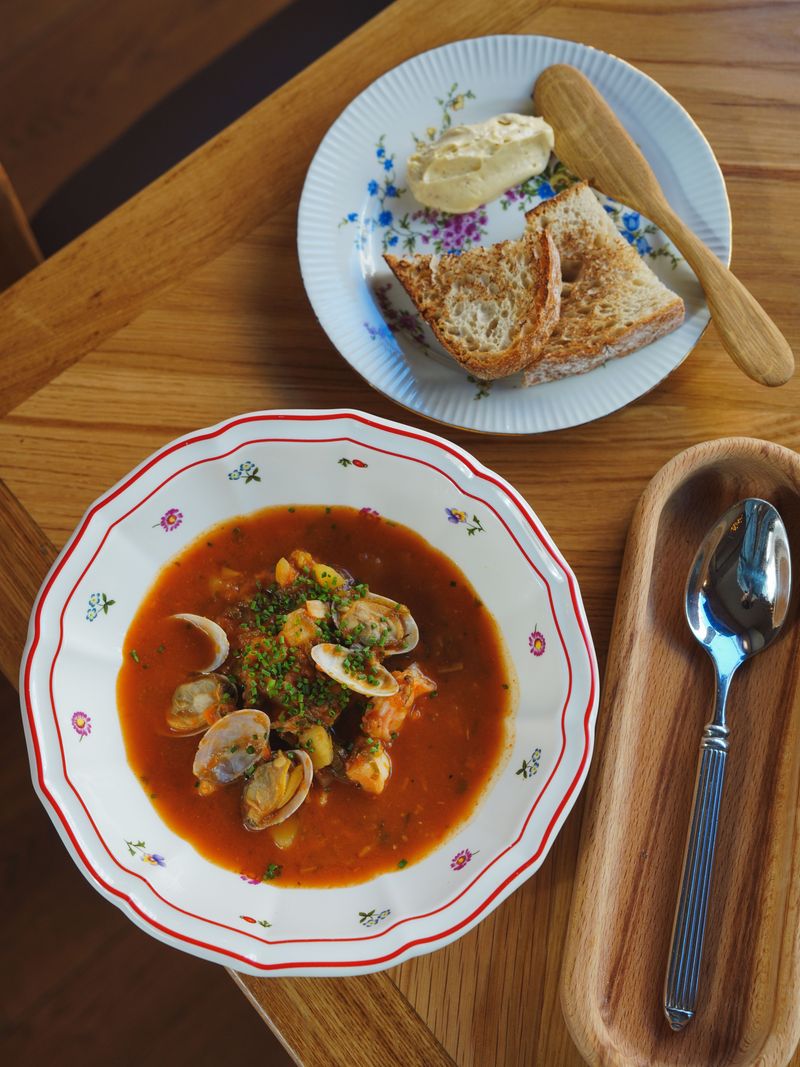
A tiny, fiery pepper gives St. Augustine's favorite chowder its kick. Minorcan clam chowder uses the datil pepper, which is closely linked to the St. Augustine area.
The recipe traces back to Minorcan settlers who arrived in Florida in the 1700s. Their descendants kept the tomato-based clam chowder alive for generations.
Florida winters rarely require a heavy coat, but cool, breezy evenings on the coast do happen. That is when a spicy red bowl of chowder makes a lot of sense, so go easy with those peppers.
Georgia: Brunswick Stew Bubbles Thick With Meat, Corn, and Lima Beans
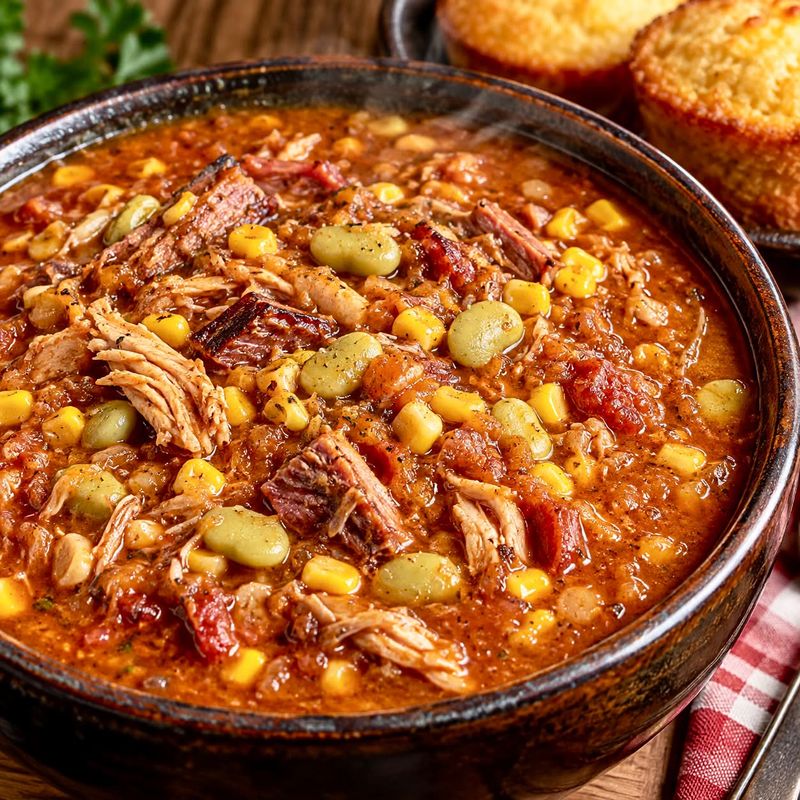
A plaque in Brunswick, Georgia, sits beside an old iron pot and claims the city's first stew was made there in 1898. Brunswick County, Virginia, disagrees and dates its own version to 1828.
The rivalry is friendly, but both sides take it seriously. Neither claim has fully knocked out the other, so the stew belongs to a shared Southern tradition.
Georgia versions often mix smoked or shredded meats with corn, lima beans, and tomatoes. It is a thick, tangy stew, and many people serve it alongside barbecue as a side.
Hawaii: Saimin Noodle Soup Served Steaming With Fish Cake and Green Onion
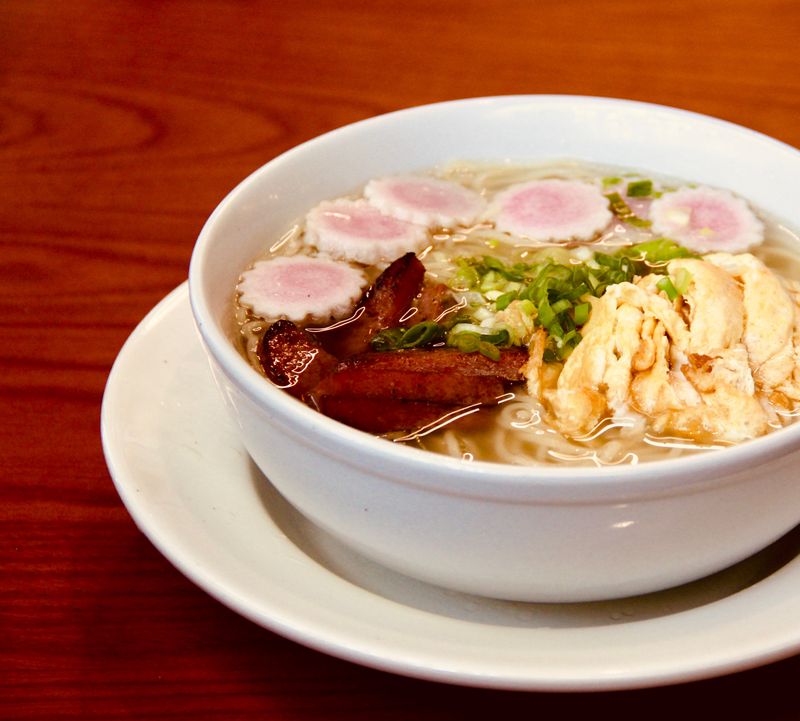
Plantation workers from many countries shared meals in Hawaii, and saimin grew out of that mix. The noodle soup blends influences from Chinese, Japanese, Filipino, and other communities who worked the islands' fields.
A bowl usually holds soft wheat noodles in a clear broth often made with dashi. Toppings may include fish cake, char siu pork, green onion, and egg.
Hawaii does not get much of a winter, so there is no snow involved here. Still, a hot bowl on a rainy island afternoon is hard to beat.
Idaho: Baked Potato Split Open and Piled High With Butter and Toppings
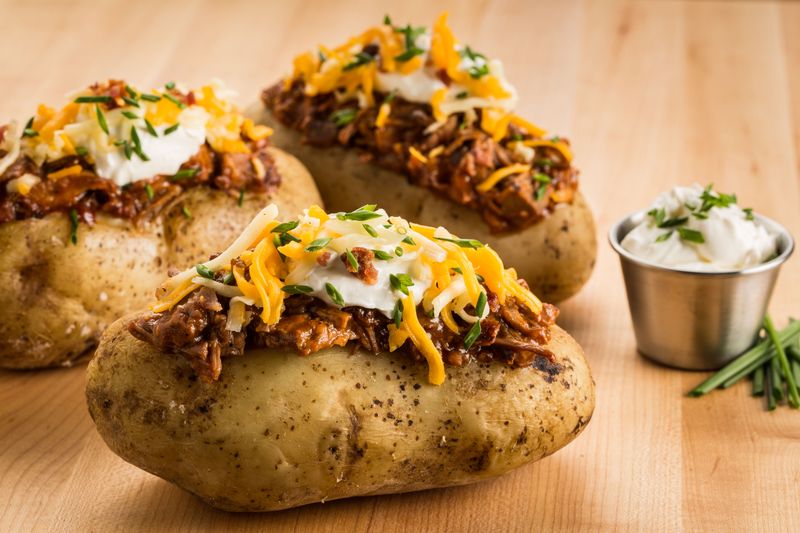
Idaho made the potato its official state vegetable in 2002, which surprised exactly no one. The state is famous for growing russets, the starchy variety that bakes up light and fluffy.
A properly baked russet has crispy skin and a soft middle that soaks up butter. Pile on sour cream, cheese, or chili, and a side dish becomes dinner.
Here is a handy tip for better results. Rub the skin with oil and salt, skip the foil, and bake until a fork slides through with no resistance.
Illinois: Chicago Deep-Dish Pizza Rises Tall With Cheese and Chunky Tomato Sauce
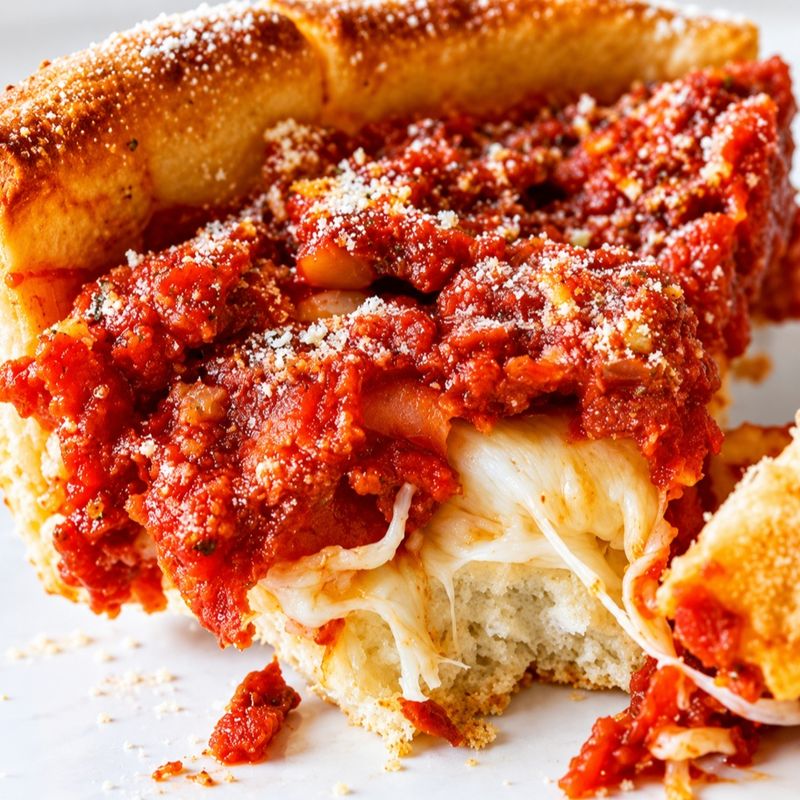
Eating this pizza with a knife and fork is not fancy, just practical. Chicago deep-dish is usually credited to Pizzeria Uno, which opened in 1943.
Who exactly came up with it, though, is debated among the founders and early staff. The pizza is baked in a tall pan with cheese on the bottom and chunky tomato sauce on top.
That upside-down layering keeps the cheese from burning during the long bake. One slice is a meal, so plan accordingly before reaching for a second.
Indiana: Chicken and Noodles Spooned Over a Mound of Mashed Potatoes
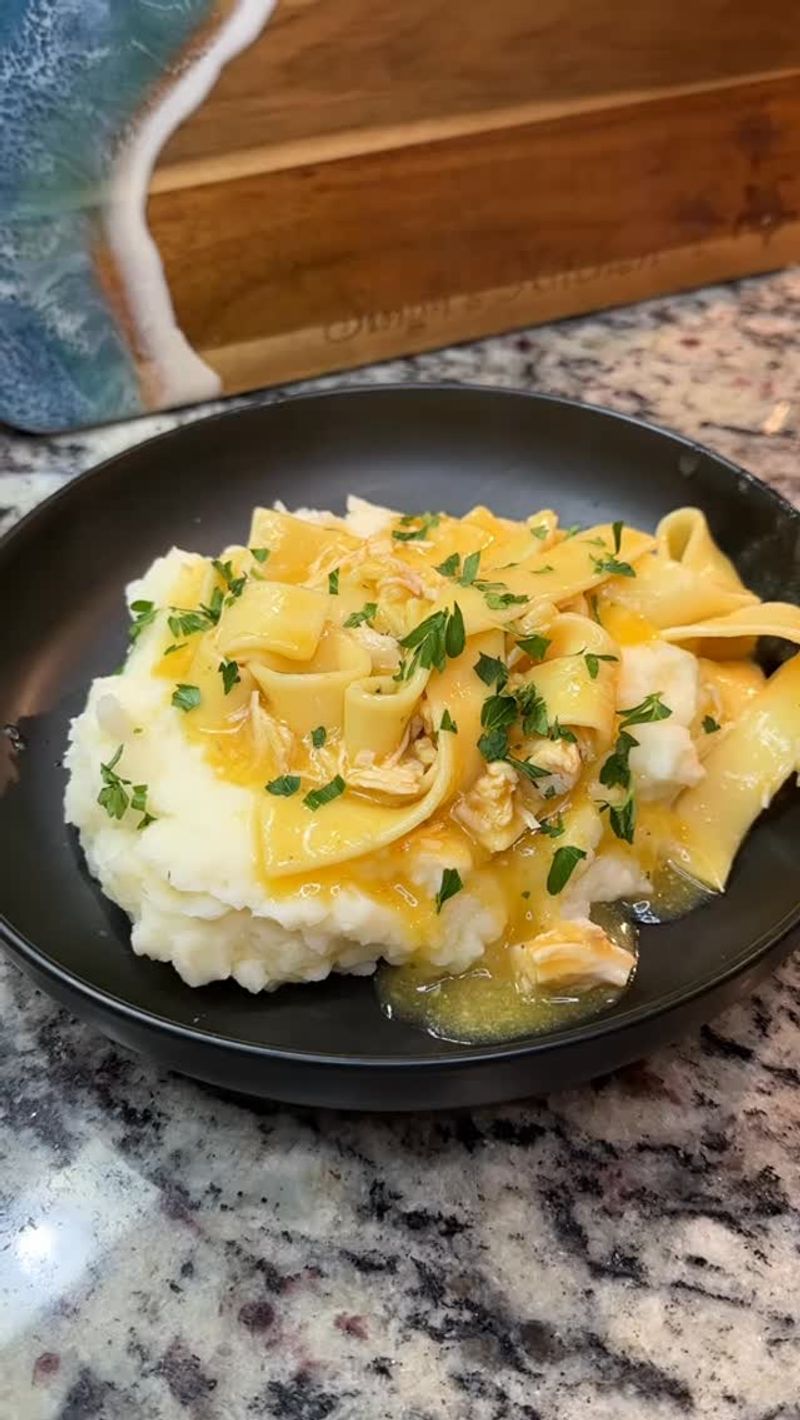
Starch on top of starch might sound odd, yet Hoosiers have made it a classic. Indiana chicken and noodles features thick, homemade egg noodles cooked in rich chicken broth.
Many people serve the whole saucy mix over mashed potatoes. The broth thickens as the noodles cook, so it ends up more like gravy than soup.
You will find it at church dinners, family reunions, and the Indiana State Fair. Making noodles from scratch only takes flour, eggs, and a rolling pin, plus a little patience.
Iowa: Loose Meat Sandwich Heaped With Crumbled Seasoned Beef on a Soft Bun
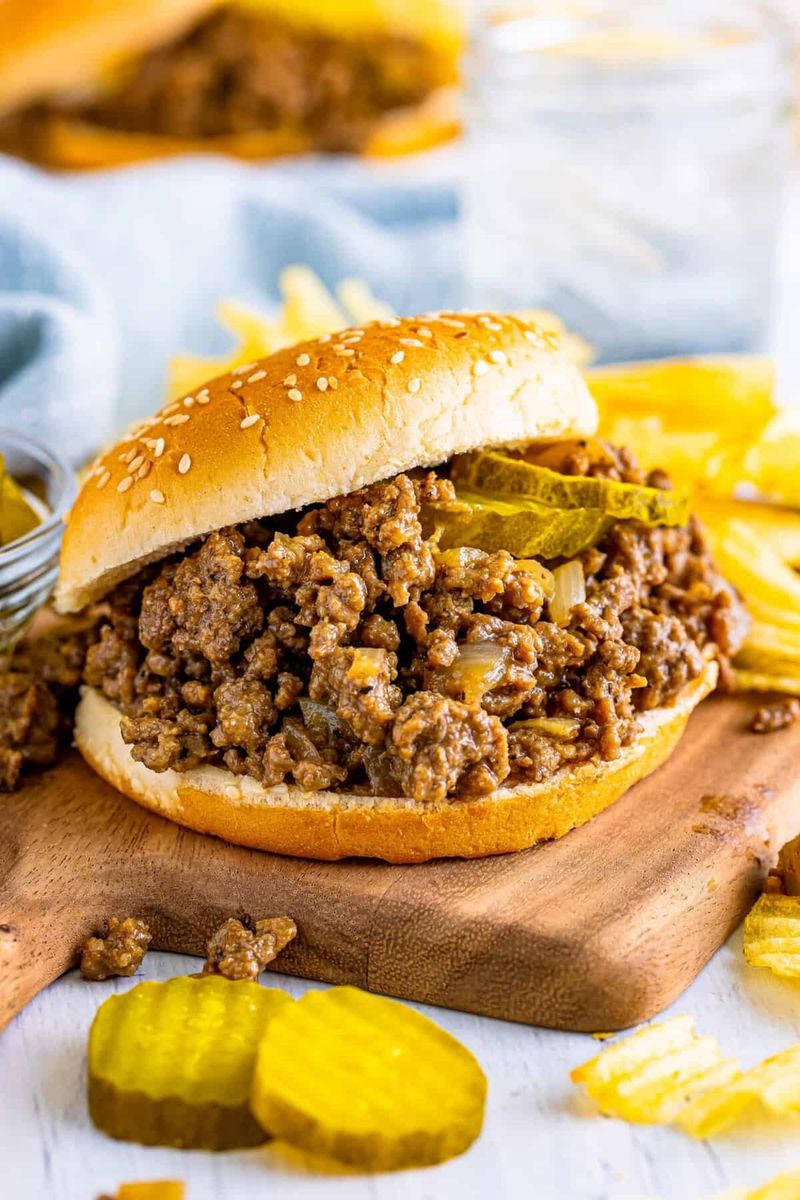
Imagine a burger that forgot to stick together, and you are close. The loose meat sandwich is strongly linked to Maid-Rite, which opened in Muscatine, Iowa, in 1926.
Instead of a patty, cooks steam and season crumbled ground beef. They scoop it onto a soft bun, often with mustard, pickles, and onions.
Bites tend to fall apart, so many people eat the leftovers with a spoon. It is a quick, hot lunch, and it is easy to make at home with one skillet.
Kansas: Chili and Cinnamon Rolls Served Side by Side on One Tray
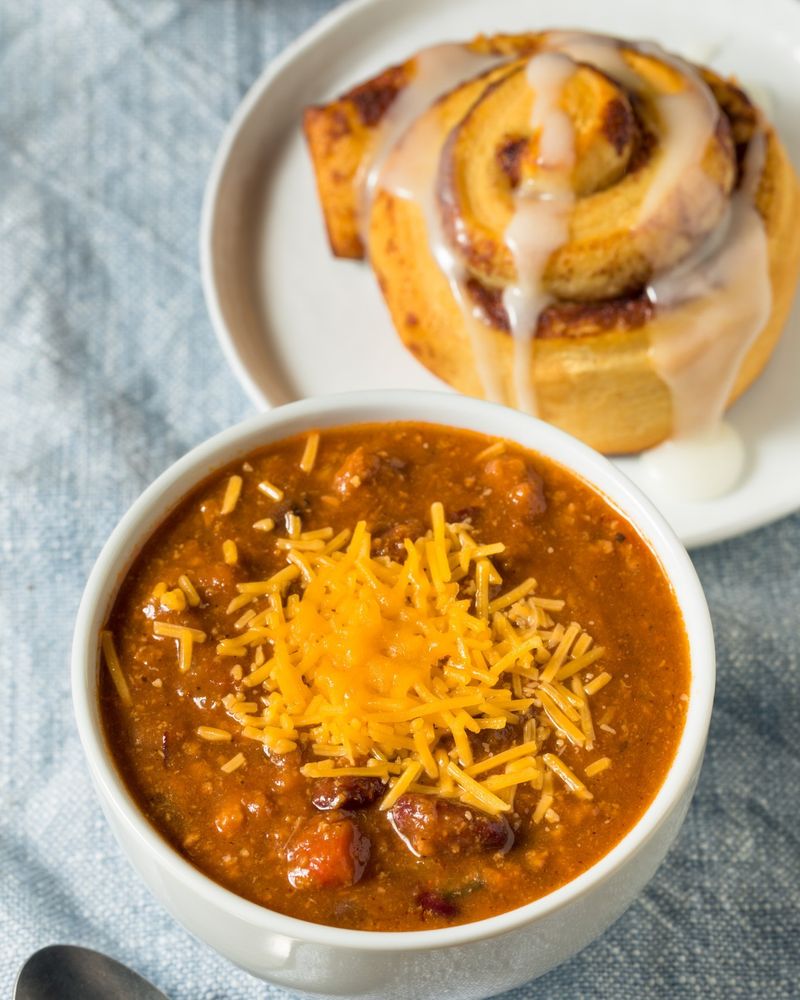
Sweet rolls and chili on the same tray sound like a mix-up, but Kansans know better. The pairing is a long-running tradition in Kansas school lunches and family kitchens.
A bowl of beef chili comes with a big cinnamon roll on the side. Some people dunk the roll right into the chili, while others save it for dessert.
Many Kansans remember it as a favorite school lunch day. Try one dunk before you judge, since the spicy-sweet combo makes more sense than you might expect.
Kentucky: Burgoo Simmers Mixed Meats and Vegetables for Hours in Giant Kettles
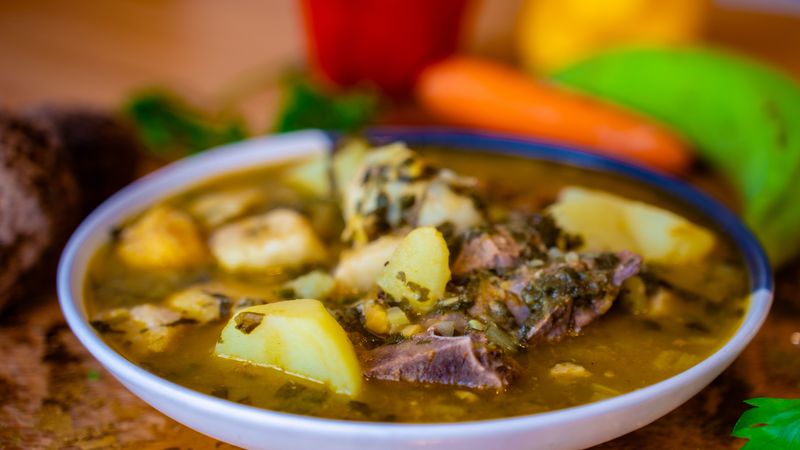
Some stews feed a family, while burgoo was built to feed a crowd. The thick Kentucky stew is famously cooked in huge kettles for picnics and political rallies.
Recipes vary widely, but most mix several meats with corn, lima beans, tomatoes, and potatoes. Mutton is common in Owensboro, where burgoo is a big part of local food identity.
The stew cooks for hours, and that long simmer is the secret. Everything breaks down until you can barely tell one ingredient from another.
Louisiana: Gumbo Ladled Over White Rice With a Dark, Rich Roux
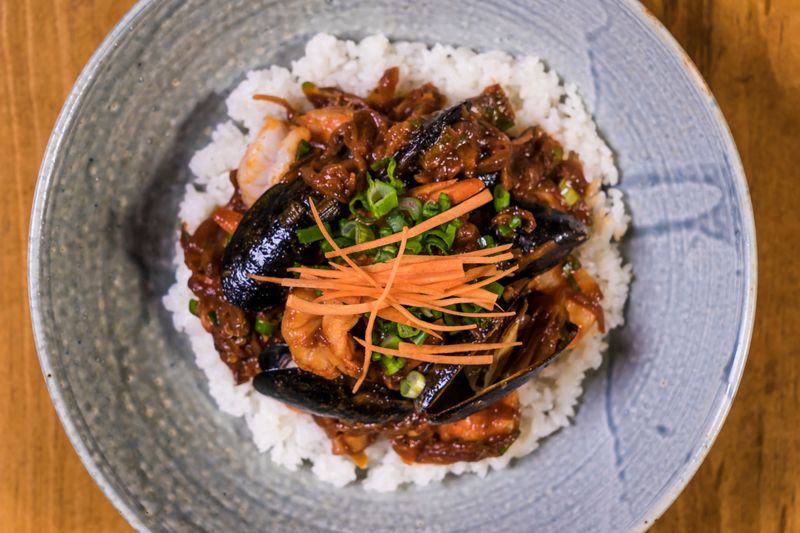
Louisiana's legislature named gumbo the official state cuisine in 2004. That is a big title for one pot of stew, but gumbo earns it.
The dish usually starts with a roux, flour cooked in fat until it turns brown. Cooks add the onion, celery, and bell pepper combo, then sausage, chicken, or seafood.
Gumbo reflects West African, French, Spanish, and Native American influences. The word itself is often linked to a West African word for okra, a common gumbo ingredient.
Maine: Lobster Stew Floats Butter-Kissed Lobster in Creamy Milk Broth
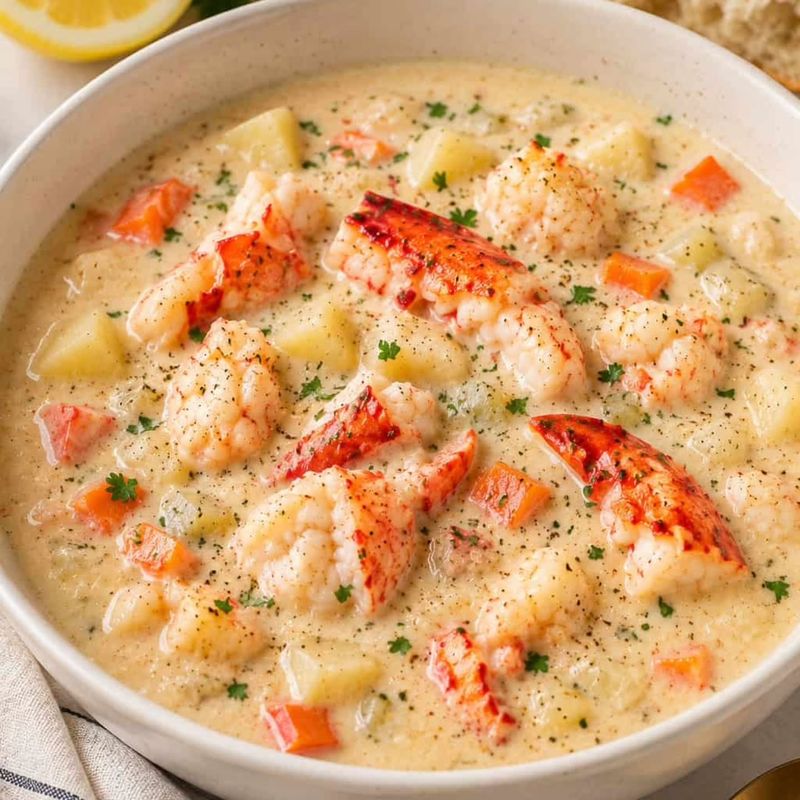
Maine lobster stew is so simple it almost feels like a trick. Big chunks of lobster meat get sautéed in butter, then gently heated with milk or cream.
That is basically it, with no flour and no long ingredient list. The butter turns the broth a soft orange color from the lobster shells and meat.
Many Maine cooks say the stew tastes even better the next day. Let it rest in the fridge overnight, then reheat it gently so the milk does not curdle.
Maryland: Crab Soup Packs Blue Crab and Vegetables Into a Spicy Tomato Broth
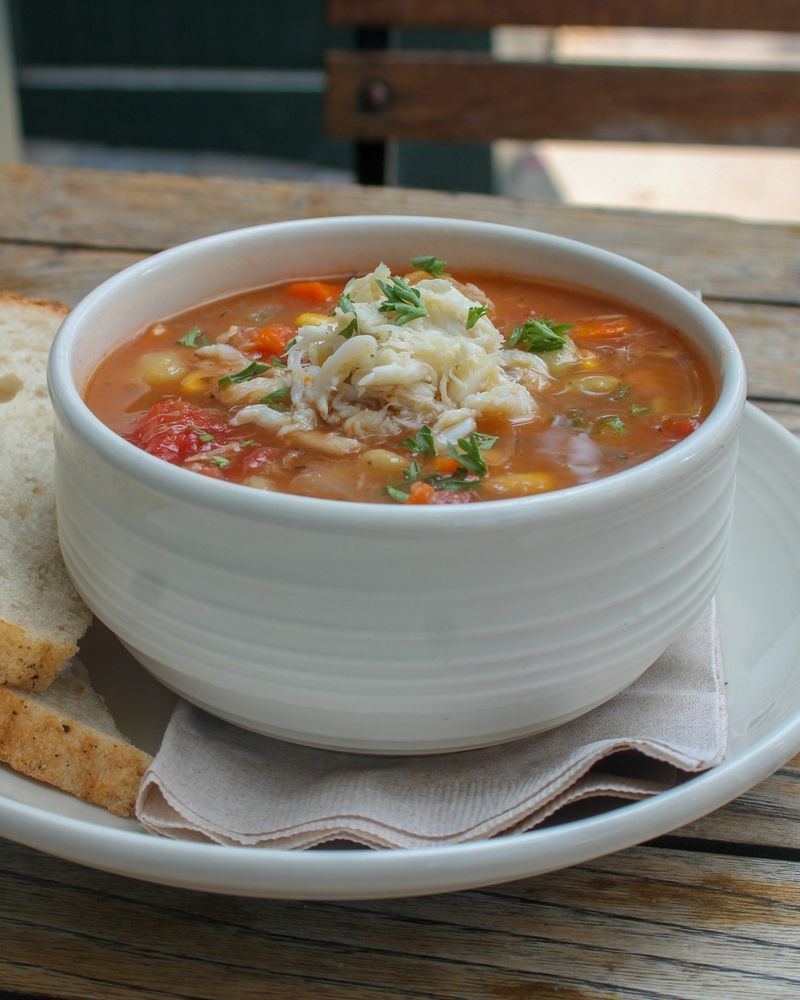
Blue crab is Maryland's pride, and it shows up in soup as often as on picnic tables. Maryland crab soup is a tomato-based vegetable soup loaded with crab meat.
Cooks add corn, green beans, potatoes, carrots, and plenty of seafood seasoning. Some even toss in a few crab claws or pieces of shell-on crab for extra flavor.
Crab season peaks in warmer months, so many families freeze crab meat for later. That stash turns into hearty soup when the Chesapeake winds turn cold.
Massachusetts: New England Clam Chowder Steams Creamy and White With Oyster Crackers
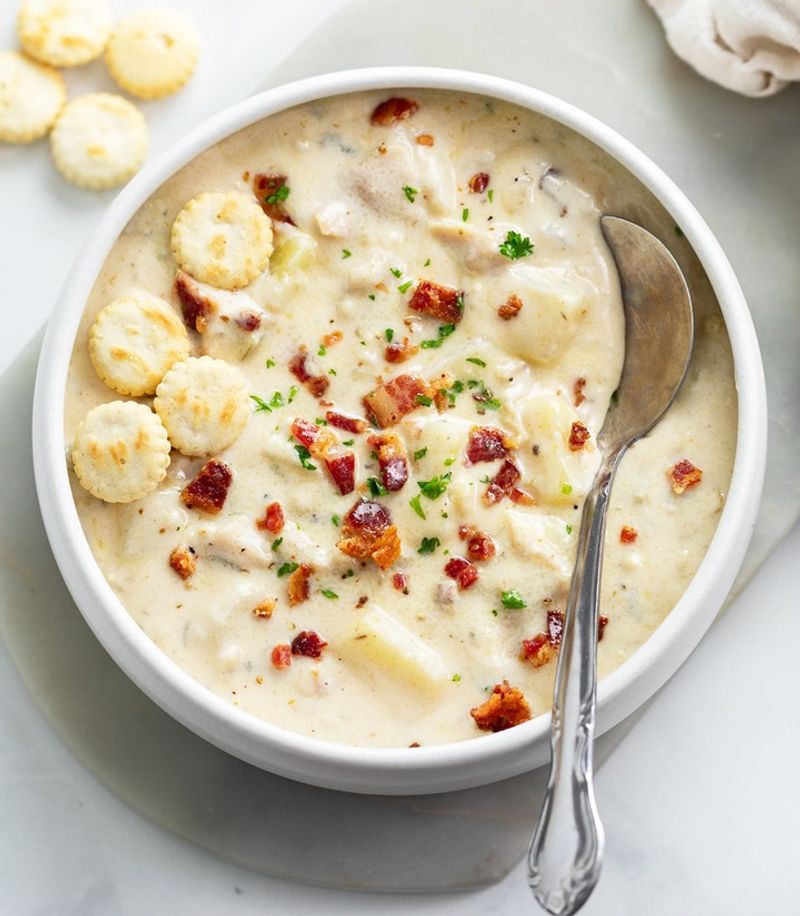
Tomatoes in clam chowder once got so much side-eye in New England that the debate became legendary. A Maine lawmaker reportedly even proposed banning tomatoes from chowder in the 1930s.
New England clam chowder sticks to a creamy, white base. It is packed with clams, potatoes, onions, and salt pork or bacon.
Boston restaurants made it famous, and chowder recipes appear in New England cookbooks dating back to the 1700s. Grab some oyster crackers, because crumbling them on top is part of the tradition.
Michigan: Upper Peninsula Pasty Folds Beef and Root Vegetables Into a Golden Crust
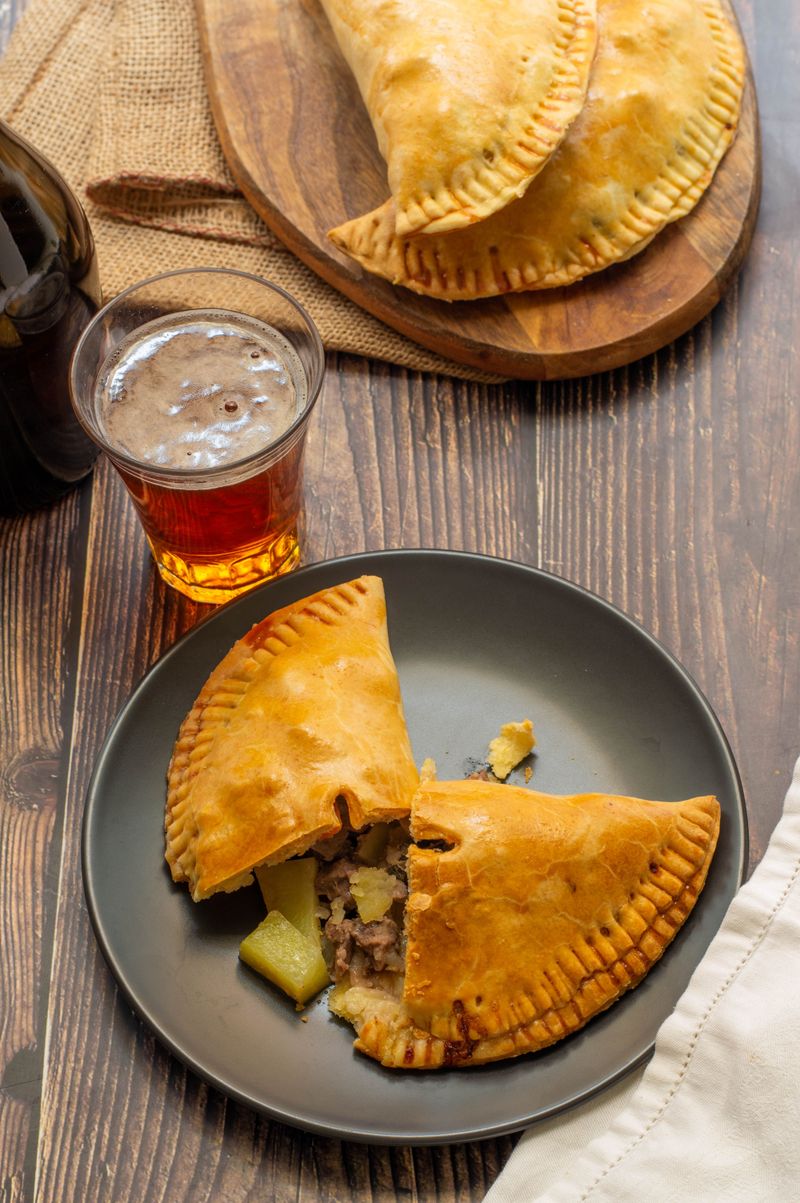
Miners needed a lunch they could carry deep underground, and the pasty was the answer. Cornish miners brought these hand pies to Michigan's Upper Peninsula in the 1800s.
Each pasty is a half-moon crust filled with beef, potatoes, onions, and often rutabaga. Workers from other backgrounds, including Finnish miners, adopted them too.
Debate still rages over gravy versus ketchup on top. Wherever you land, a hot pasty is a full meal you can hold in one hand.
Minnesota: Tater Tot Hotdish Bakes Golden Rows of Tots Over Beef and Creamy Sauce
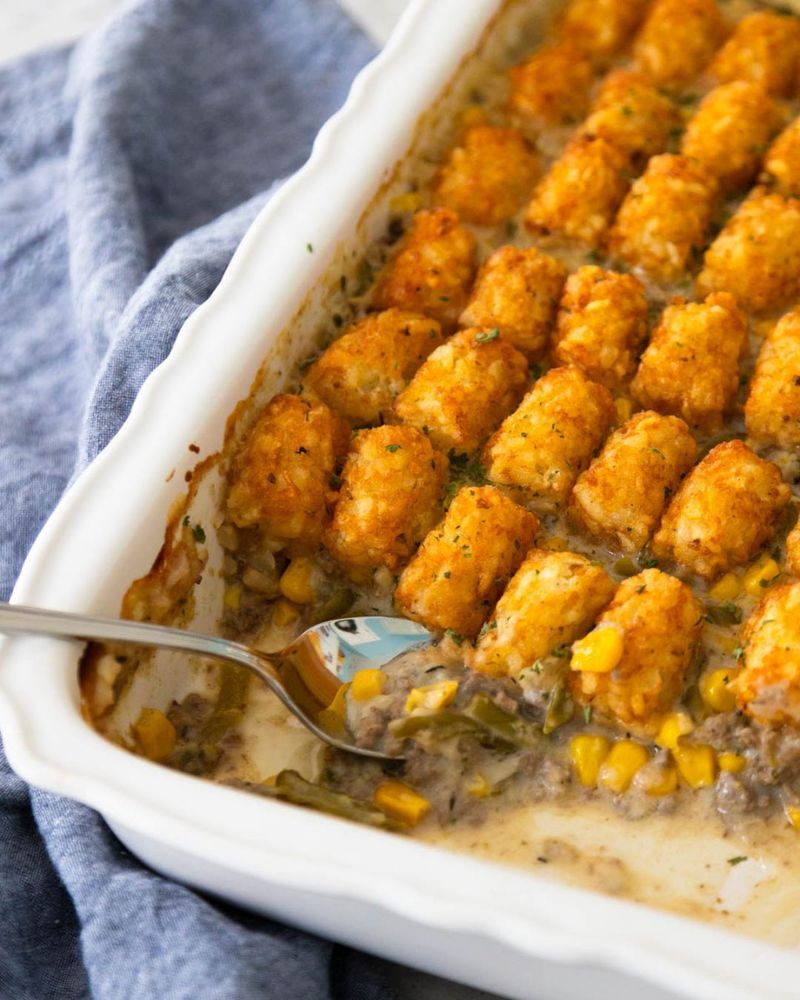
Call it a casserole in Minnesota and someone might gently correct you. Hotdish is the local name, and tater tot hotdish is the most famous version.
The recipe layers ground beef, vegetables, and canned cream soup in a baking dish. Rows of frozen tater tots go on top and bake until crispy.
Church basement potlucks helped make hotdish a Minnesota staple. Minnesota's congressional delegation even holds a friendly hotdish cooking contest in Washington.
Mississippi: Mississippi Pot Roast Falls Apart Under Butter and Tangy Pepperoncini
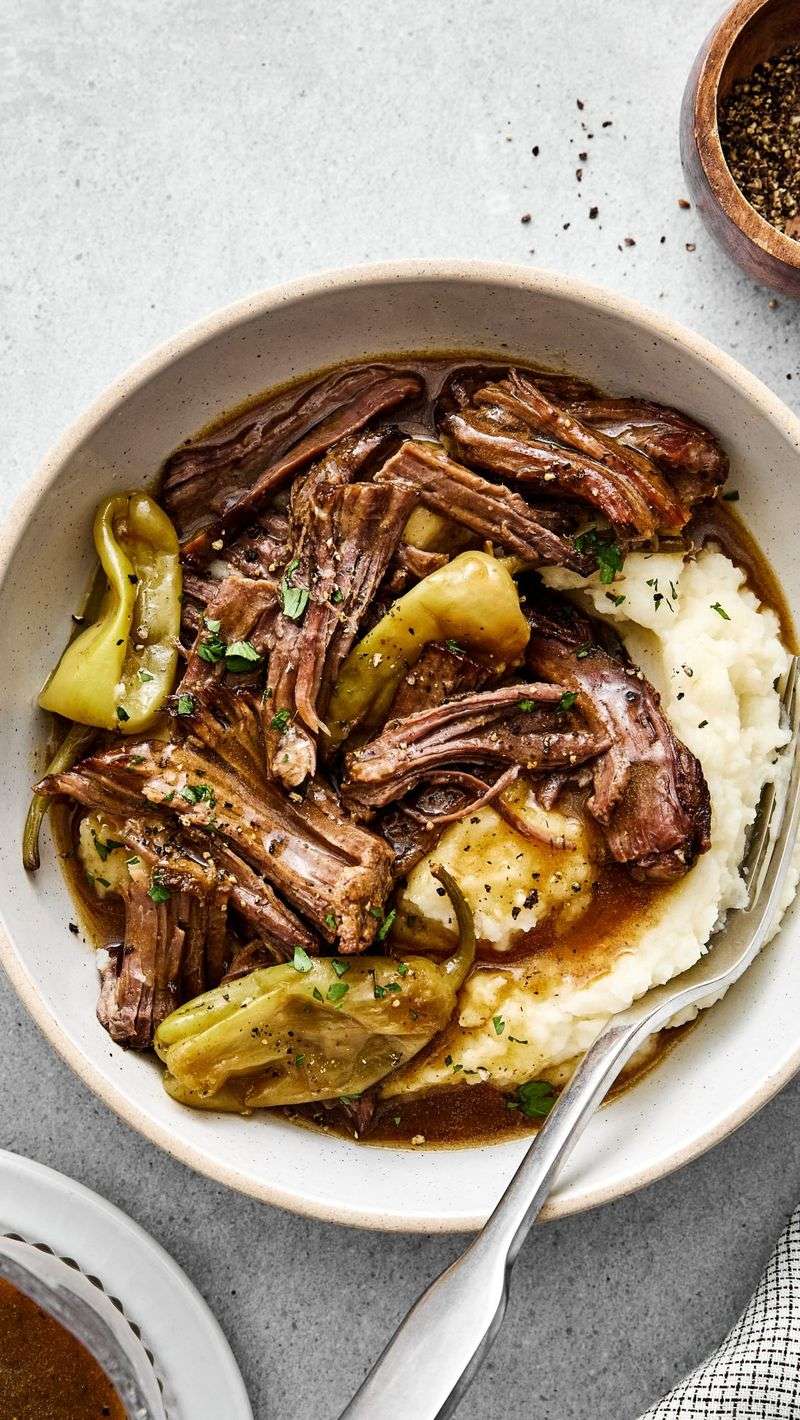
One of the internet's favorite slow-cooker recipes started in a Mississippi home kitchen. Robin Chapman of Ripley, Mississippi, is widely credited with creating Mississippi pot roast.
She developed it for her family, and the recipe later spread online and through newspapers. A chuck roast cooks low and slow with butter, ranch seasoning, gravy mix, and pepperoncini peppers.
The meat turns so tender you can shred it with a fork. Spoon it over mashed potatoes or rice and let the juicy, tangy sauce do the rest.
Missouri: St. Louis Toasted Ravioli Comes Crispy With Marinara for Dipping
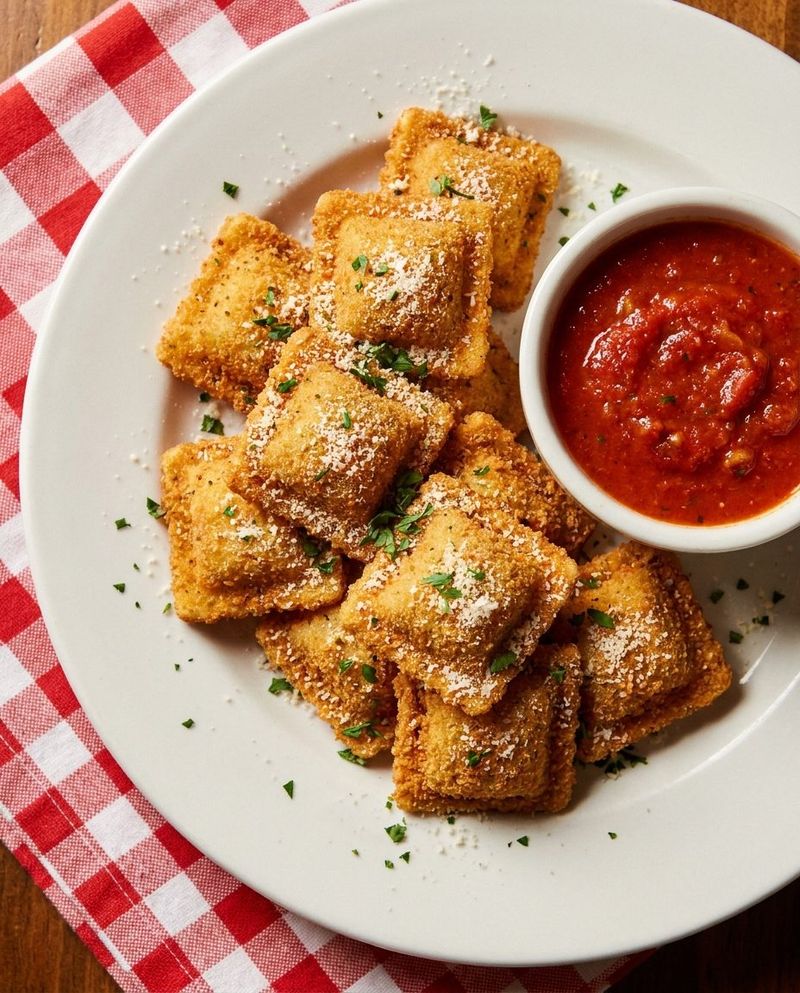
Legend says a cook accidentally dropped ravioli into hot oil instead of boiling water. St. Louis's Italian neighborhood, The Hill, gets credit for toasted ravioli.
More than one restaurant there has claimed to be first, so the exact origin is debated. The ravioli are breaded and fried until crisp, then dusted with grated cheese.
You dip them in marinara sauce, which makes them perfect for sharing. On a cold night, a plate of them disappears quickly, so make extra.
Montana: Butte Pork Chop Sandwich Stacks a Fried Pork Cutlet on a Soft Bun
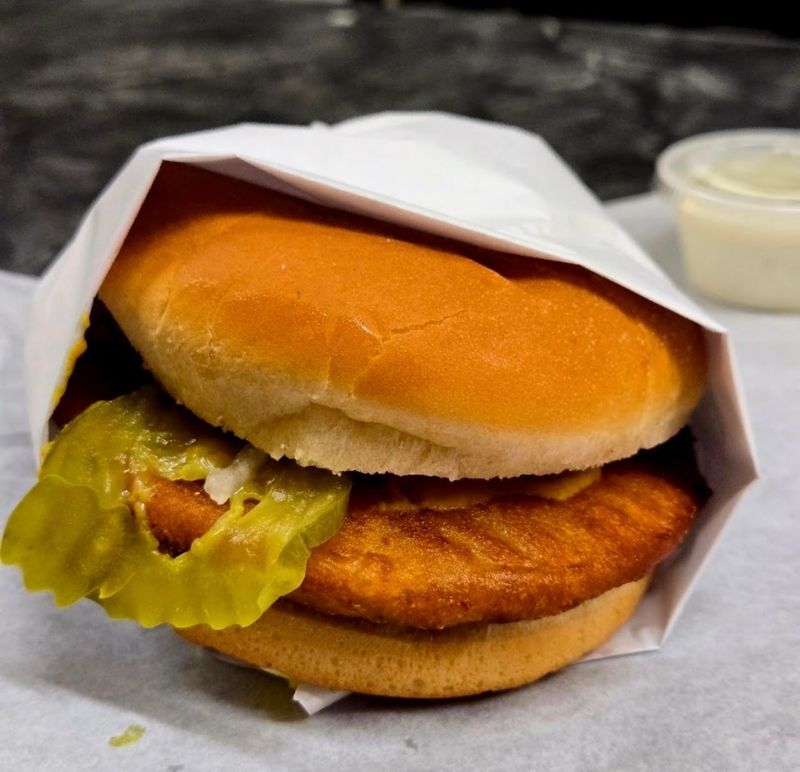
Butte's mining history shaped its food, and this hot sandwich is a big example. Pork Chop John's started selling pork chop sandwiches in Butte in 1924.
Despite the name, the filling is usually a breaded, fried pork cutlet without a bone. It comes on a soft bun with pickles, onions, and mustard.
Miners needed something filling and quick, and this delivered. Today the sandwich remains a well-known part of Butte's food identity.
Nebraska: Runza Bakes Seasoned Beef and Cabbage Inside a Soft Bread Pocket
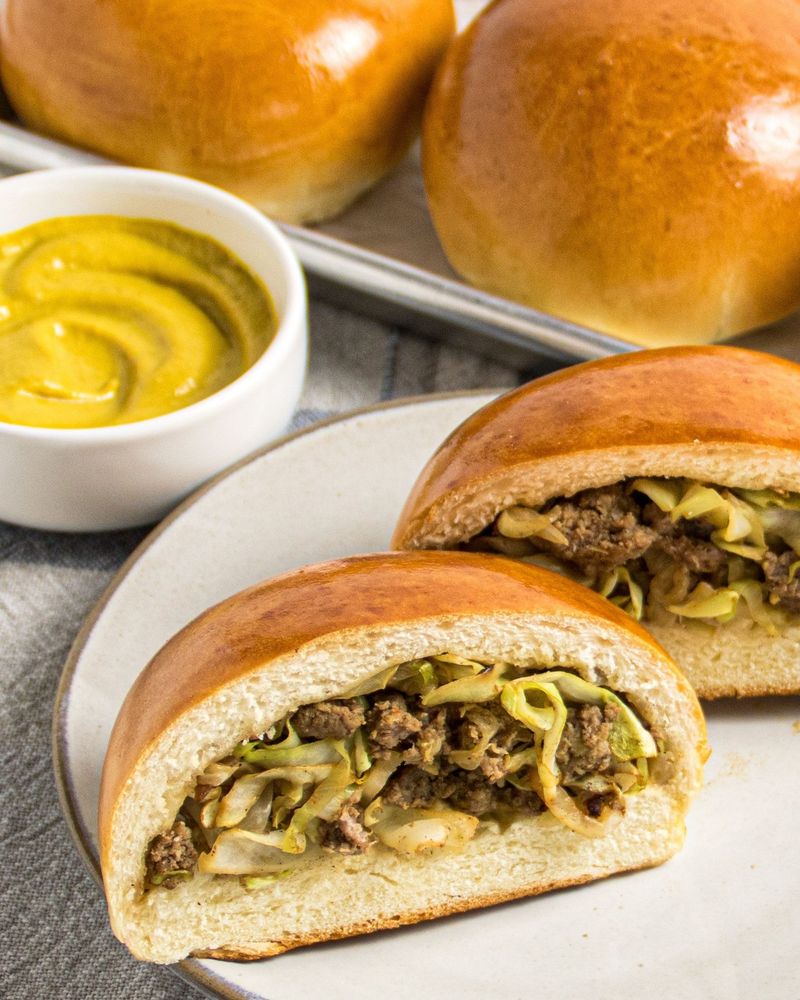
Nebraska's favorite hand-held meal has roots with German families who once lived in Russia. These Volga German immigrants brought stuffed bread pockets to the Great Plains.
The runza holds ground beef, cabbage, and onions inside soft baked dough. In 1949, Sally Everett and her brother opened the first Runza drive-in in Lincoln.
The restaurant chain helped make the name famous across the state. A runza is easy to make ahead, freeze, and reheat on busy winter days.
Nevada: Basque Lamb Stew Served Family-Style in Big Steaming Bowls
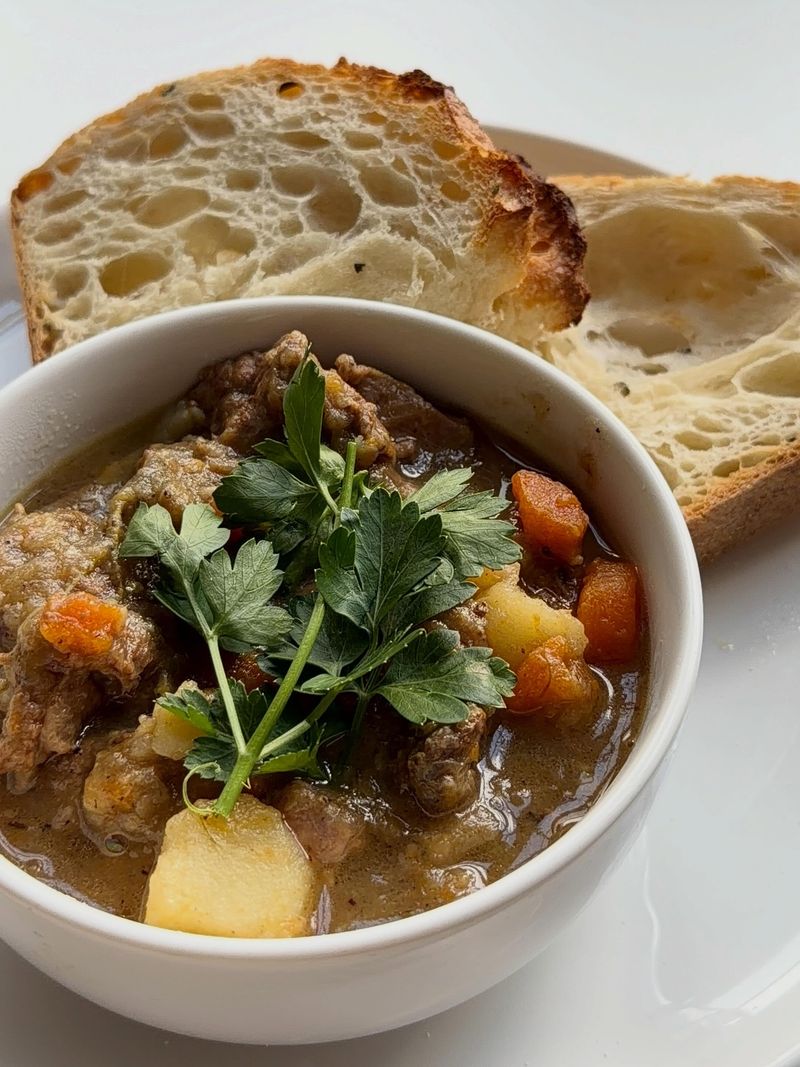
Sheepherders from the Basque region of Spain and France helped shape Nevada's food history. Many came to work in the state's sheep ranching industry in the late 1800s and early 1900s.
Basque boarding houses in towns like Elko and Winnemucca served meals at long shared tables. Dishes often included hearty lamb stews with potatoes, peppers, and garlic.
Family-style dining meant everyone passed big bowls down the table. Lamb stew remains a common feature of Basque food traditions in northern Nevada.
New Hampshire: New England Boiled Dinner Fills a Platter With Corned Beef and Root Vegetables
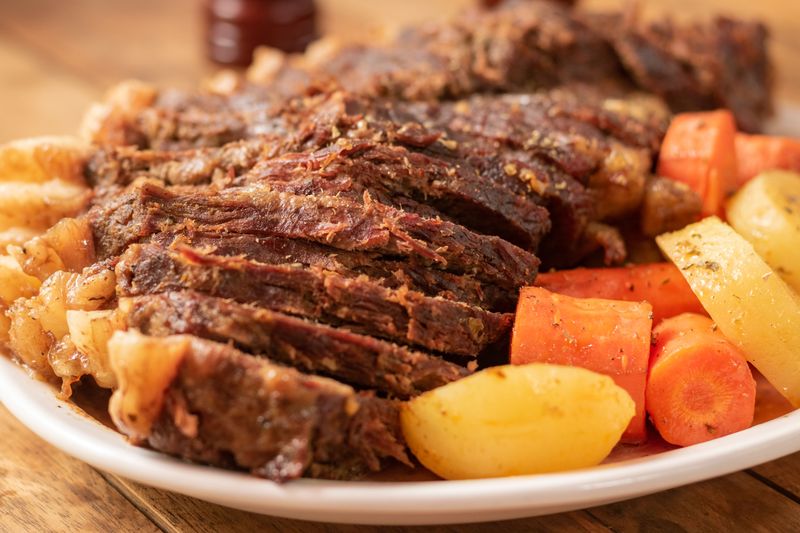
One pot, a few hours, and dinner basically makes itself. The New England boiled dinner has long been a home-kitchen staple in New Hampshire and the region.
Corned beef simmers with cabbage, carrots, potatoes, and turnips. Everything comes out tender and gets piled onto one big platter.
Leftovers often turn into red flannel hash, colored by beets. That second meal is a smart way to use every last bite.
New Jersey: Pork Roll, Egg, and Cheese Stacked Hot on a Kaiser Roll
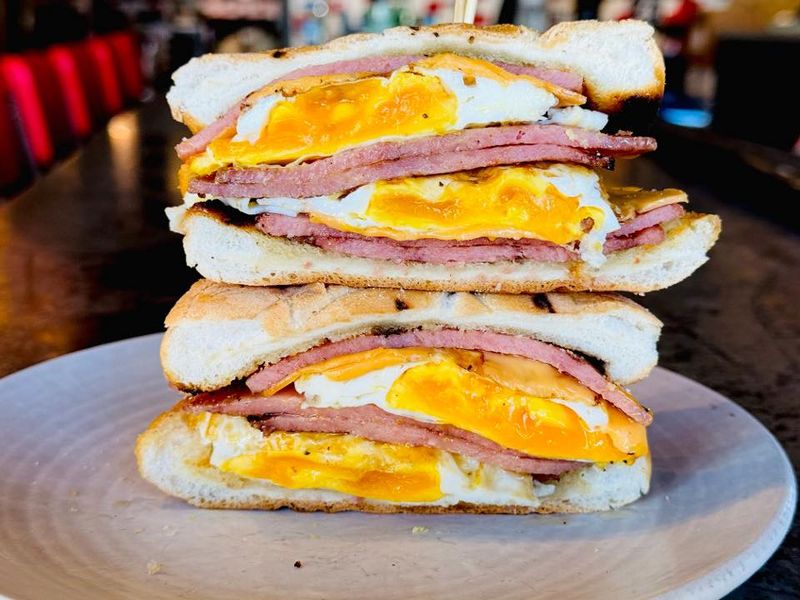
North Jersey calls it Taylor ham, South Jersey says pork roll, and the argument never ends. The processed pork product dates to the late 1800s in Trenton.
John Taylor is credited with selling it under his name. Slices are fried until the edges curl, then stacked with egg and cheese on a kaiser roll.
It is a hot, filling breakfast for chilly mornings. Cut a few slits around the edges before frying so the slices lie flat.
New Mexico: Green Chile Stew Simmers Roasted Chiles, Pork, and Potatoes
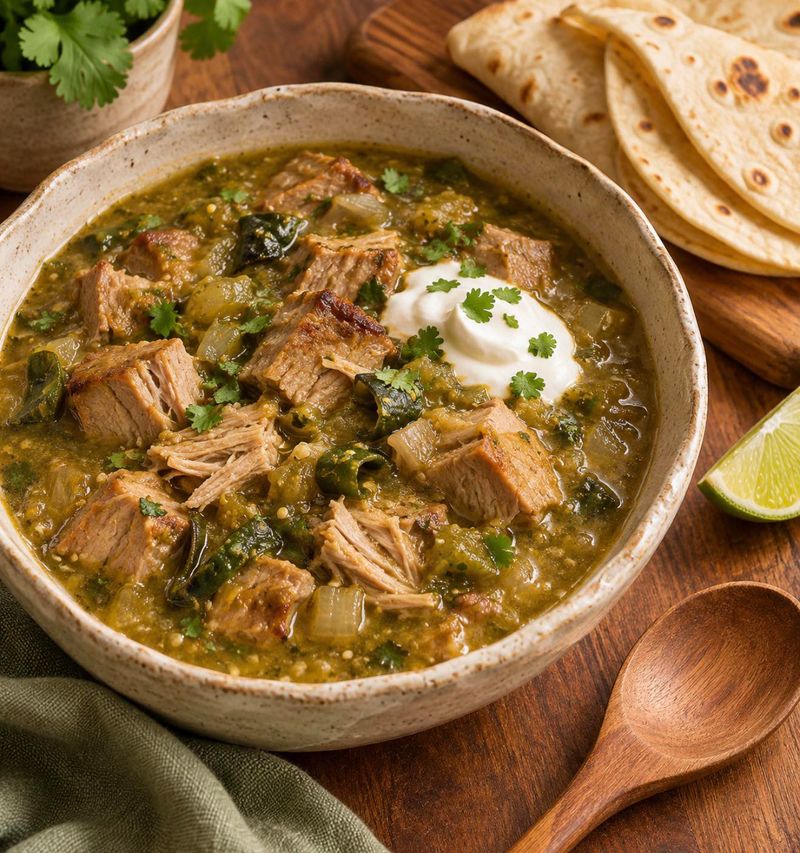
New Mexico made chile and frijoles its official state vegetables in 1965. Green chile stew puts those roasted chiles front and center.
Cooks simmer pork or beef with potatoes, onions, and plenty of roasted green chiles. The broth turns spicy and smoky, and a tortilla often comes on the side.
Every fall, the smell of roasting chiles drifts through grocery parking lots across the state. Many families freeze bags of them for stew all winter.
New York: Beef on Weck Piles Rare Roast Beef on a Salty Caraway Roll
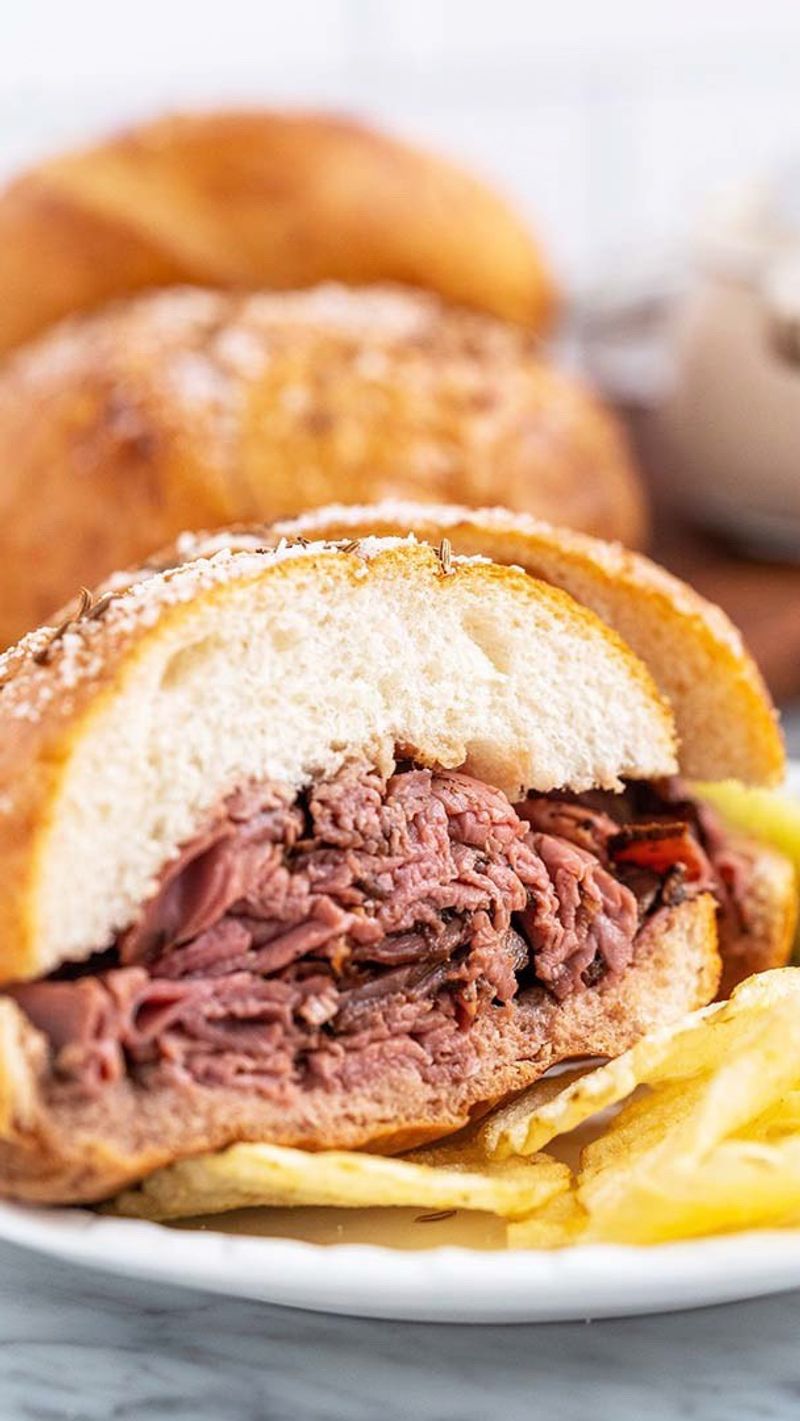
Buffalo has a famous chicken wing, but locals have another hot sandwich worth knowing. Beef on weck is thin-sliced roast beef on a kummelweck roll.
The roll is topped with coarse salt and caraway seeds. German immigrants in Buffalo are linked to the roll's history in the area.
The beef is often dipped in its own juices and served with horseradish. It is a hearty sandwich that fits right in during Buffalo's snowy winters.
North Carolina: Chicken Pastry Simmers Flat Dough Strips in Rich Chicken Broth
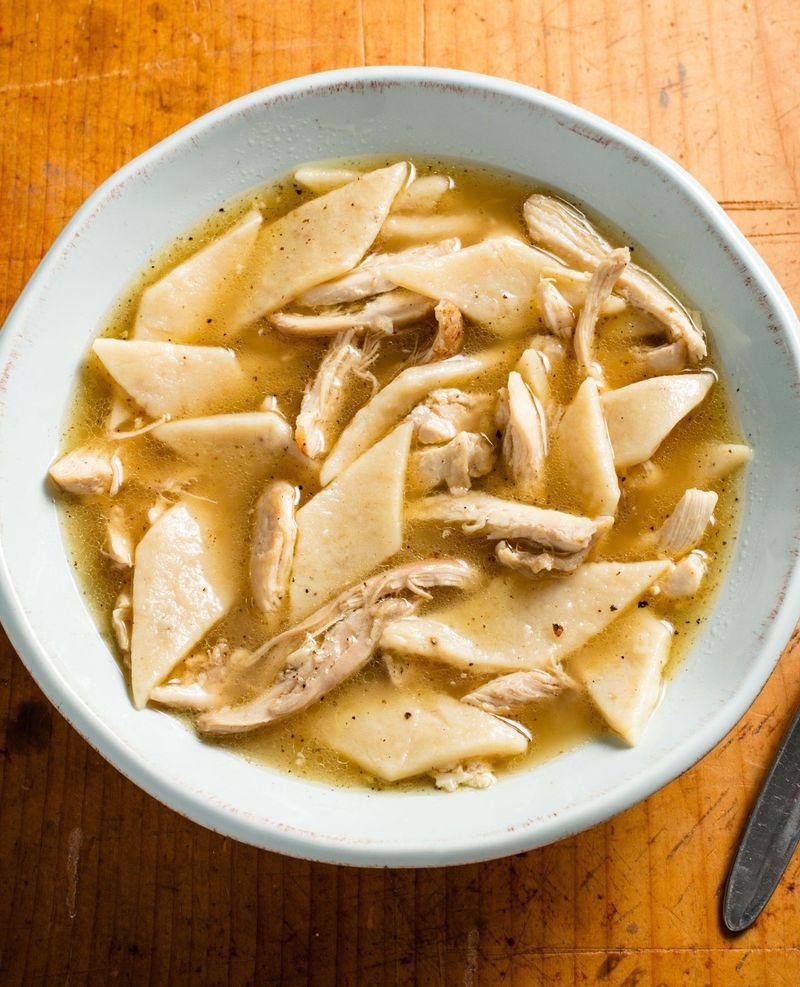
In eastern North Carolina, "pastry" does not mean pie crust. Chicken pastry is a dish of flat dough strips simmered in chicken broth.
It resembles chicken and dumplings but uses thin, noodle-like strips. Shredded chicken and black pepper round out the bowl.
The dish shows up at family gatherings and church suppers in the region. Stores in North Carolina even sell frozen pastry strips for easy cooking.
North Dakota: Knoephla Soup Fills Bowls With Pillowy Dumplings and Potatoes
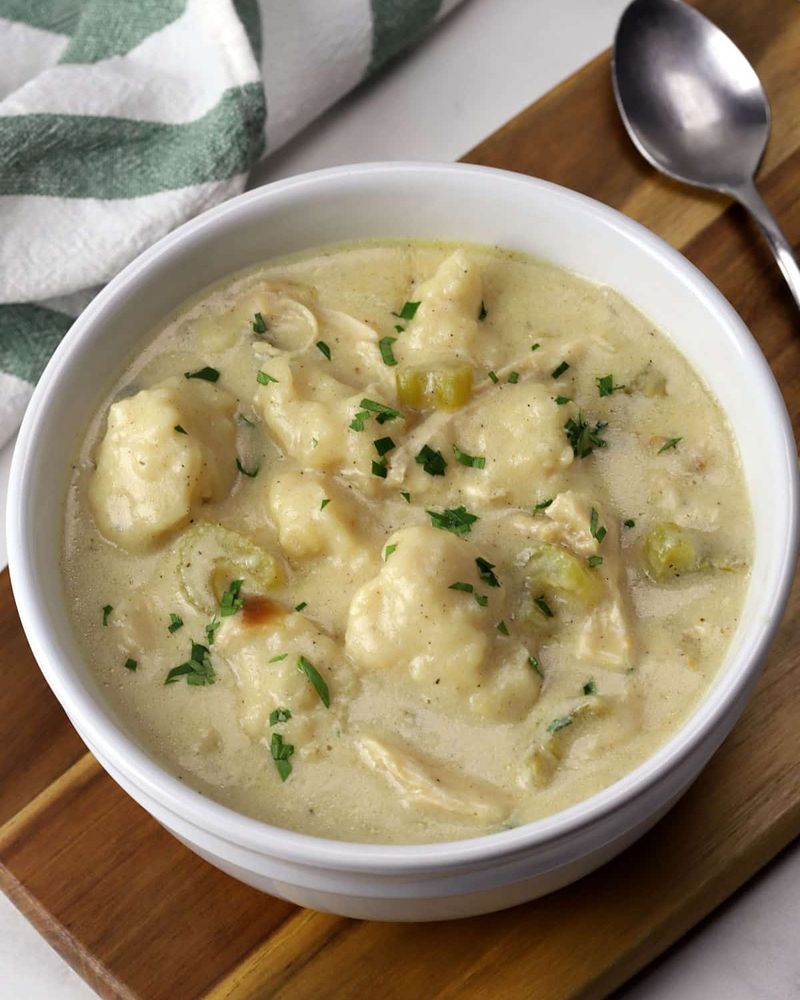
German-Russian settlers brought knoephla to the northern plains, and the soup stayed. Knoephla means small dumplings, and they are the star here.
The creamy chicken soup holds soft dumplings, potatoes, and celery. Many North Dakota cafes and diners have it on the menu.
It is thick, filling, and made from simple ingredients. If you make dumplings at home, keep them small so they cook evenly.
Ohio: Cincinnati Chili Spoons Cinnamon-Spiced Meat Sauce Over Spaghetti and Cheese
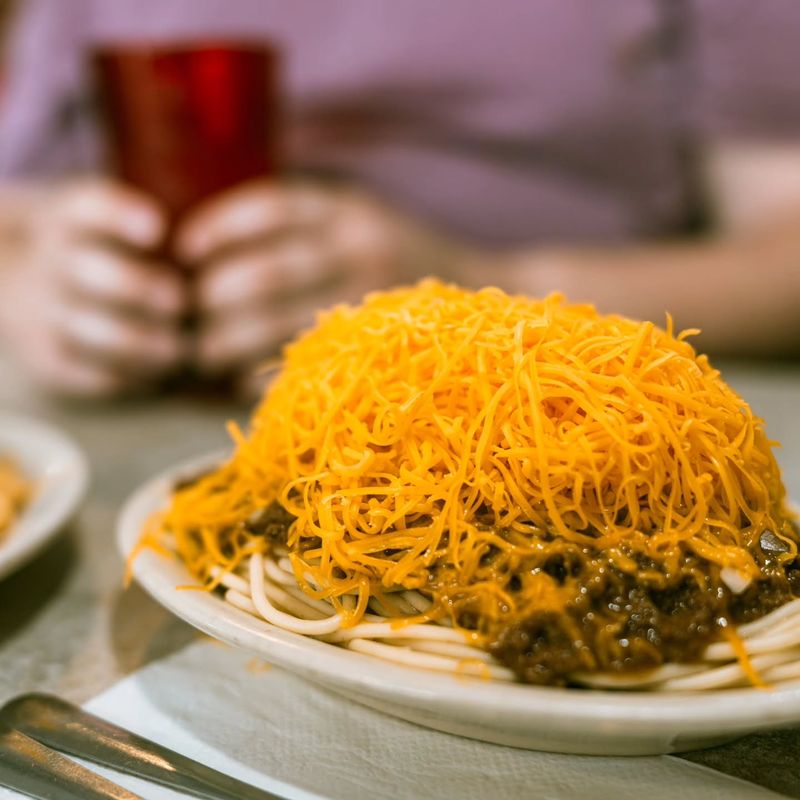
A plate of chili on spaghetti with a mountain of shredded cheese is not a mistake. Cincinnati chili traces back to 1922, when Macedonian immigrants Tom and John Kiradjieff opened the Empress restaurant.
The meat sauce has a thin texture and spices like cinnamon and cloves. It is served over spaghetti and topped with finely shredded cheddar.
Orders come in "ways," such as three-way or four-way. Each added topping, like onions or beans, raises the count.
Oklahoma: Chicken Fried Steak Smothered in Creamy Pepper Gravy
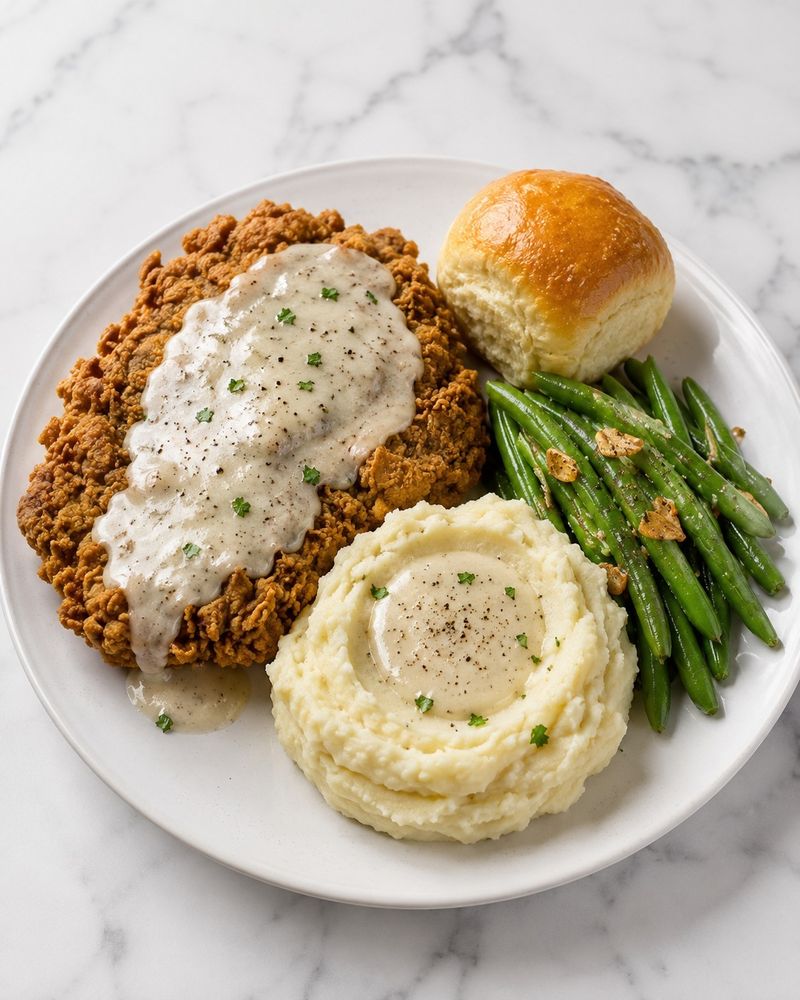
Oklahoma's official state meal, named in 1988, includes chicken fried steak. It shares the plate with foods like black-eyed peas and pecan pie.
The dish is tenderized beef steak, breaded and fried like chicken. Creamy white gravy with black pepper goes on top.
Mashed potatoes usually sit nearby to catch the extra gravy. It is a hearty plate made for a cold day.
Oregon: Marionberry Cobbler Bubbles Purple Under a Golden Biscuit Topping
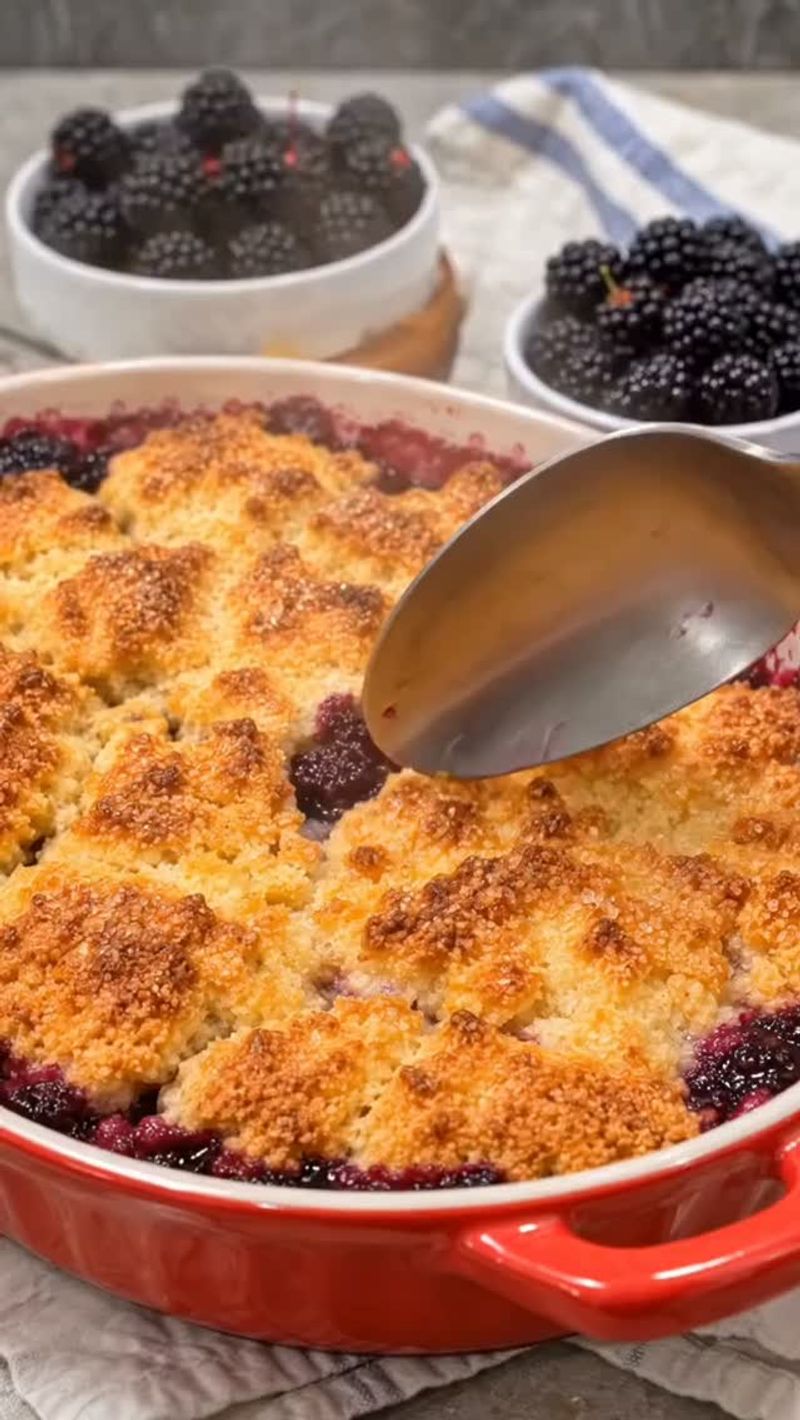
Oregon's marionberry was developed through a breeding program with Oregon State University. It was released in 1956 and named for Marion County.
The berry is a type of blackberry with deep flavor. Cobbler bakes the berries under a golden biscuit topping until the juices bubble.
Frozen marionberries make it possible to bake cobbler in winter. Serve it hot from the oven for the best results.
Pennsylvania: Dutch Chicken Pot Pie Simmers Square Noodles in Broth, No Crust Needed
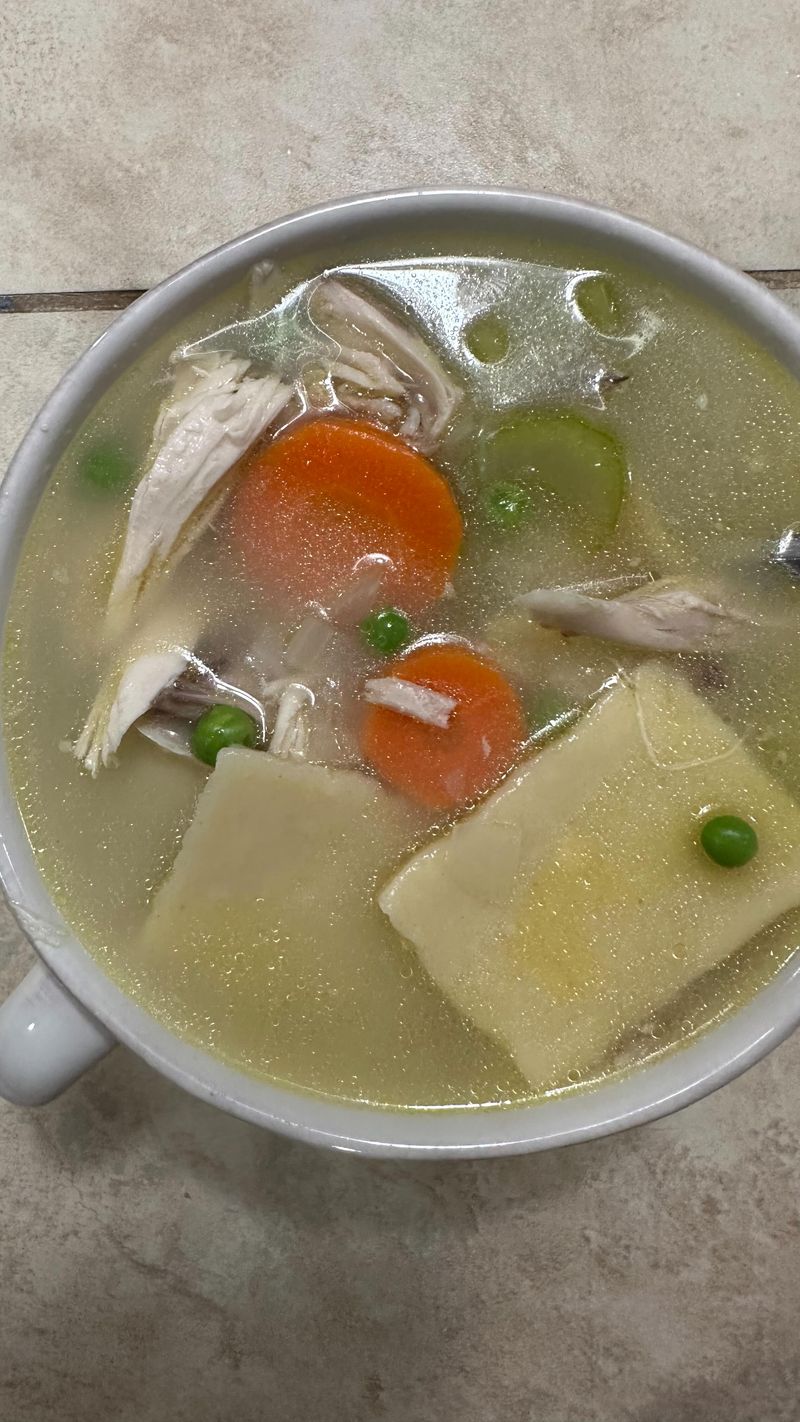
Expect a crust and you will be surprised. Pennsylvania Dutch chicken pot pie is a stew with thick, square noodles.
The Pennsylvania Dutch, descendants of German-speaking settlers, keep this tradition alive. Chicken, potatoes, and noodle squares simmer together in broth.
Many fire halls and churches hold pot pie suppers. The dough cooks right in the pot, so it thickens the broth naturally.
Rhode Island: Johnnycakes Fry Up Golden From White Cornmeal
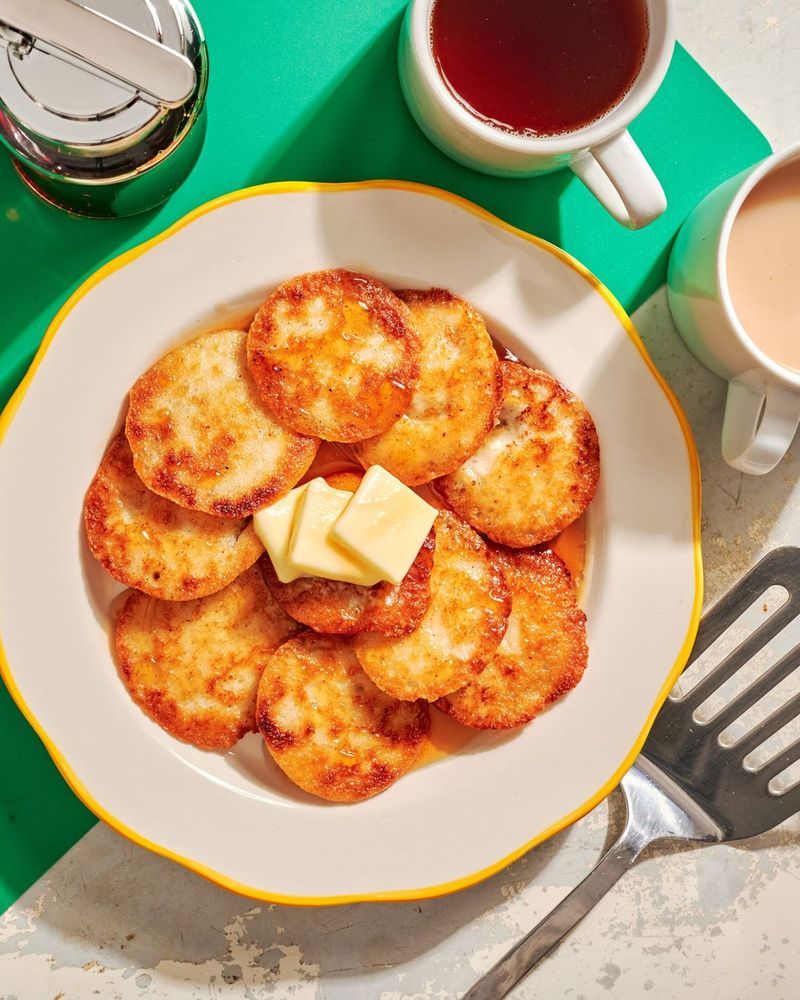
Rhode Island takes its cornmeal seriously, especially white flint corn. Johnnycakes are thin or thick cornmeal cakes cooked on a griddle.
The dish has roots in Native American cornmeal cooking that colonists learned. Some say the name came from journey cakes, though the origin is uncertain.
Families serve them hot with butter or syrup. They make a simple, filling breakfast on a chilly coastal morning.
South Carolina: Chicken Bog Cooks Rice, Chicken, and Sausage Into One Hearty Pot
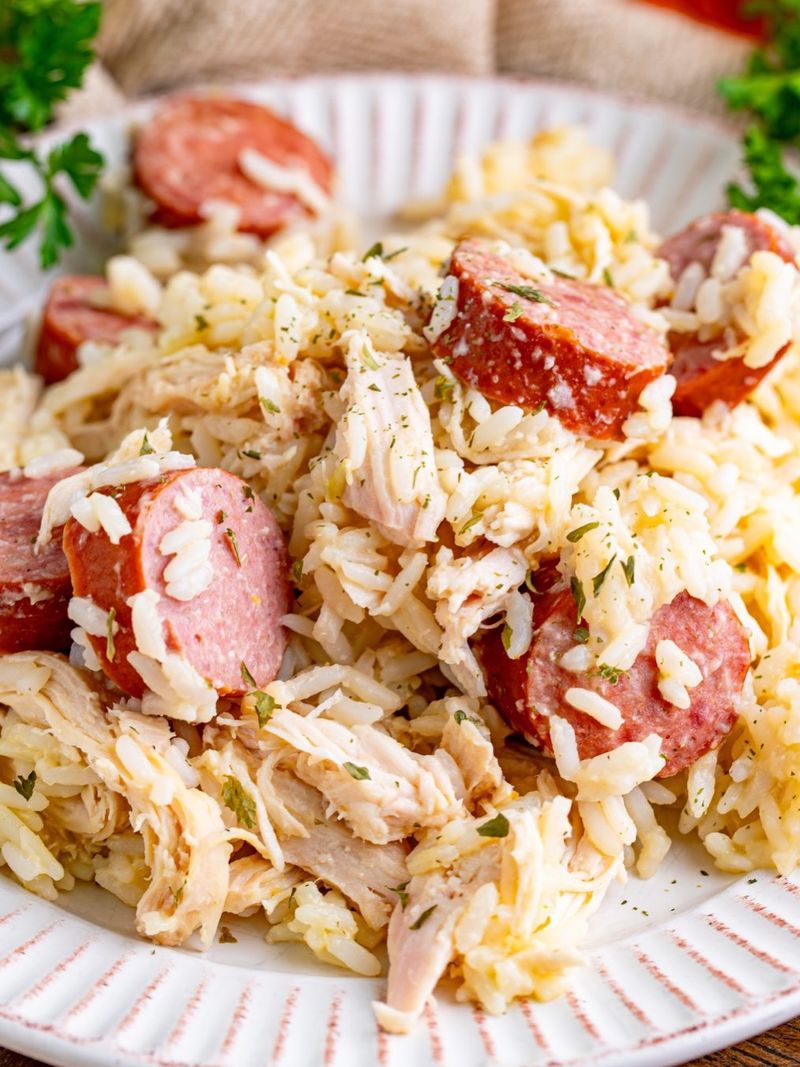
Loris, South Carolina, hosts an annual festival called the Loris Bog-Off. That alone tells you how much the region loves chicken bog.
The dish is rice cooked with chicken and smoked sausage. It turns out moist and heavy, almost like a pilaf.
The Pee Dee region is most associated with it. Big pots feed crowds at gatherings, and leftovers reheat easily.
South Dakota: Chislic Skewers Hot, Seasoned Cubes of Fried Meat
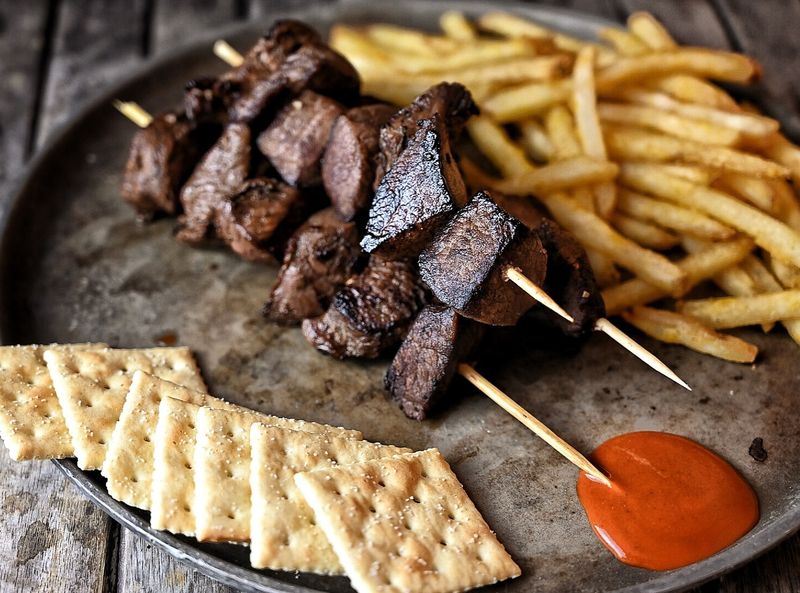
South Dakota named chislic its official state nosh in 2018. The word "nosh" means snack, but this one is filling.
Chislic is cubes of meat, often lamb or beef, that are fried or grilled. They are salted and eaten with toothpicks and crackers.
Freeman and nearby areas in southeastern South Dakota are linked to it. The meat is served hot, making it great when the prairie wind blows.
Tennessee: Nashville Hot Chicken Glows Red With Cayenne Atop White Bread
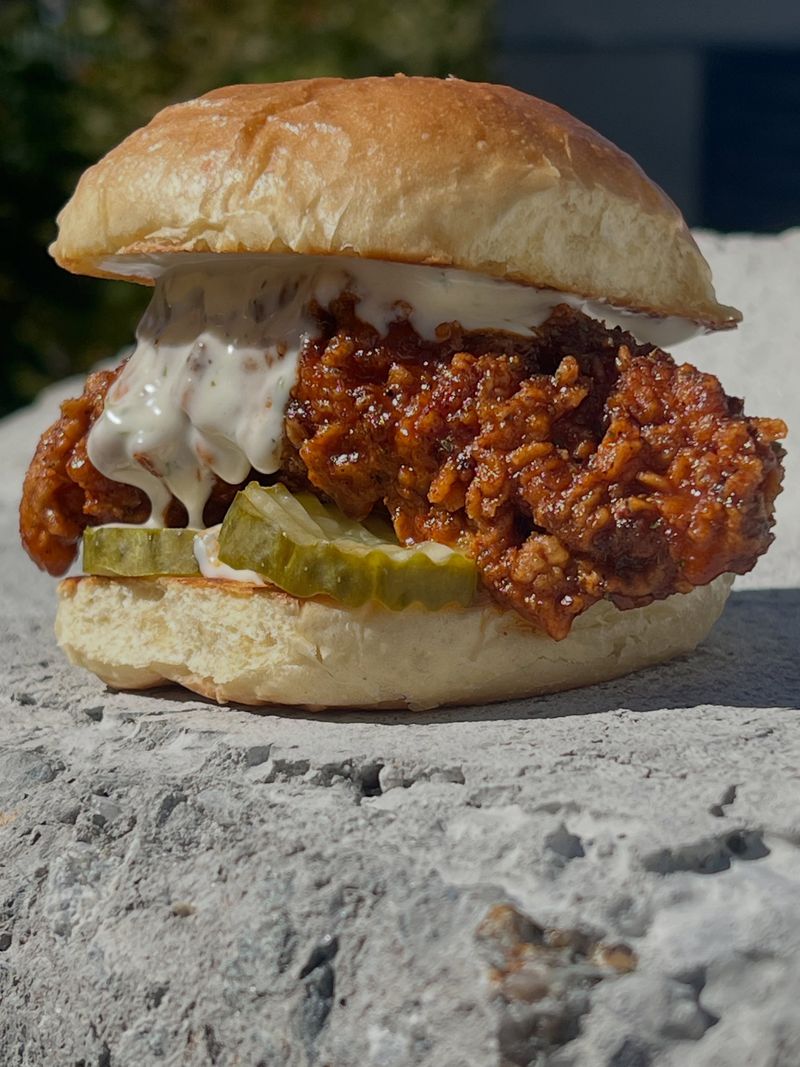
A revenge plot gone wrong may have created Nashville's spiciest dish. Legend says Thornton Prince's girlfriend spiced his chicken heavily to get back at him.
He liked it, and Prince's Hot Chicken Shack grew from there. The chicken is fried and coated in a cayenne paste.
It comes on white bread with pickles to tame the heat. Choose your spice level carefully, because some are very hot.
Texas: Chili Con Carne Simmers Beef and Red Chiles Into a Thick, Bean-Free Bowl
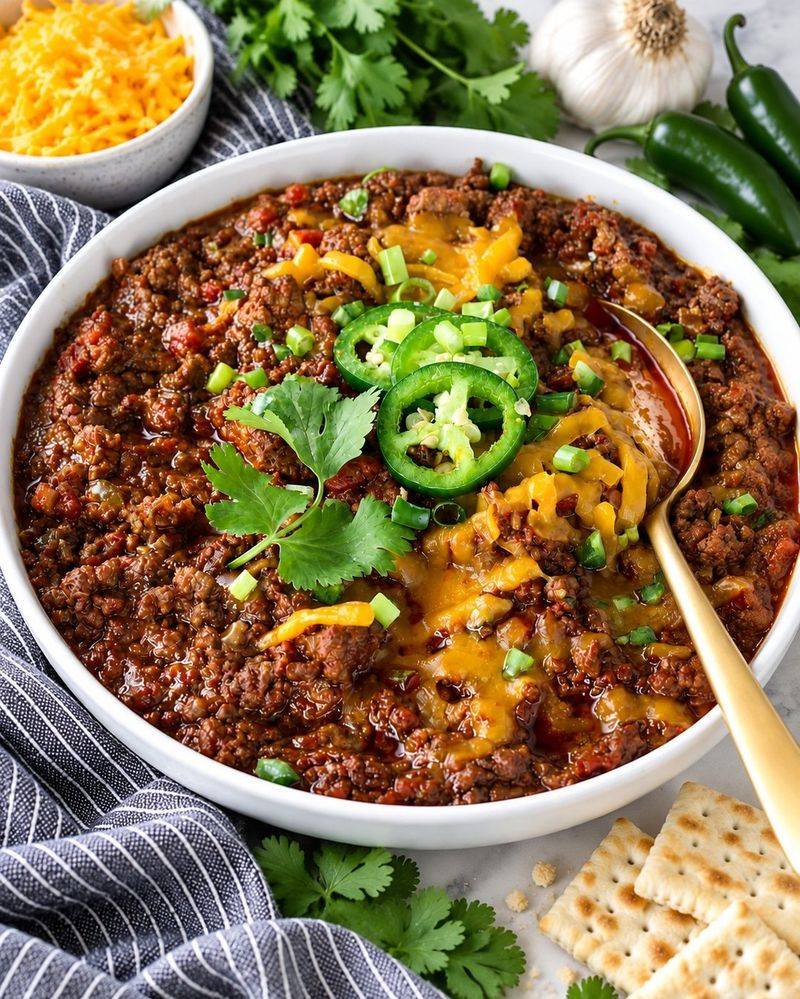
Texas made chili the official state dish in 1977. Many Texans prefer it without beans, though home cooks do it many ways.
Texas chili is beef simmered with dried red chiles and spices. San Antonio's chili queens sold it in public plazas in the late 1800s.
Chili cook-offs remain popular across the state. A bowl on a cold north Texas day is a classic choice.
Utah: Funeral Potatoes Bake Cheesy and Creamy Under a Crunchy Cornflake Crust
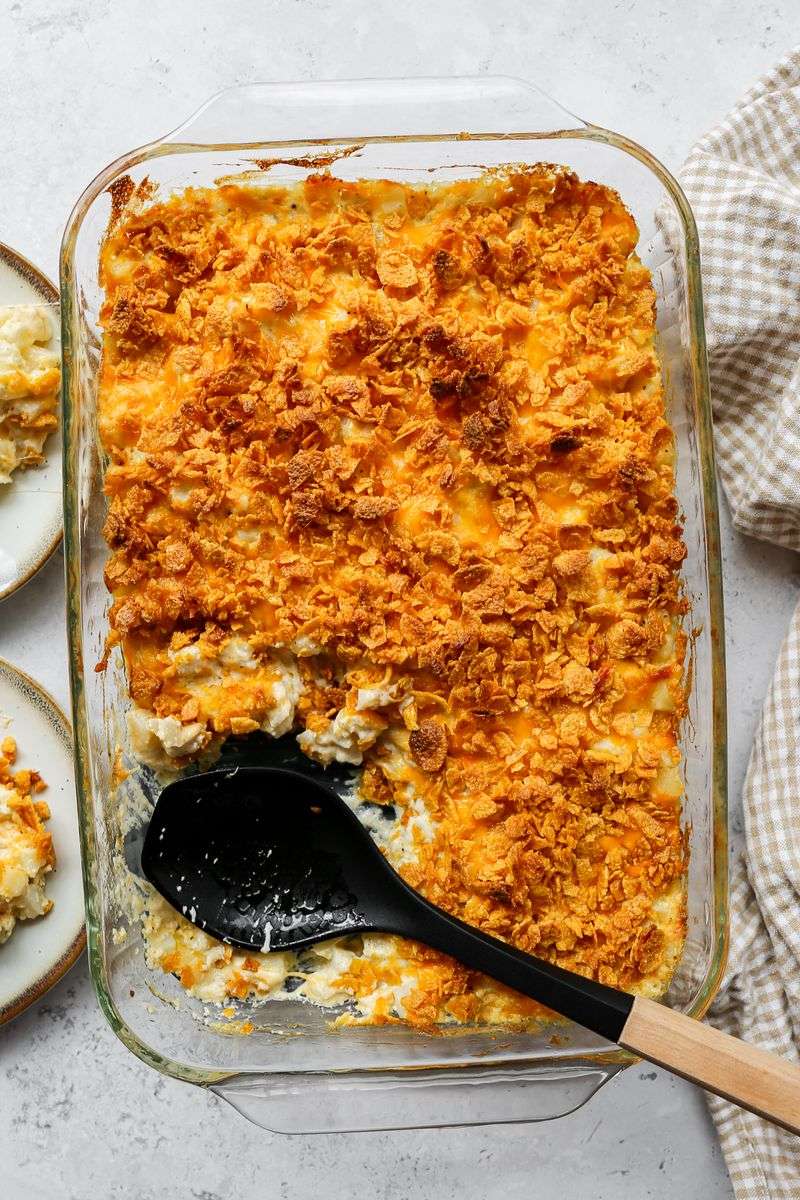
The name sounds sad, but the dish is all comfort. Funeral potatoes are often served after funerals at church gatherings in Utah.
The casserole mixes hash browns, cheese, sour cream, and cream soup. A crunchy topping of buttered cornflakes goes on top.
The 2002 Salt Lake City Olympics even featured funeral potatoes on a souvenir pin. It is popular at holiday dinners too.
Vermont: Apple Pie Served Hot With a Slice of Sharp Cheddar
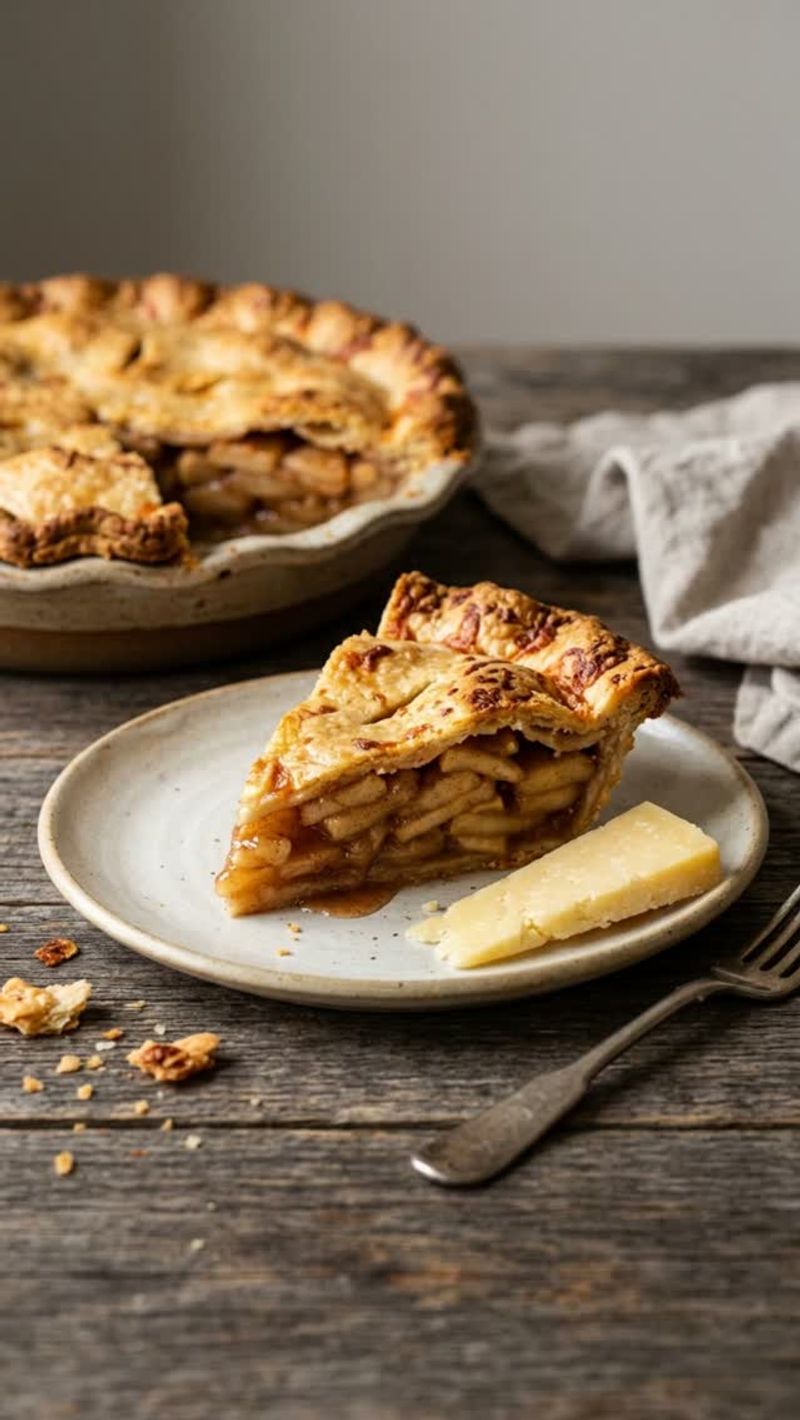
Vermont made apple pie its official state pie in 1999. The law even suggests serving it with cheese, milk, or ice cream.
Many Vermonters pair a hot slice with sharp cheddar. The salty cheese balances the sweet apples nicely.
Vermont is known for both apples and cheddar. Try melting a thin slice on top for a fun twist.
Virginia: Peanut Soup Swirls Creamy and Golden With Chopped Peanuts on Top
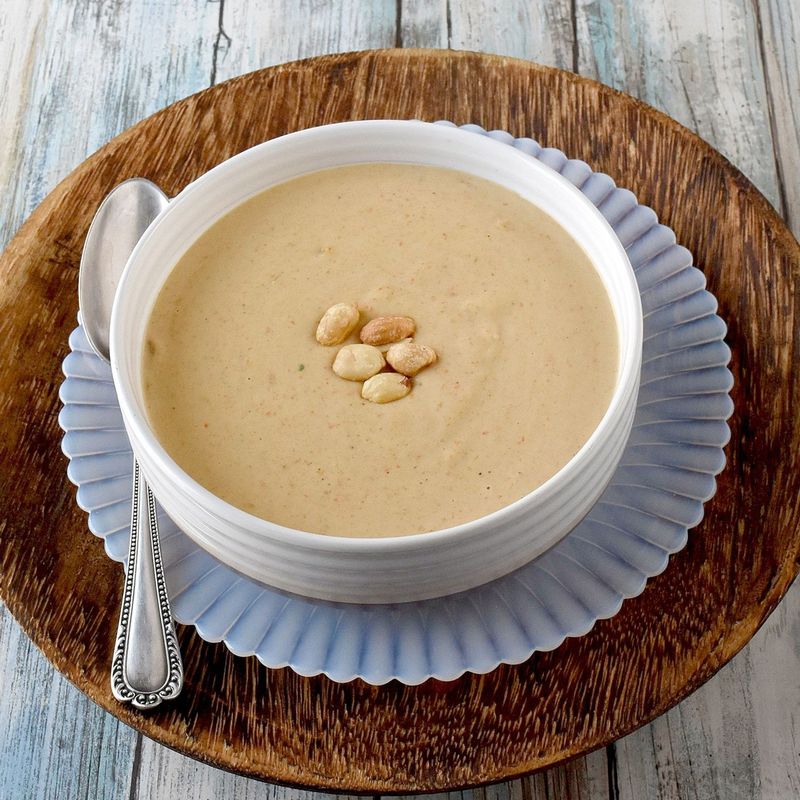
Peanut soup may sound strange, but Virginia has served it for centuries. The dish is linked to colonial-era cooking in the state.
Historians connect peanut soups to West African cooking traditions brought by enslaved people. Today's creamy version blends peanut butter with chicken broth.
Restaurants in Colonial Williamsburg have long served it. Top it with chopped peanuts for extra crunch.
Washington: Seattle-Style Teriyaki Plates Grilled Chicken Over Steamed Rice
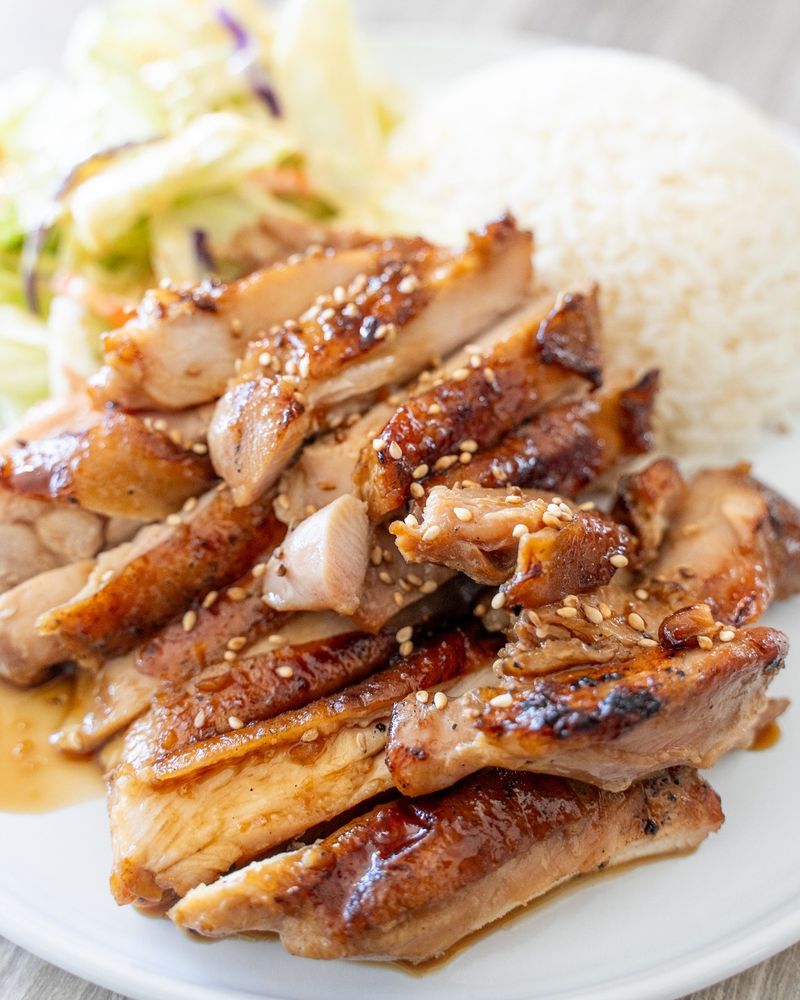
Seattle's favorite takeout plate started with one small shop in 1976. Toshihiro Kasahara opened Toshi's Teriyaki and helped spark a citywide trend.
The plate features grilled chicken glazed in sweet teriyaki sauce. It comes over steamed rice with a simple salad.
Teriyaki shops became common around Seattle. A hot plate is a quick meal on a gray, rainy day.
West Virginia: Pepperoni Roll Bakes Sticks of Pepperoni Inside Soft Bread
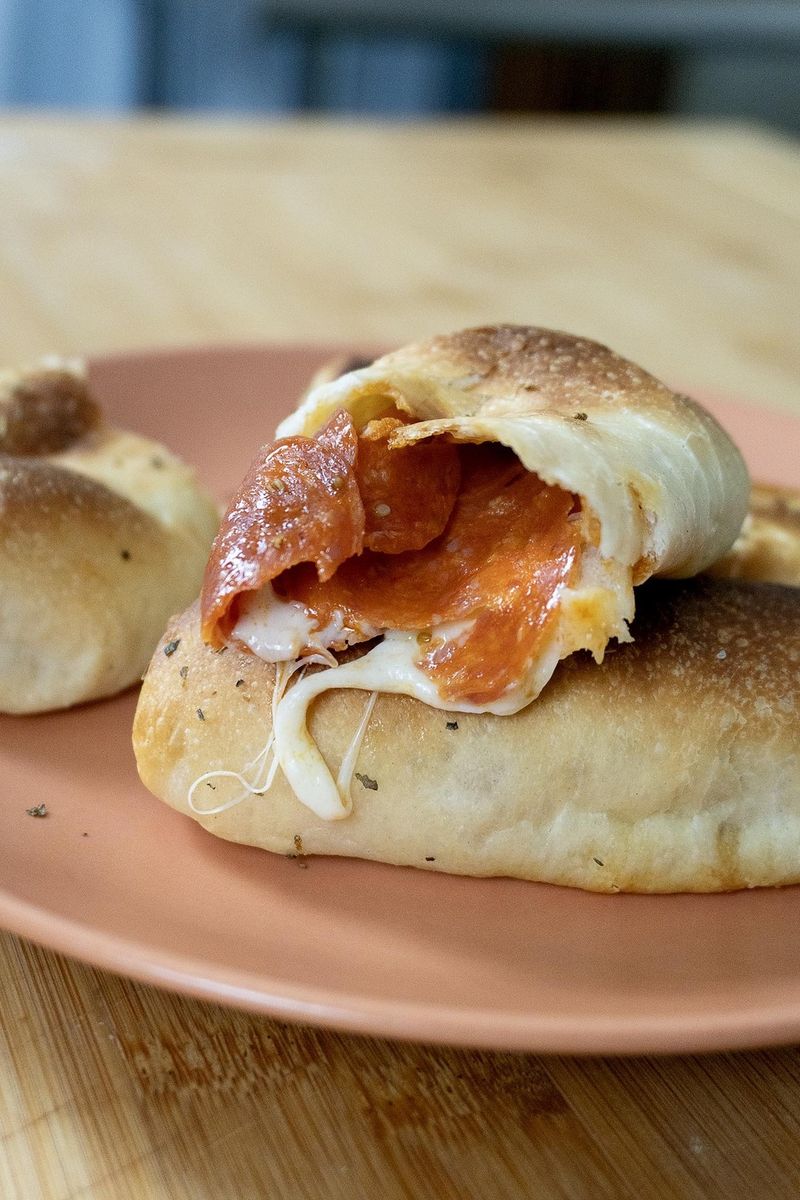
Coal miners needed a lunch that would last without refrigeration. The pepperoni roll answered that need.
Giuseppe Argiro is credited with creating it in Fairmont in 1927. Pepperoni bakes inside soft bread, releasing flavorful oils.
Italian immigrants shaped the dish's history. Warm one up for a quick snack on a winter afternoon.
Wisconsin: Booyah Bubbles in Giant Kettles With Chicken and Vegetables
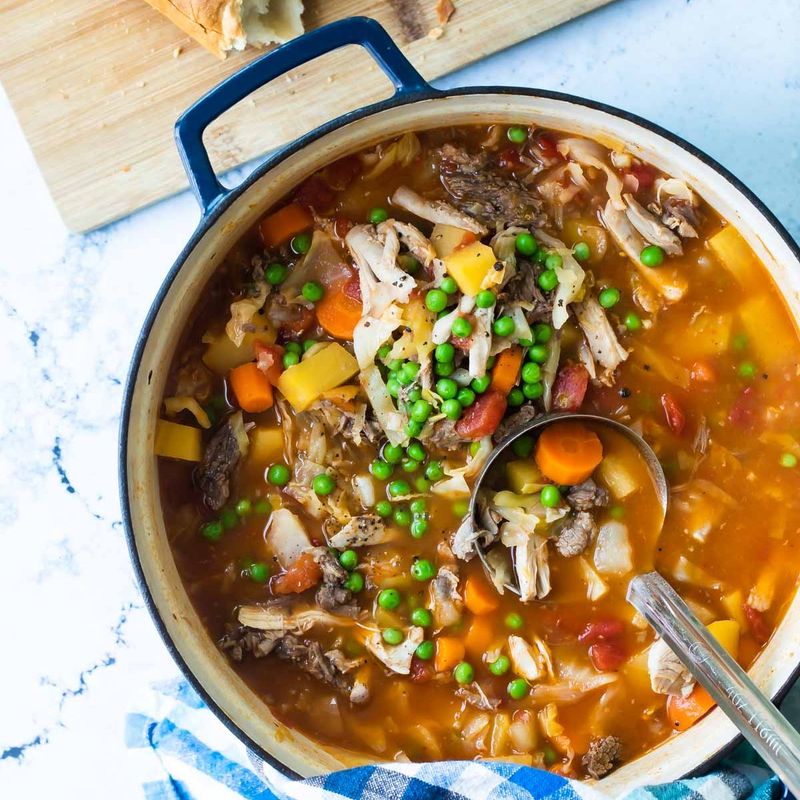
Booyah is so big it is often cooked in huge kettles. The stew is a Green Bay area tradition linked to Belgian immigrants.
It includes chicken, sometimes beef, and many vegetables. Cooks may simmer it for hours, stirring with large paddles.
Church picnics and fundraisers often feature booyah. Fans also enjoy it at fall gatherings in northeast Wisconsin.
Wyoming: Bison Chili Simmers Lean Ground Bison With Beans and Spice
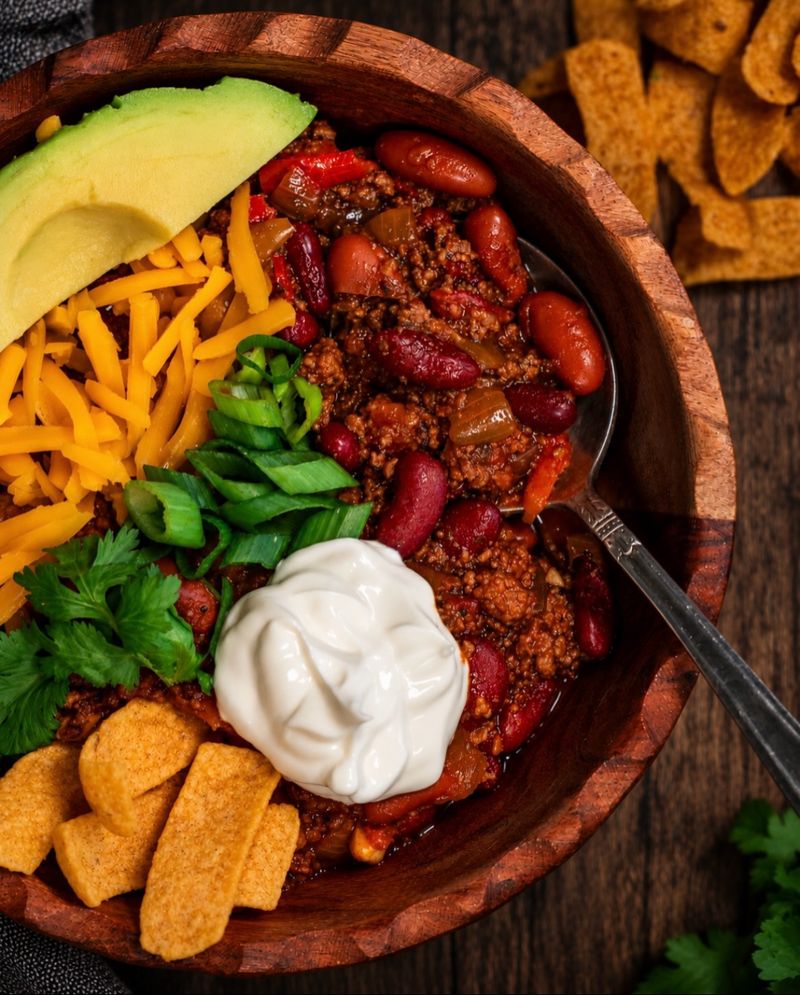
Wyoming named the American bison its official state mammal in 1985. So it fits that bison shows up in a hearty bowl of chili.
Bison chili uses lean ground bison in place of beef. Cooks simmer it with beans, tomatoes, and chili spices.
Bison ranches operate across the state. A bowl makes a fine ending to a cold day on the high plains.



Leave a Reply