
In 1933, Eleanor Roosevelt served reporters a White House lunch reported to cost about seven and a half cents per person. The menu included deviled eggs in tomato sauce, mashed potatoes, and prune pudding, and the press reviews were polite at best.
That menu came from home economists at Cornell University, who designed cheap, nourishing meals for struggling families. A decade later, World War II brought ration books with red points for meat and blue points for canned goods.
Cooks had to get clever, stretching meat with grains and swapping scarce ingredients for pantry staples. I love how much problem-solving hid inside a plain-looking supper.
Some of these meals faded into history, while others never really left the table. Here are the dishes that helped families eat on very little, plus how each one worked and how you can try it today.
Chocolate Mayonnaise Cake Swapped Eggs and Oil for a Jar of Mayo
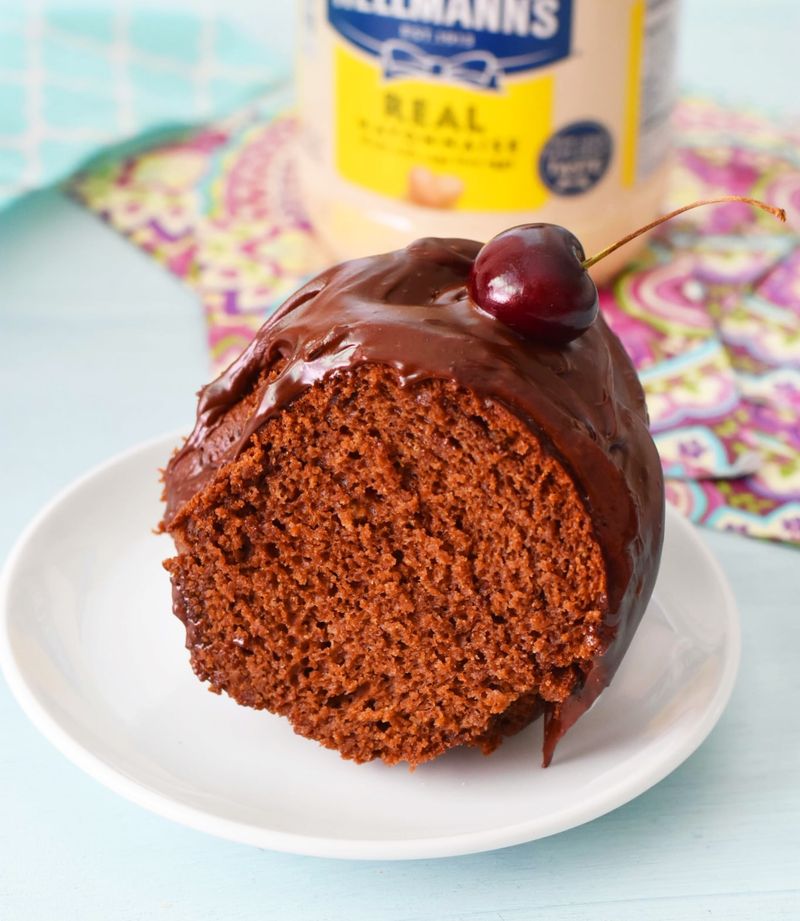
Mayonnaise in a chocolate cake sounds like a dare, but it makes sense once you read the label. Mayo is mostly oil and eggs, two things a baker would otherwise need to buy separately.
Recipes for chocolate mayonnaise cake appeared in American print by the 1930s, and Hellmann's has long promoted its own version. The usual mix is flour, sugar, cocoa, baking soda, water, and mayonnaise, with no extra eggs or butter.
You won't taste salad dressing, I promise. The cake comes out moist and dark, a lot like a basic devil's food.
Today the recipe still shows up on mayo jars and food blogs. Use regular full-fat mayonnaise for the best crumb, since light versions can change the texture.
Creamed Chipped Beef on Toast Smothered Dried Beef in White Gravy
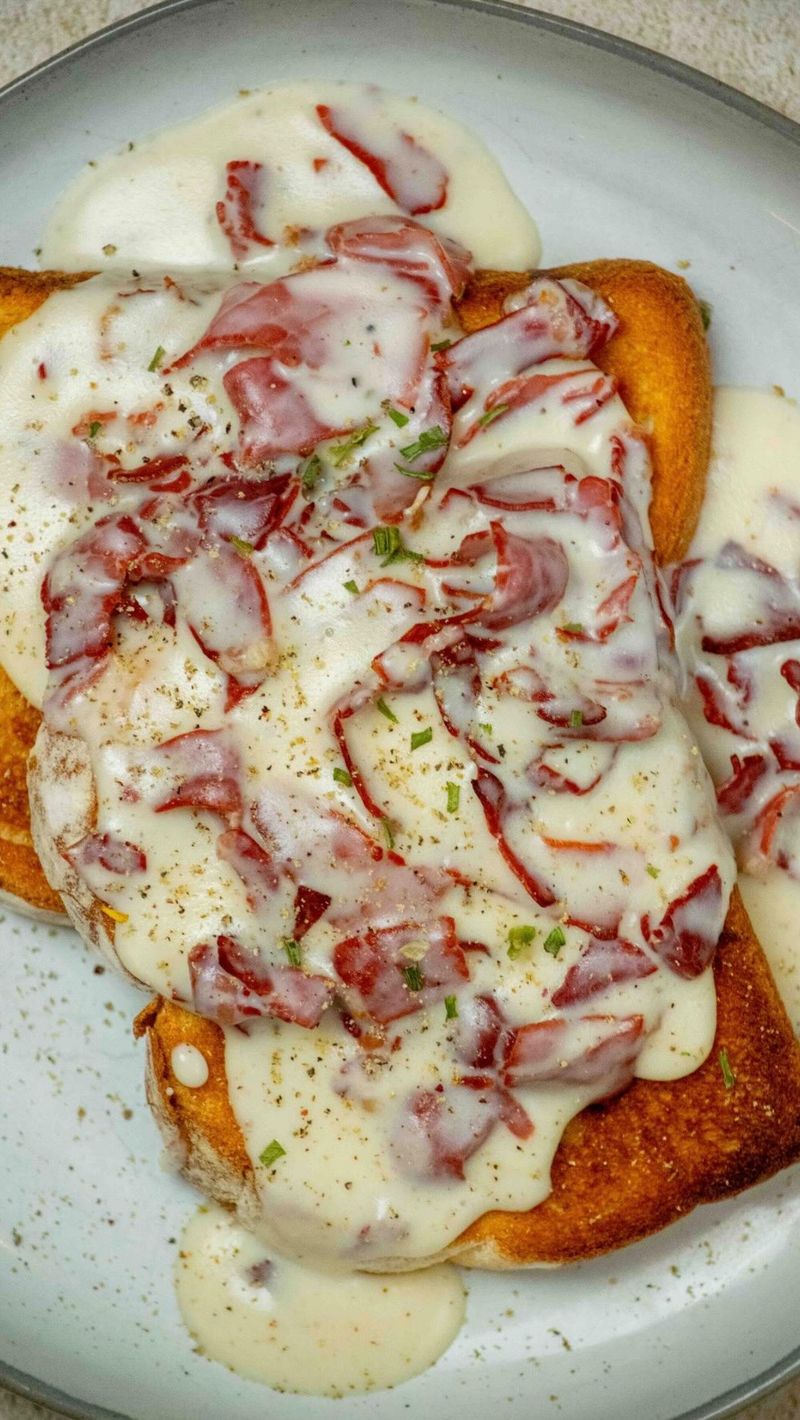
Few dishes have a nickname as rude as this one, and the U.S. military gets credit for that. Creamed chipped beef on toast was a mess hall regular during World War II, and soldiers gave it a famously unprintable name.
The dish itself is simple: thin, salty dried beef in a white sauce made from butter, flour, and milk. A small jar of beef could flavor a whole skillet of gravy, which is why it stretched so far.
Home cooks made it long before the war, and dried beef was sold in jars and cans. Many families served it over toast, biscuits, or potatoes.
If you try it, rinse the beef first to tame the salt. Then season the sauce with black pepper and skip extra salt entirely.
Plain Potato Soup Thickened With Mashed Potatoes and Milk
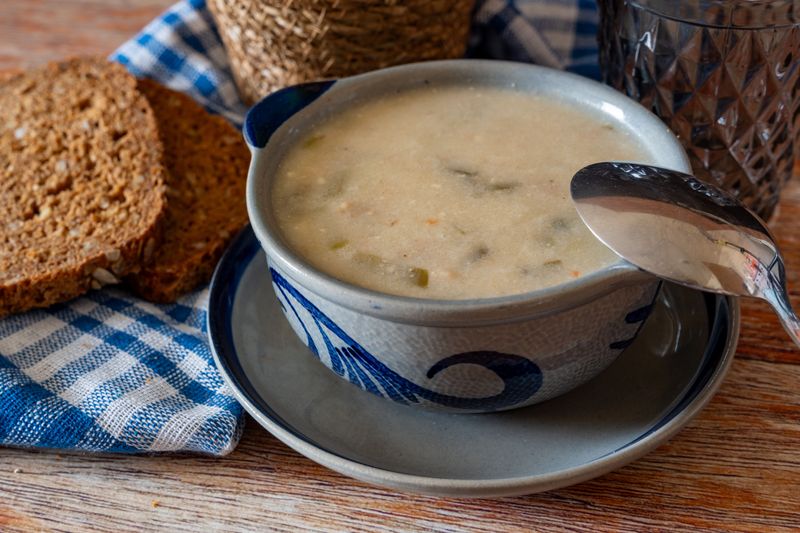
Potato soup needs so few ingredients that the grocery list barely fills a sticky note. Many early 20th-century recipes called for little more than potatoes, milk, butter, onion, salt, and pepper.
Potatoes were cheap, filling, and kept well in a cool cellar for months. Cooks boiled them soft, mashed some into the pot, and let that starch thicken the milk without cream.
Modern bowls often pile on bacon, cheddar, and sour cream. The older versions were plainer, relying on onion and pepper for most of the flavor.
Want to try the thrifty route? Simmer peeled potatoes with a chopped onion, mash about half, then stir in hot milk and a pat of butter.
Keep the heat low once the milk goes in. Boiling milk can scorch or separate quickly.
Haluski Tossed Fried Cabbage and Onions With Egg Noodles
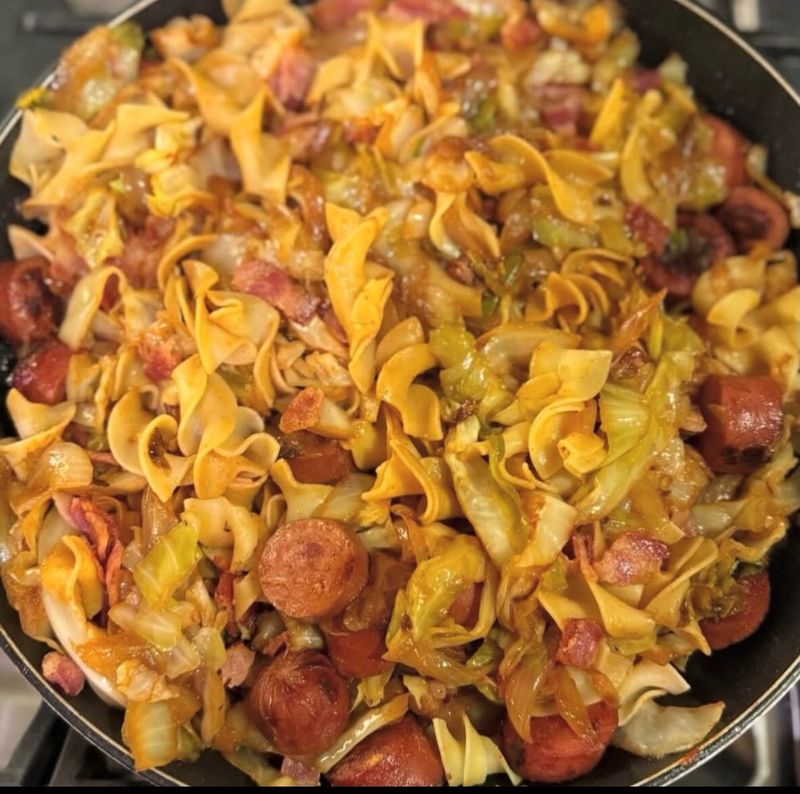
Two of the cheapest things in the produce aisle, cabbage and onions, are the stars of this skillet supper. Haluski is a cabbage and noodle dish strongly linked to Pittsburgh and western Pennsylvania, where many Slovak, Polish, and Hungarian immigrants settled.
The name comes from Central and Eastern European dumplings, and older versions used small homemade dumplings instead of noodles. Many American cooks switched to wide egg noodles from the store.
The method is easy: slowly fry shredded cabbage and onion in butter until soft and lightly browned. Then toss in the cooked noodles with plenty of black pepper.
Haluski still appears at church festivals and fish fries around Pittsburgh. Add sliced kielbasa if you want extra protein, though plenty of cooks keep it meatless.
Kraft Macaroni and Cheese Dinner From the 1937 Blue Box
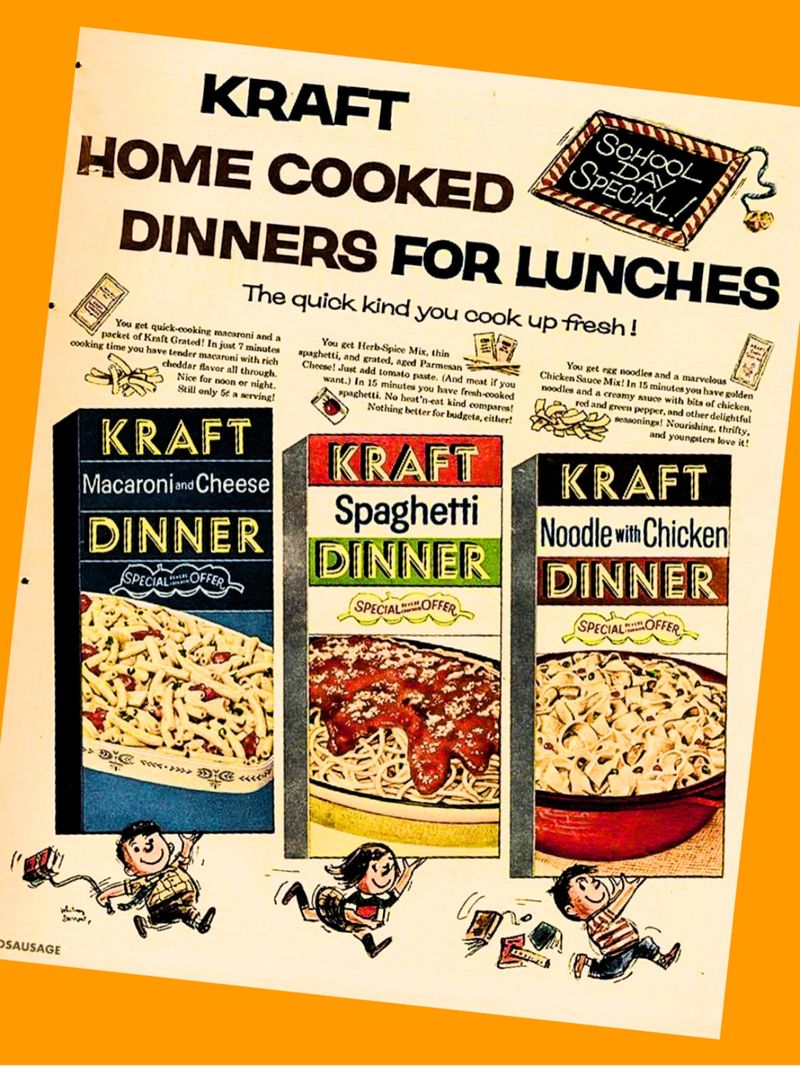
The boxed dinner made its debut in 1937, right in the middle of hard times. Kraft's company history says it was marketed as a meal for four for 19 cents.
It was built on dry processed cheese, which kept for a long time without refrigeration. That shelf life mattered later, when fresh dairy and meat were harder to get.
During World War II, sales climbed as families looked for meatless main dishes. Kraft credits the war years with turning the boxed dinner into a household staple.
The basic routine was boiling the pasta, draining it, and stirring in the cheese with butter and milk. That method has barely changed, which might be the most impressive part of the story.
Fried Cornmeal Mush Sliced From a Loaf and Crisped in a Skillet
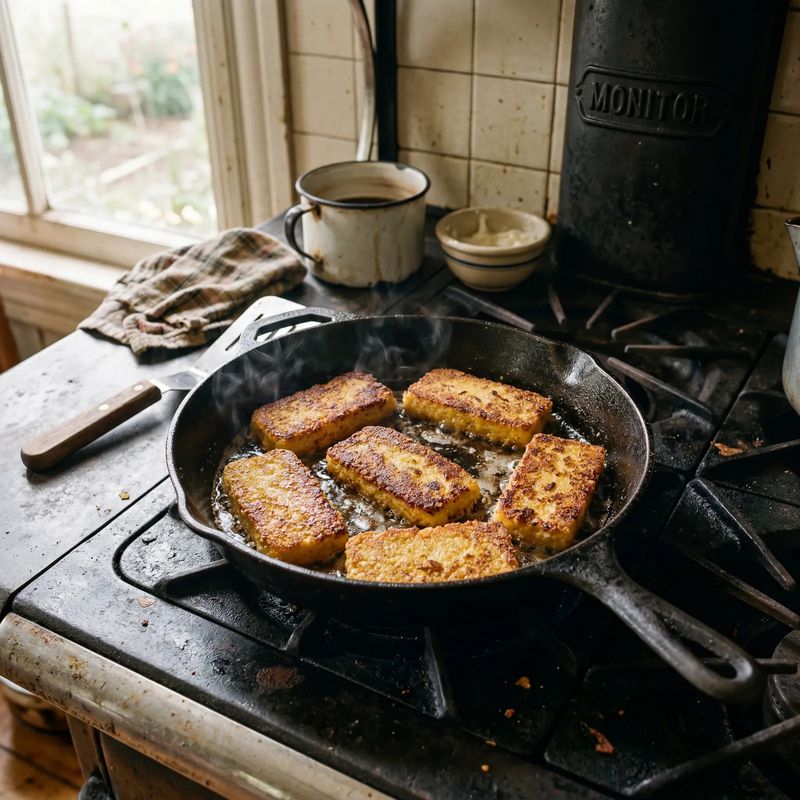
Last night's porridge became this morning's crispy breakfast, and that trick is the whole point. Cornmeal mush is simply cornmeal boiled with water and salt until thick, a dish American cooks made long before the 1900s.
The clever part came after dinner. Leftover mush was packed into a loaf pan, chilled until firm, then sliced and fried in a hot skillet.
The outside turns golden and crunchy while the inside stays soft. People topped it with butter, syrup, or molasses, depending on what the pantry held.
You can still find it in parts of the Midwest and Pennsylvania, sometimes sold in chilled rolls. Store the loaf in the fridge, not on the counter, and pat slices dry so they don't spatter.
Vinegar Pie Baked a Lemony Custard Using Cider Vinegar
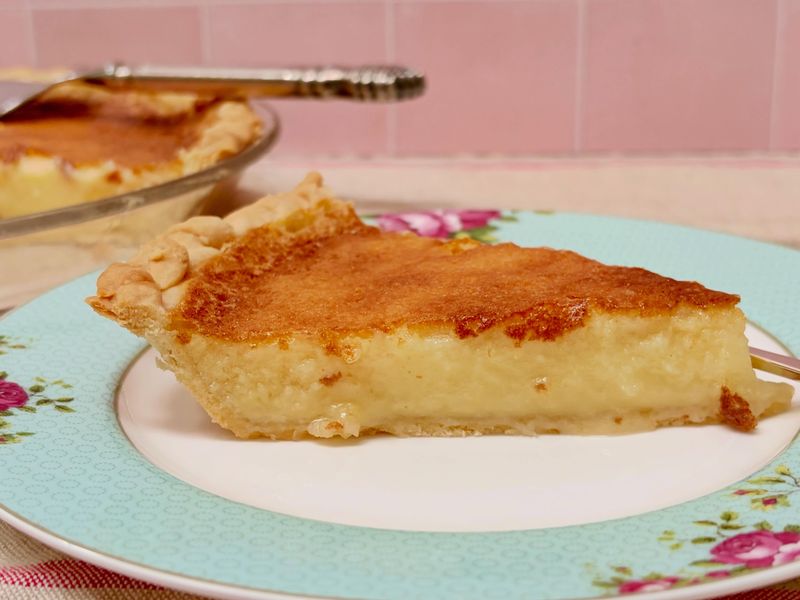
A sour pantry staple stepping in for lemons sounds odd, yet it worked well enough to last for generations. Vinegar pie recipes appear in American cookbooks from the 1800s, long before the Great Depression made them handy again.
Lemons were costly or hard to find in many places, especially far from shipping routes. Cider vinegar was cheap and often already on the shelf for pickling.
A typical filling mixes sugar, eggs, butter, a little flour, water, and a few tablespoons of vinegar. It bakes into a smooth custard that tastes a lot like lemon chess pie.
Some bakers in the South and Midwest still make it, and it has popped up on bakery menus in recent years. Start with apple cider vinegar for the mildest flavor.
Wilted Dandelion Greens Dressed With Bacon Drippings and Vinegar
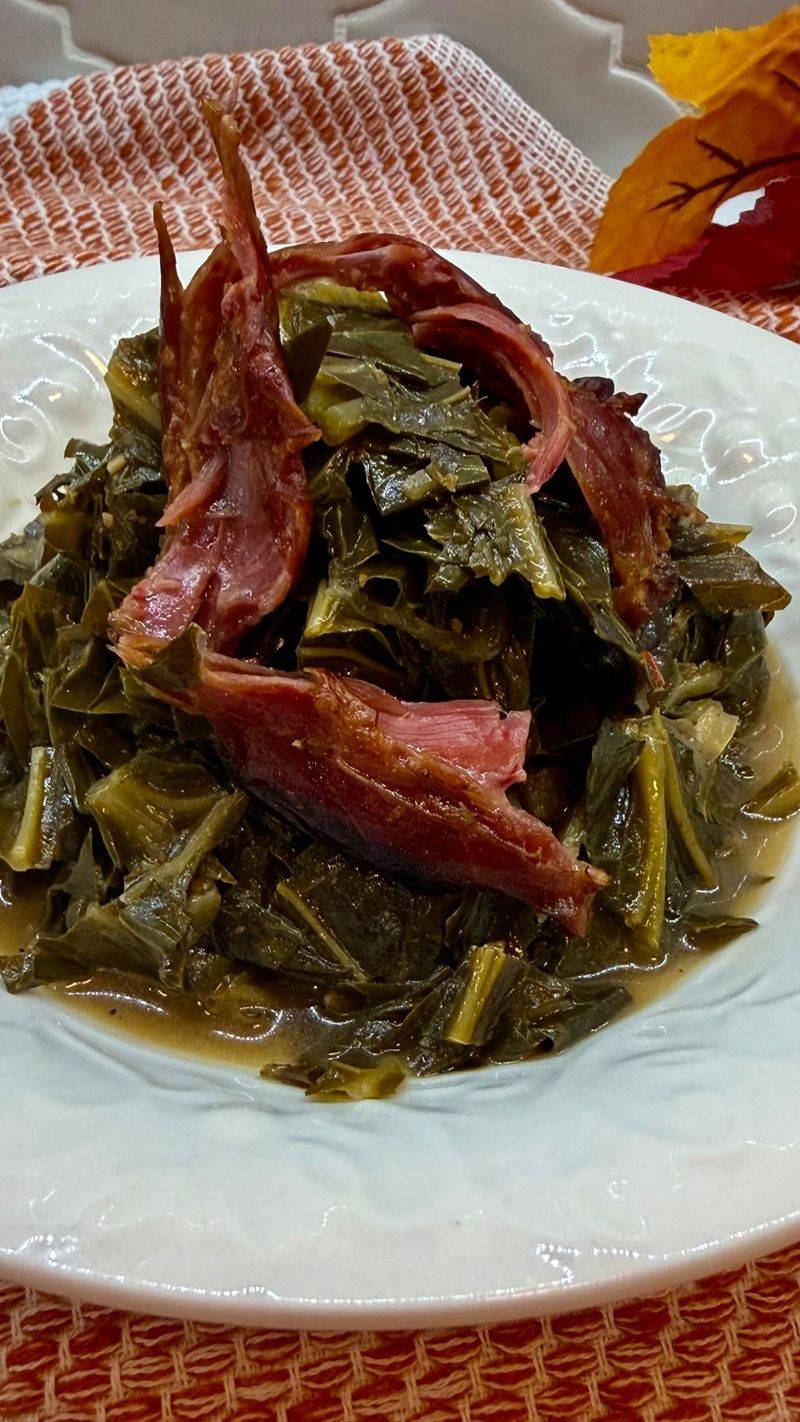
Free food was growing right in the front yard, and many families knew it. Dandelion greens were eaten in America for centuries, and they showed up in plenty of frugal kitchens during lean years.
Young spring leaves taste the mildest, before the plants flower and turn bitter. Cooks often wilted them with hot bacon drippings and vinegar, or simply boiled them like spinach.
The greens are rich in vitamins A and K, which made them a smart addition to plain meals. They cost nothing but time and a sharp knife.
Grocery stores sell cultivated dandelion greens today if your lawn isn't an option. If you forage, skip yards, parks, and roadsides that may be treated with chemicals or visited by pets.
Peanut Butter Bread Rose Into a Loaf Without Eggs or Butter
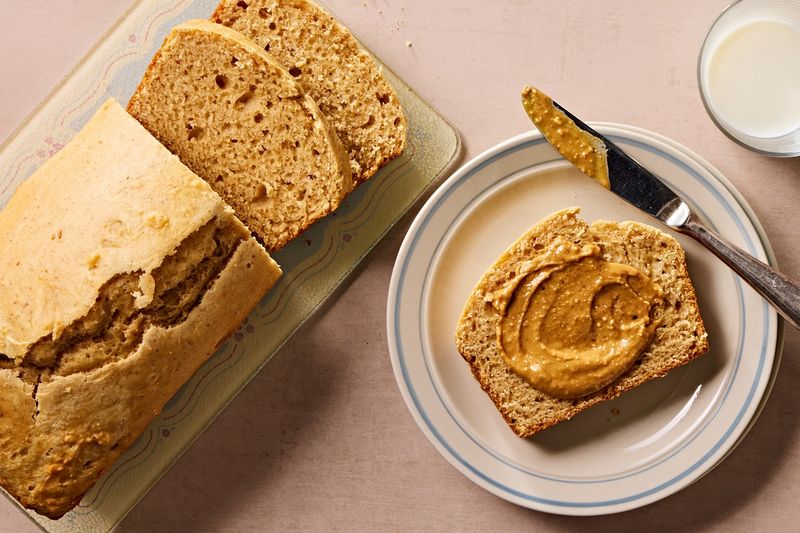
No yeast, no eggs, and barely any added fat, yet this loaf still comes out tender. Peanut butter quick bread shows up in recipe collections from the early 20th century, and it remains a favorite among Depression-era recipe revivals.
The trick is that peanut butter does double duty. It supplies the fat and much of the protein, so eggs and butter aren't needed.
Most versions stir flour, sugar, baking powder, salt, milk, and peanut butter into a thick batter. Some older recipes used molasses in place of part of the sugar.
Peanut butter had become a common, affordable American staple by then, which helped. Toast thick slices and spread them with jam or honey for a breakfast that sticks with you.
Clara's Poor Man's Meal Fried Potatoes, Onions, and Hot Dogs Together
One of the internet's best-known Depression cooks was in her 90s when she started filming. Clara Cannucciari, who grew up during the Great Depression, shared recipes in the YouTube series Great Depression Cooking beginning in 2007.
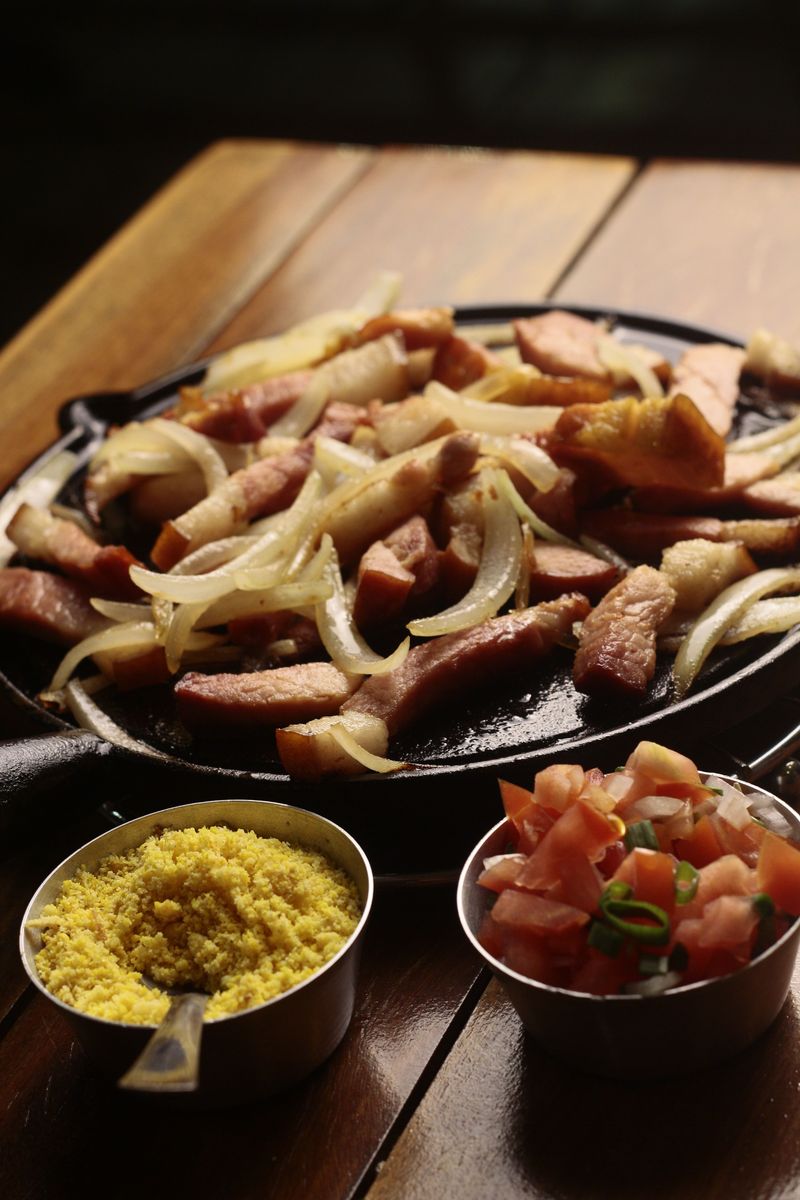
Her Poor Man's Meal is a skillet of diced potatoes, onions, and sliced hot dogs. She browned the potatoes and onions in oil, then stirred in the hot dogs.
Potatoes did most of the filling, while a couple of hot dogs flavored the whole pan. Clara also shared her stories and recipes in the 2009 book Clara's Kitchen.
Her videos still draw viewers years later. Use cast iron for crispier potatoes, and add the hot dogs near the end so they don't dry out.
Milk Toast Floated Buttered Toast in a Bowl of Hot Milk
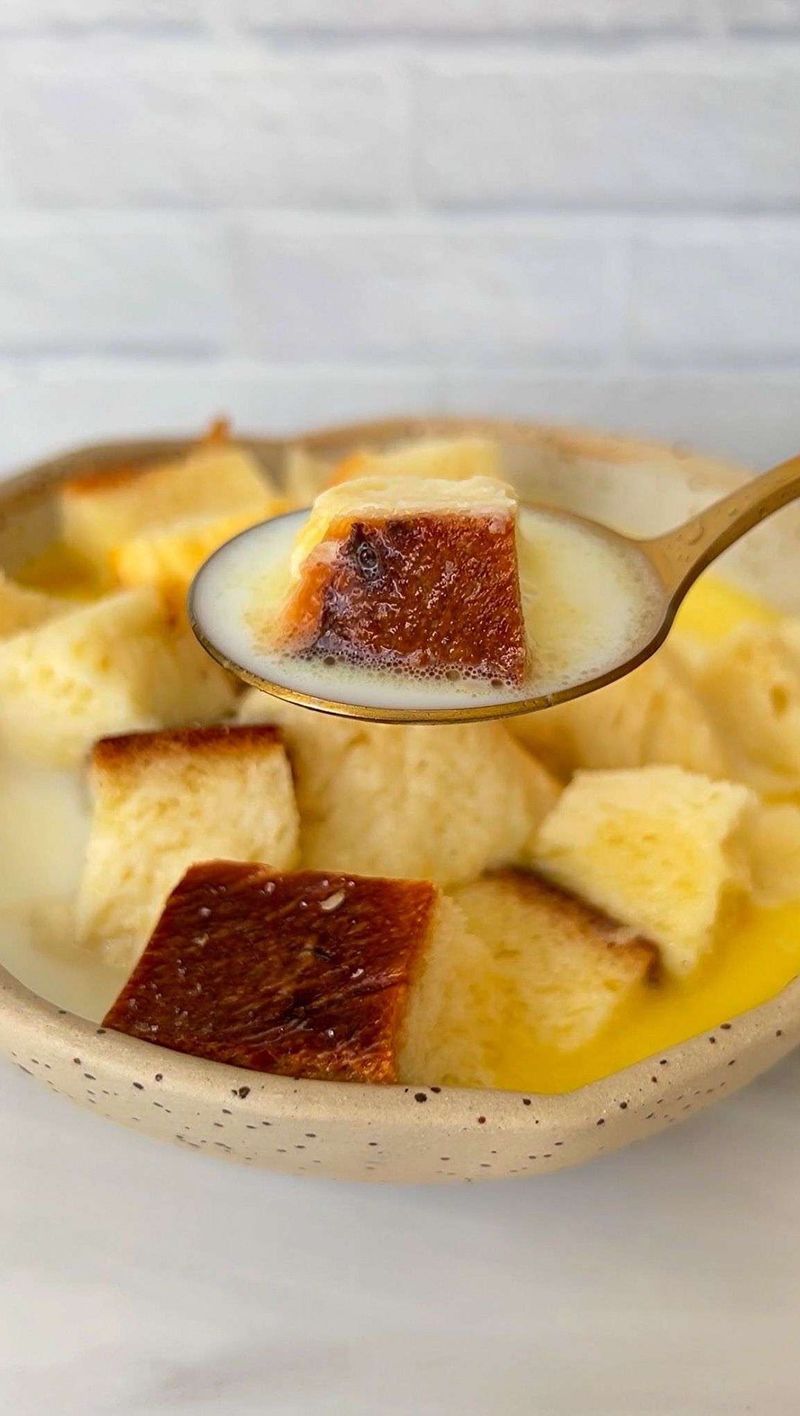
Long before instant oatmeal, sick kids and tired adults often got buttered toast floating in hot milk. Milk toast appears in American cookbooks from the 1800s and was long treated as gentle food for invalids.
It was also a smart way to use bread that was going stale. Toast, butter, hot milk, and a pinch of salt or sugar were all it took.
Some households added cinnamon, while others went savory with pepper. Fannie Farmer's Boston Cooking-School Cook Book included it, showing how ordinary it was.
The dish was so mild that a 1920s comic strip named its timid hero Caspar Milquetoast. Pour the milk over right before eating, or the toast turns to mush.
American Goulash Mixed Ground Beef, Elbow Macaroni, and Tomatoes
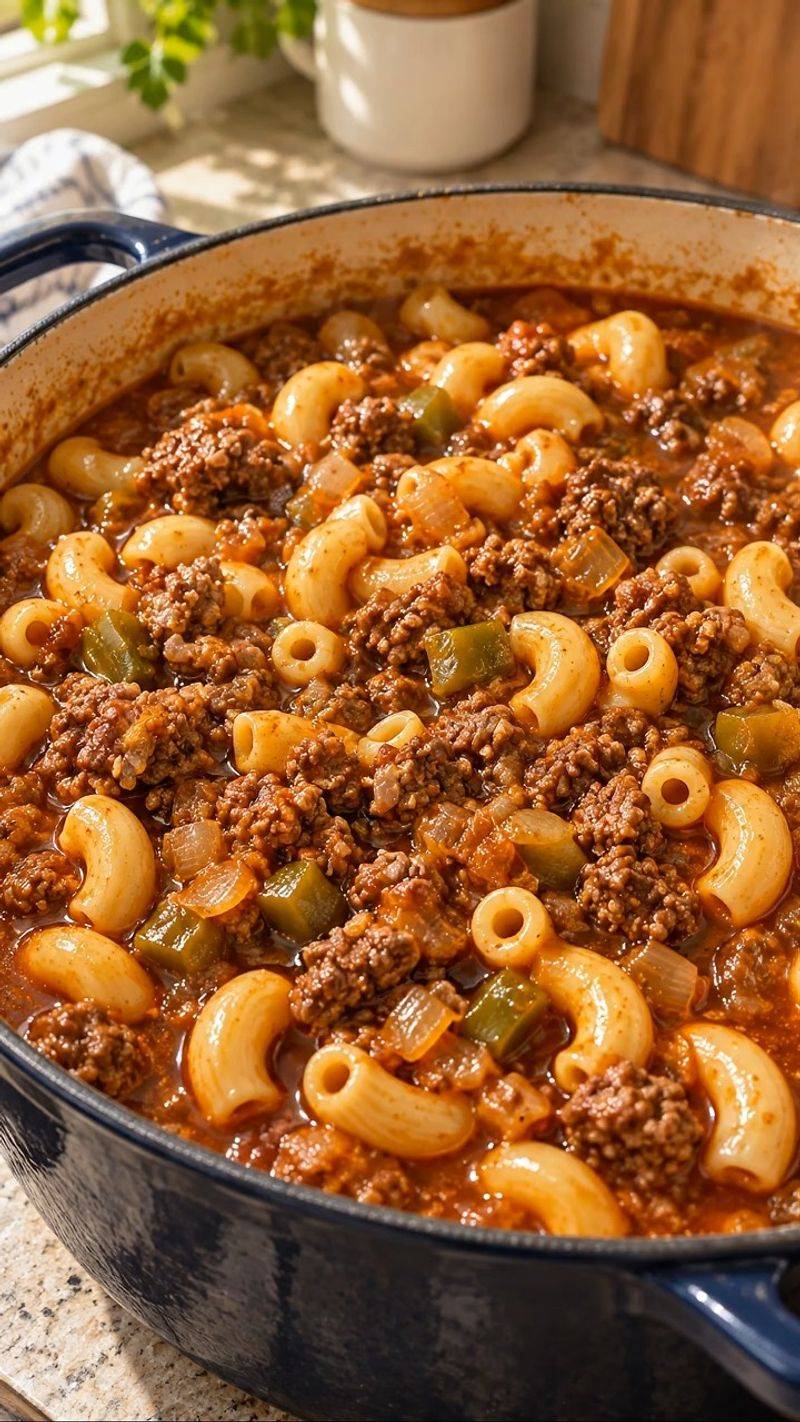
Hungarian goulash is a paprika-rich beef stew, and the American version took a very different road. American goulash is ground beef, elbow macaroni, onions, and tomatoes cooked together, sometimes called slumgullion, or American chop suey in New England.
The appeal was simple. A pound of ground beef could feed a big family once pasta and canned tomatoes joined the pot.
Versions appeared in American cookbooks by the early 20th century and later became school cafeteria regulars. Seasonings were often just salt, pepper, and maybe paprika.
It's still a weeknight standby in many Midwestern kitchens. Cook the macaroni right in the tomato sauce if you want fewer dishes and a thicker finish.
Water Pie Turned Water, Sugar, Flour, and Butter Into Custard
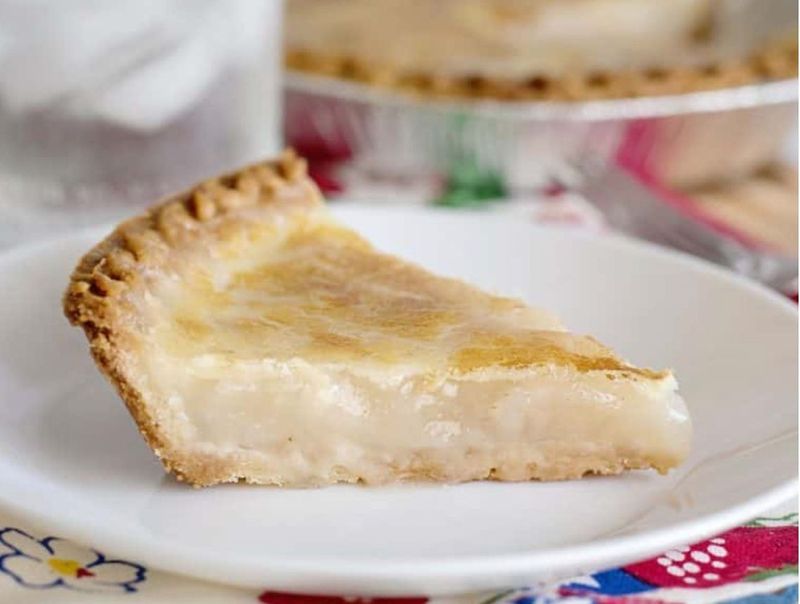
Yes, the filling really starts with plain water poured into a pie shell. Some food writers trace water pie to the 1800s, and it gained a following during the Great Depression when milk and eggs were stretched thin.
Cooks poured water into an unbaked crust, then sprinkled flour and sugar over it. Pats of butter and a splash of vanilla went on top before baking.
In the oven, the flour thickens the sugary water into a soft, jelly-like custard. It only sets fully after cooling, so patience is part of the recipe.
The pie went viral on social media in recent years, surprising plenty of home bakers. Bake it on a sheet pan, since a little bubbling over is common.
Soup Beans and Cornbread Paired Pinto Beans With a Skillet Wedge
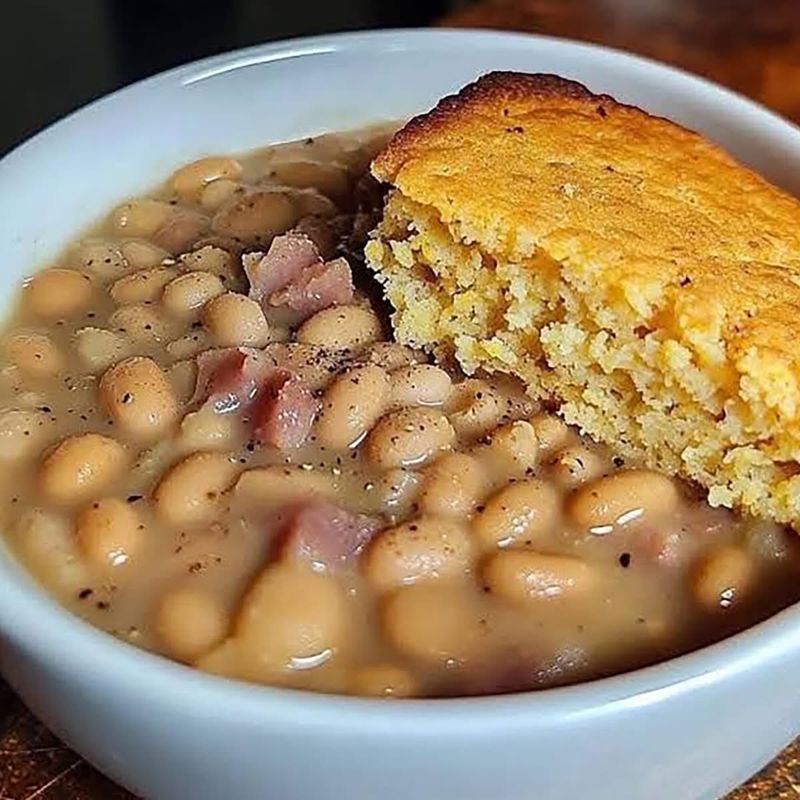
A pot of pinto beans and a skillet of cornbread could feed a crowd for very little money. The pairing was a staple in many Southern and Appalachian homes well before the 1930s, and it stayed common through hard decades.
Dried beans cost little and kept for months. Simmered with an onion or a scrap of salt pork, they made a rich broth perfect for soaking up with cornbread.
Together, beans and corn also offer a more complete protein than either one alone. That mattered when meat rarely reached the table.
Soup beans and cornbread are still served across Kentucky and nearby states. Soak the beans overnight, simmer them low, and add salt near the end.
Bread Pudding Rescued Stale Bread With Milk, Eggs, and Raisins
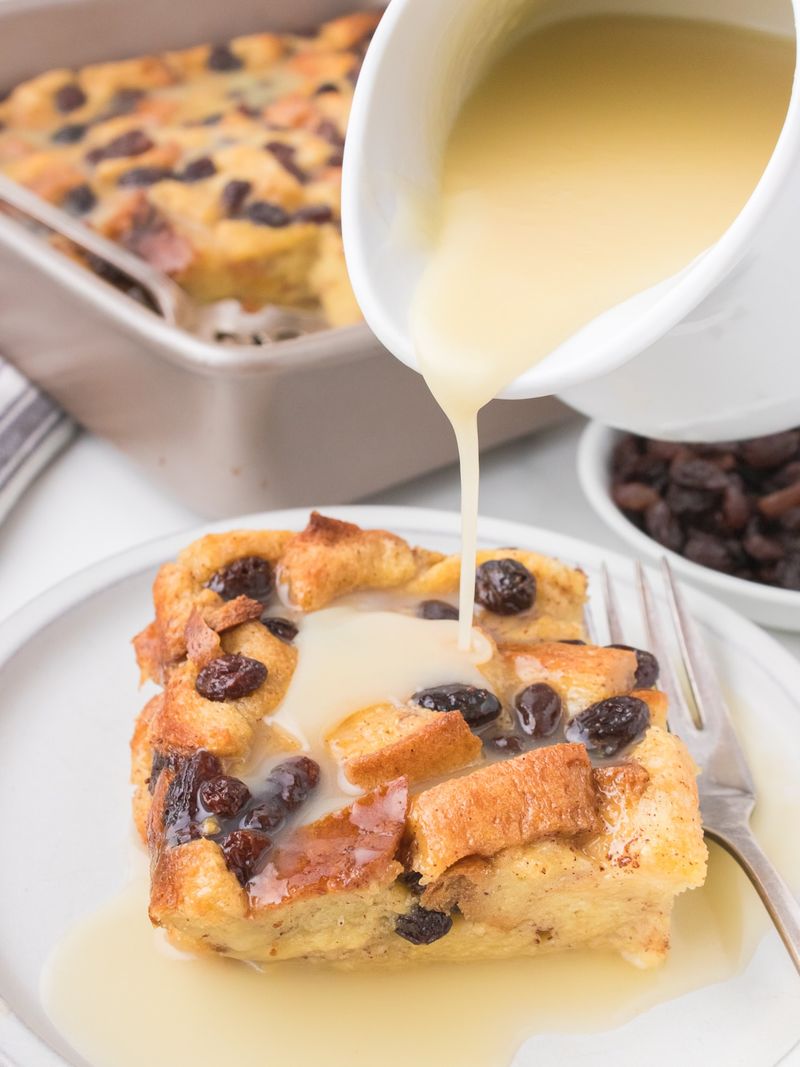
Stale bread was too valuable to toss, so cooks soaked it into dessert. Bread pudding goes back centuries in English cooking, and American cookbooks printed countless versions long before the 1900s.
The basic idea is old bread, milk, eggs, sugar, and spice baked until set. Raisins went in when the budget allowed.
Sugar rationing began in the U.S. in 1942, so some wartime cooks swapped in molasses, honey, or corn syrup. Leftover bread also fit government messages urging families not to waste food.
Plenty of restaurants serve fancy bread pudding today, especially in New Orleans. At home, use bread that's a day or two old, and bake until the center reaches 160 degrees Fahrenheit.
Tomato Gravy Spooned Over Split Buttermilk Biscuits
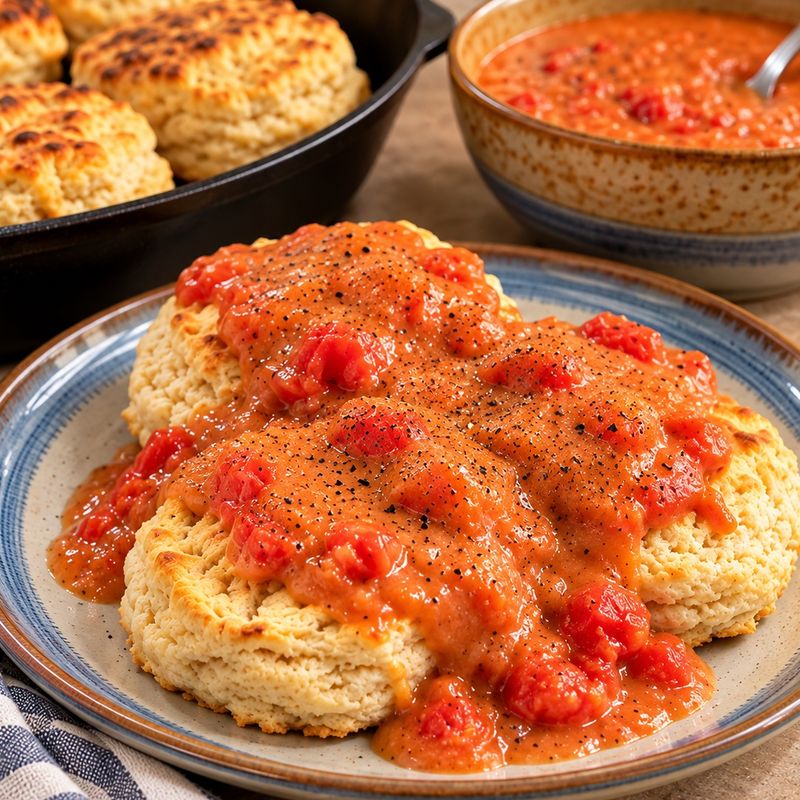
Gravy doesn't always need meat drippings and milk, and Southern cooks proved it with tomatoes. Tomato gravy is a pan sauce of fat, flour, and tomatoes, often canned, served over biscuits, rice, or grits.
It's long been made in parts of the South and Appalachia, where home-canned tomatoes lined many pantry shelves. A spoonful of bacon grease added flavor without needing much actual bacon.
The method is quick: brown flour in hot fat, then stir in chopped tomatoes and a little water. Salt, pepper, and sometimes a pinch of sugar finish it.
It remains a breakfast favorite in many Southern homes. If you can tomatoes yourself, follow current USDA guidance, since old open-kettle methods are no longer considered safe.
Fried Spam Slices Became a World War II Canned Meat Staple
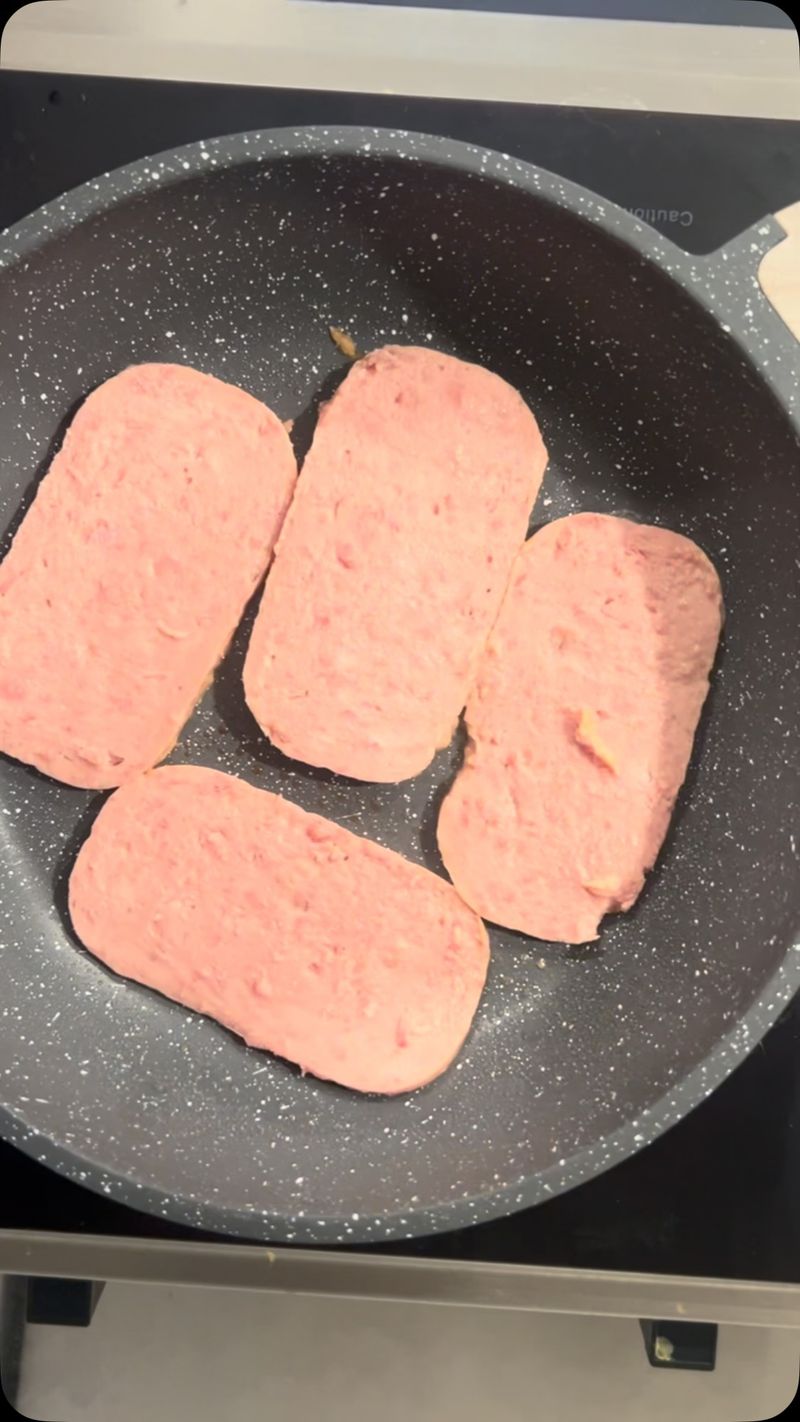
A canned pork product launched in 1937 became one of the most recognizable foods of World War II. Hormel introduced Spam that year, and huge amounts were later shipped to American troops and allies.
On the home front, canned meat still required red ration points, but Spam kept without refrigeration. Families fried slices, baked them with a glaze, or layered them into sandwiches.
Spam stayed especially popular in places with a large wartime military presence, such as Hawaii, Guam, and the Philippines. In Hawaii, Spam musubi remains a beloved snack today.
Fry thin slices until the edges crisp and caramelize. Spam runs salty, so pair it with plain rice, eggs, or bread.
Sugar Cream Pie Baked Sugar, Cream, and Nutmeg in One Crust
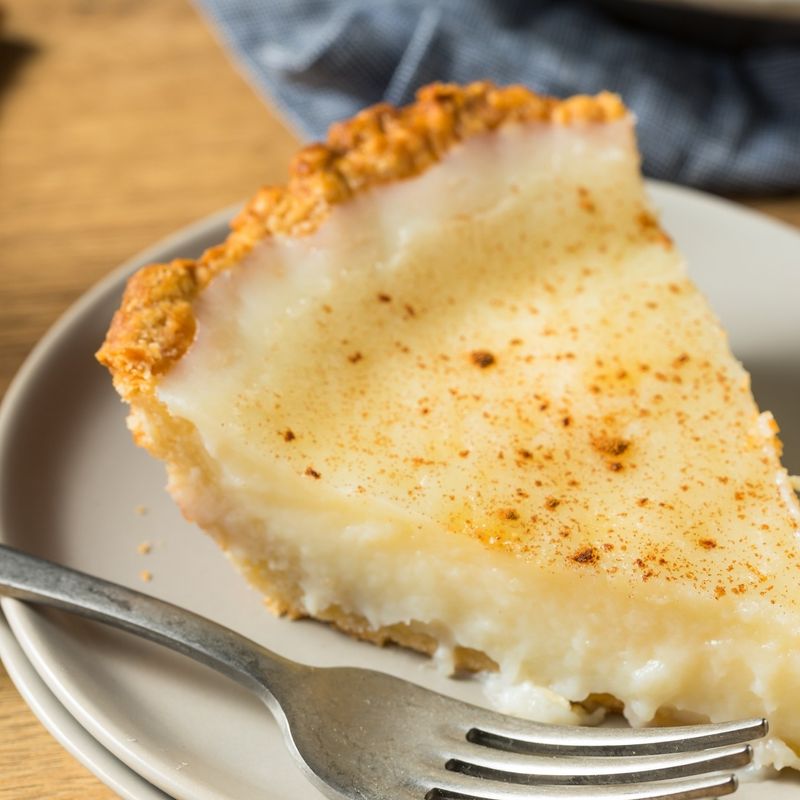
Indiana loved this pie so much it became the official state pie in 2009. Sugar cream pie, also called Hoosier pie, uses little more than sugar, cream, flour, butter, and nutmeg in a single crust.
It's often linked to Shaker and Amish cooks in Indiana, with recipes going back to the 1800s. Because it needs no fruit, bakers could make it even in the dead of winter.
Some older bakers stirred the filling right inside the crust with a finger. That saved a bowl and kept the crust from tearing.
Wick's Pies in Winchester, Indiana, still bakes it in large numbers. Pull it from the oven when the center jiggles slightly, then chill it fully so it sets.
Senate Navy Bean Soup Simmered Small White Beans With a Ham Hock
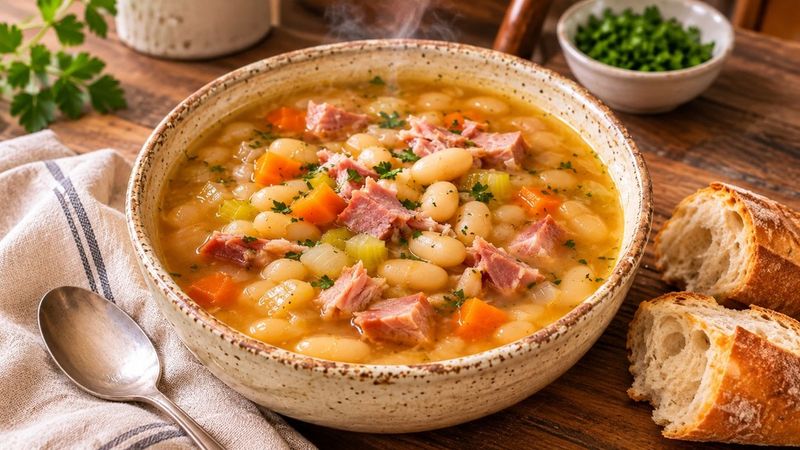
One frugal soup has been served in the U.S. Senate dining room nearly every day for over a century.
The Senate's navy bean soup, made with dried navy beans, a smoked ham hock, and onion, dates to the early 1900s, though stories credit different senators.
The recipe shows how one smoky bone could flavor a big pot of cheap beans. Many home cooks did the same with leftover holiday ham.
Navy beans got their name from their long use as a U.S. Navy ration.
They're small, cook fairly fast, and turn creamy when simmered.
Soak the beans overnight, then simmer with a ham hock until soft. Mash a few against the pot to thicken the soup without flour.
Creamy Rice Pudding Made From Leftover Rice, Milk, and Raisins
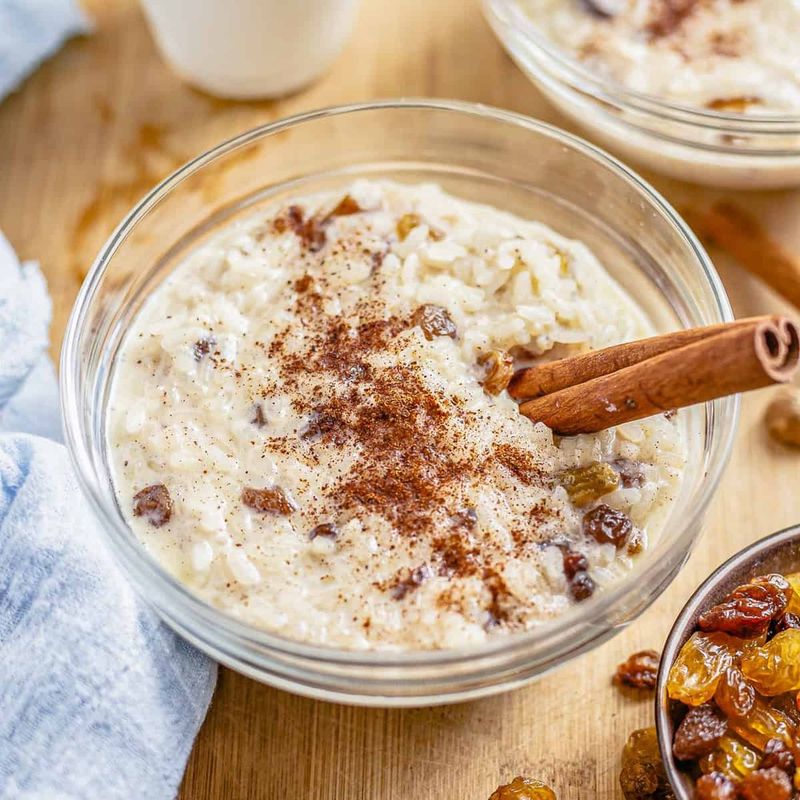
Leftover rice from supper often came back as dessert the next day. Rice pudding is centuries old, and American cookbooks commonly gave versions made from cooked rice, milk, sugar, and sometimes eggs.
The stovetop method simply simmers rice in milk until thick and creamy. Baked versions add eggs and go into a slow oven.
Cheap rice and a little milk made a sweet dish with real staying power. Raisins, cinnamon, or nutmeg added interest without adding much cost.
Modern recipes sometimes use cream or coconut milk for extra richness. Refrigerate leftover cooked rice within two hours, since rice left out can grow bacteria that cause food poisoning.
Wacky Cake Rose on Vinegar and Baking Soda With No Eggs or Milk
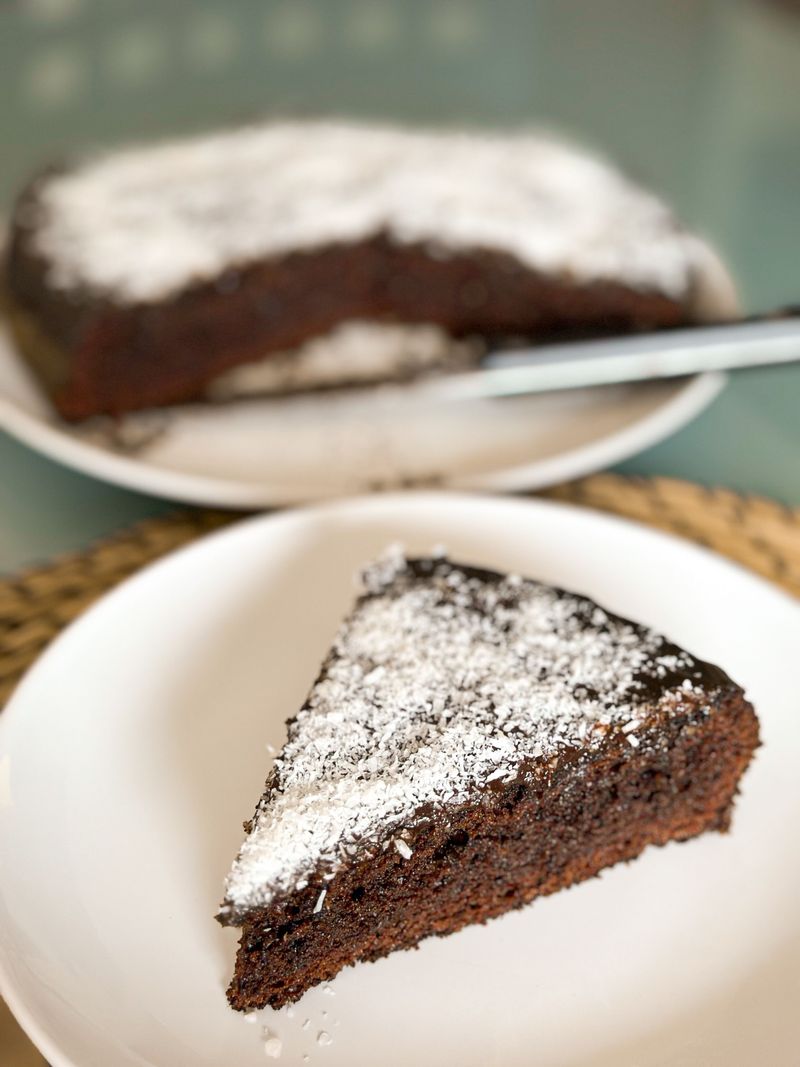
Vinegar and baking soda aren't just for science fair volcanoes. They're also what lift wacky cake, a chocolate cake made with no eggs, milk, or butter.
Also called crazy cake or Depression cake, it's often linked to World War II rationing, though its exact origins are hard to pin down. Many versions mix the batter right in the baking pan.
Cooks made three wells in the dry ingredients, one each for vinegar, vanilla, and oil. Then they poured water over everything and stirred.
The cake is naturally free of dairy and eggs, so vegan bakers love it today. Stir just until smooth, and bake right away while the bubbles are still active.
Salt Pork and Milk Gravy Poured Over Boiled Potatoes
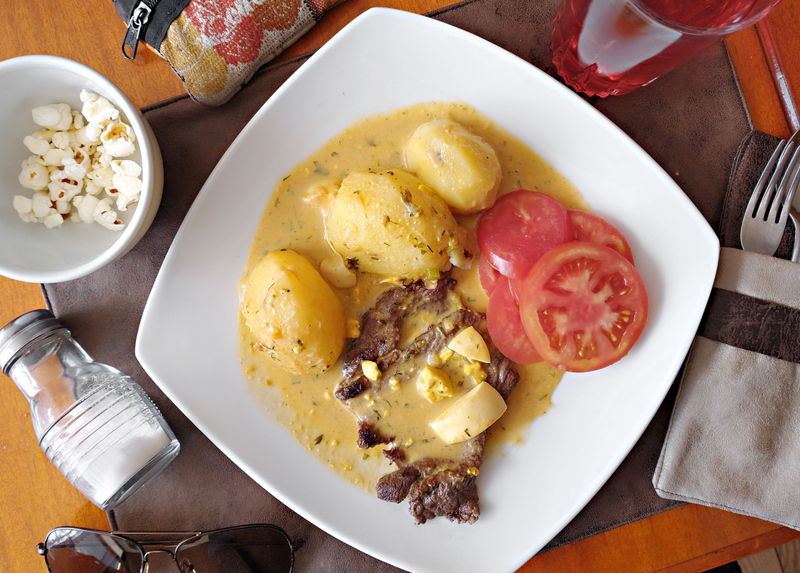
A heavily salted slab of fatty pork could sit in the pantry for long stretches without spoiling. Cooks often sliced salt pork thin, soaked or parboiled it to pull out salt, then fried it until crisp.
The drippings went straight into gravy. Flour browned in the fat, then milk was whisked in until smooth and thick.
In Maine and other parts of New England, salt pork with milk gravy was served over boiled potatoes. A small piece of meat ended up flavoring an entire meal.
Salt pork still sits in many grocery meat cases, usually near the bacon. Soak slices in cold water for about an hour first, or your gravy may taste like seawater.
Hoover Stew Combined Macaroni, Hot Dogs, Beans, and Canned Tomatoes
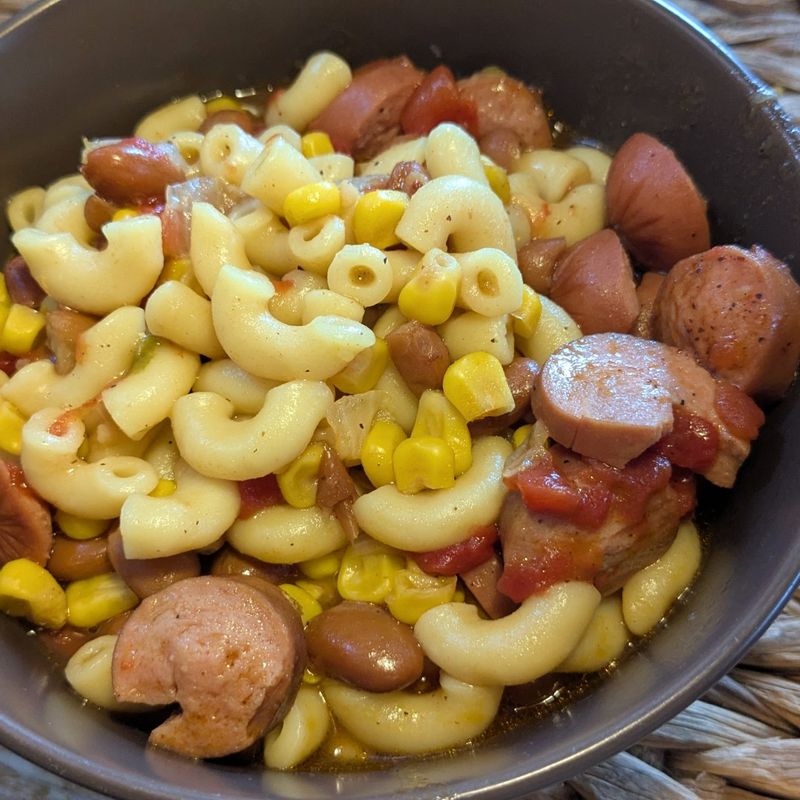
Few dishes carry a president's name with less affection. Hoover stew is a name for a cheap pot of macaroni, canned tomatoes, hot dogs, and canned beans or vegetables, echoing the mood behind Hoovervilles.
Shantytowns named after Herbert Hoover appeared in the early 1930s, and newspapers used as bedding got called Hoover blankets. The stew name shares that wry humor.
Documentation of the dish in period print is thin, so treat it as part of Depression food lore. Still, its ingredients match cheap staples families could buy then.
The method is just boiling macaroni, then stirring in tomatoes, beans, and sliced hot dogs until hot. Add onion for a modern upgrade, and choose low-sodium cans to control salt.
Oatmeal Meatloaf Stretched Ground Beef With Rolled Oats
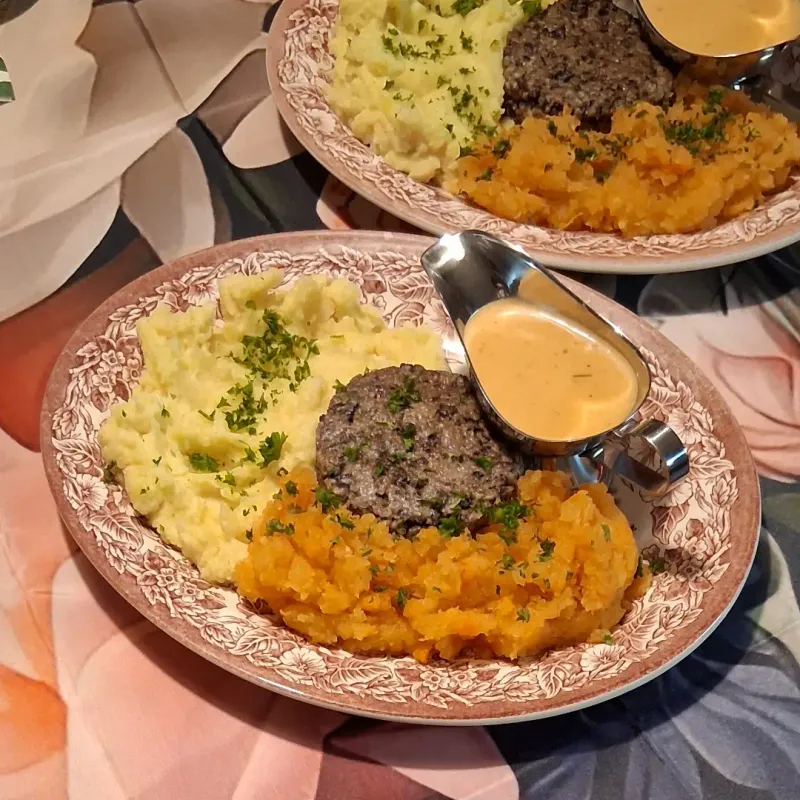
Meat rationing hit American kitchens in 1943, and fillers suddenly felt like a superpower. Meatloaf stretched with oats, bread crumbs, or crackers helped a pound of beef reach more plates.
Wartime cookbooks and newspaper food columns regularly promoted meat extenders like these. Rolled oats soak up juices, keep the loaf moist, and add bulk for pennies.
A typical mix combines ground beef, oats, egg, milk, onion, salt, and ketchup or tomato sauce. Grated carrot sometimes went in too, adding color and volume.
Oatmeal meatloaf is still common, and plenty of people never knew it had wartime ties. Bake it to 160 degrees Fahrenheit inside, the current USDA target for ground beef.
Ritz Mock Apple Pie Filled a Double Crust With Crackers Instead of Apples
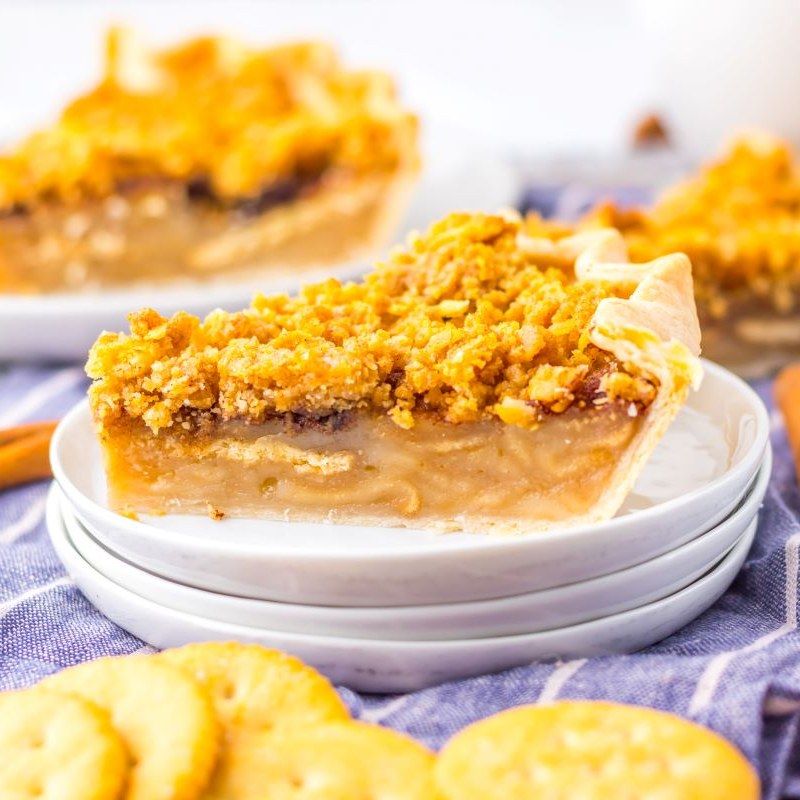
Not a single apple goes into this apple pie, and somehow it fools people anyway. Mock apple pie made with crackers dates back to the 1800s, but Ritz made it famous after the crackers launched in 1934.
Nabisco printed its Ritz Mock Apple Pie recipe on the box for years. Broken crackers simmer in a syrup of sugar, water, and cream of tartar, then get lemon juice and zest.
Cinnamon and butter go on before the top crust. The crackers soften into pieces that taste surprisingly close to baked apples.
Tart acid and spice do the work that fruit normally would. Try serving it without explanation, then watch everyone guess what's inside.



Leave a Reply