
In 1976, red M&M's disappeared, even though they never contained the dye that had just been banned. Mars pulled the color anyway, hoping to avoid confusing nervous shoppers.
I love that detail.
The dye was Red No. 2, and the FDA banned it that year over health concerns. The red candies did not come back until 1987.
One regulatory decision changed how a candy looked for over a decade.
That kind of shake-up happened often in 1970s grocery aisles. Companies rushed out space snacks, monster cereals, and diet sodas.
Some hit big for a while, then quietly slipped away. Others never found many fans at all.
What follows is a tour of products that once filled pantries, lunch bags, and vending machines. A few have made comebacks.
Most are long gone. I had no idea how strange some of them were.
Pillsbury Space Food Sticks Came Individually Wrapped Like Astronaut Rations
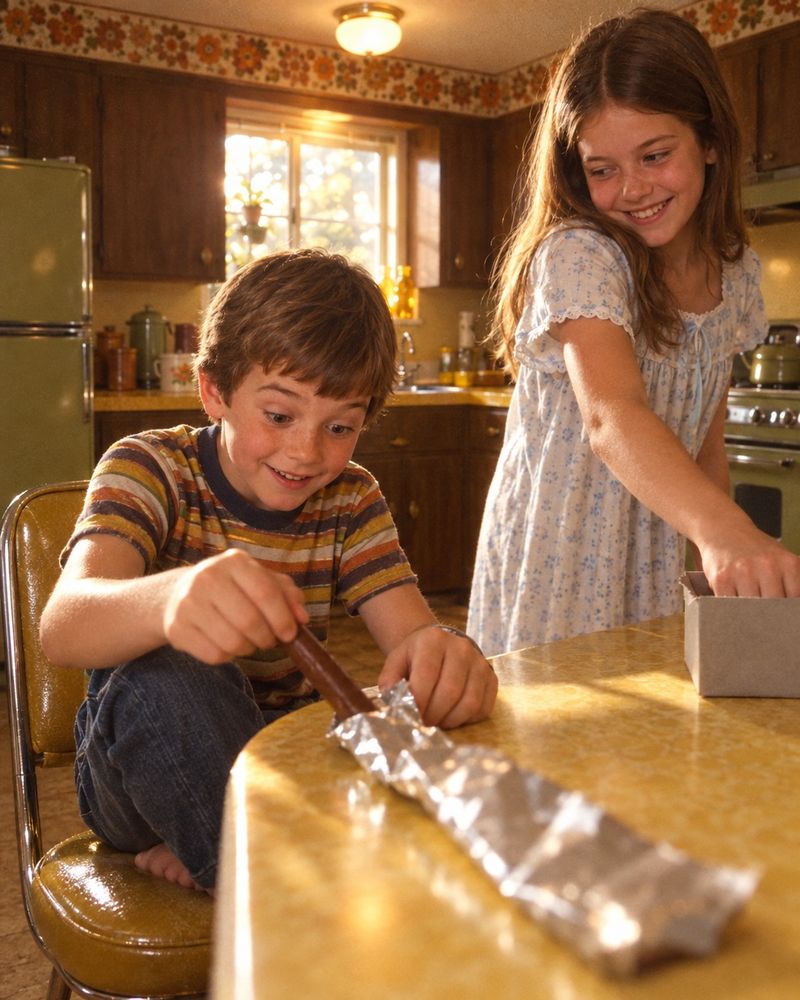
Pillsbury borrowed its marketing straight from the moon-landing era. The company had worked on food for the space program, then turned that idea into a chewy snack stick for regular shoppers.
Space Food Sticks hit stores around 1970 in flavors such as chocolate and peanut butter. Each stick came wrapped on its own, which made it feel like official mission gear.
As space hype cooled, Pillsbury dropped the word Space from the name. The sticks were gone from American shelves by the 1980s.
A small company revived them in the 2000s, but that run ended too. Today, a chewy protein bar is the closest stand-in.
General Mills Fruit Brute Cereal Box With the Werewolf Mascot
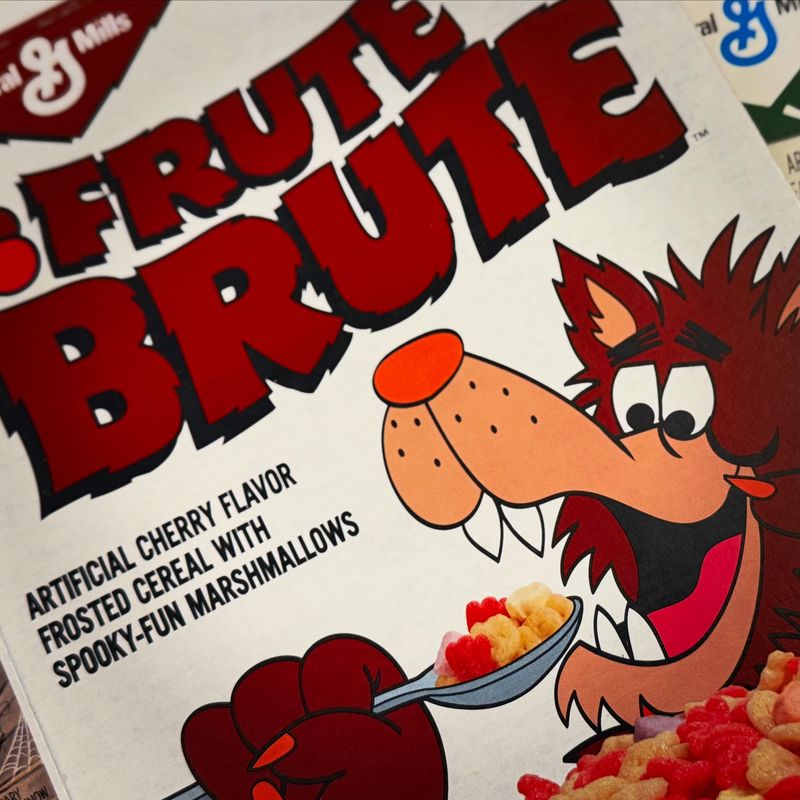
Count Chocula, Franken Berry, and Boo Berry got a hairy new friend in 1974. Fruit Brute was a werewolf, and his cereal came with a fruity flavor and marshmallow bits.
He wore striped overalls and joined the General Mills monster lineup for several years. Sales lagged behind the other monsters, though.
Fruit Brute was discontinued in the early 1980s, and Fruity Yummy Mummy joined the monster cereal lineup in 1988. Movie fans may recognize the box from a famous scene in Pulp Fiction.
General Mills brought Fruit Brute back for limited Halloween runs starting in 2013. Keep an eye out each fall, because the monster lineup rotates.
Fizzies Drink Tablets Dropped in Water to Make Instant Soda
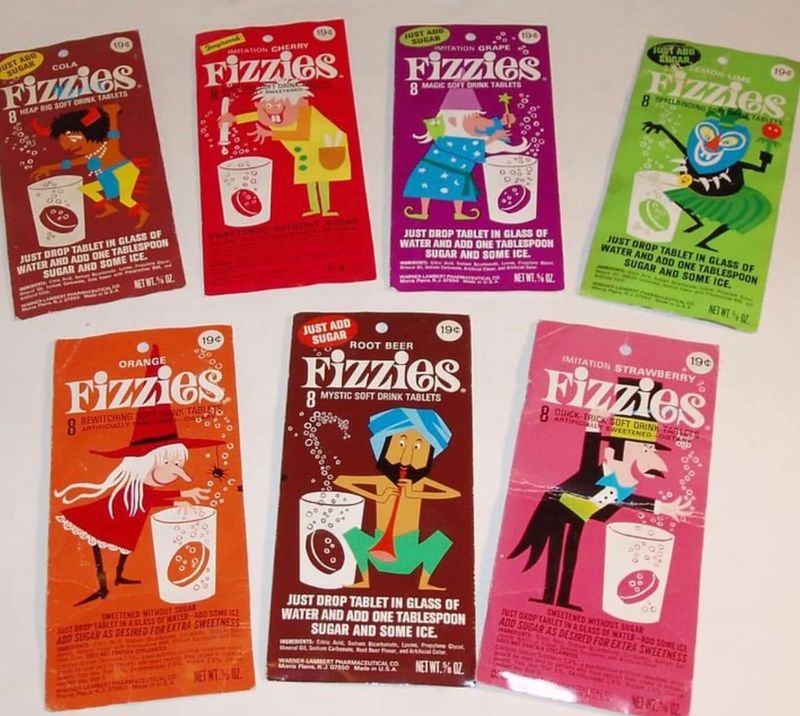
Drop a tablet into plain water, and it turned into bubbly soda. Fizzies worked a lot like an antacid tablet, except the result tasted like grape, orange, or root beer.
Emerson Drug Company launched them in the late 1950s. The small tablets were light and easy to stash in a pocket for later.
Trouble arrived in 1969, when the FDA banned the sweetener cyclamate, which Fizzies had used. Sales never fully bounced back after the recipe change.
Revived versions have appeared since the 1990s, sold mostly online. For a modern recreation, mix seltzer with a splash of fruit syrup.
Sunshine Hydrox Chocolate Sandwich Cookies Came Before the Oreo
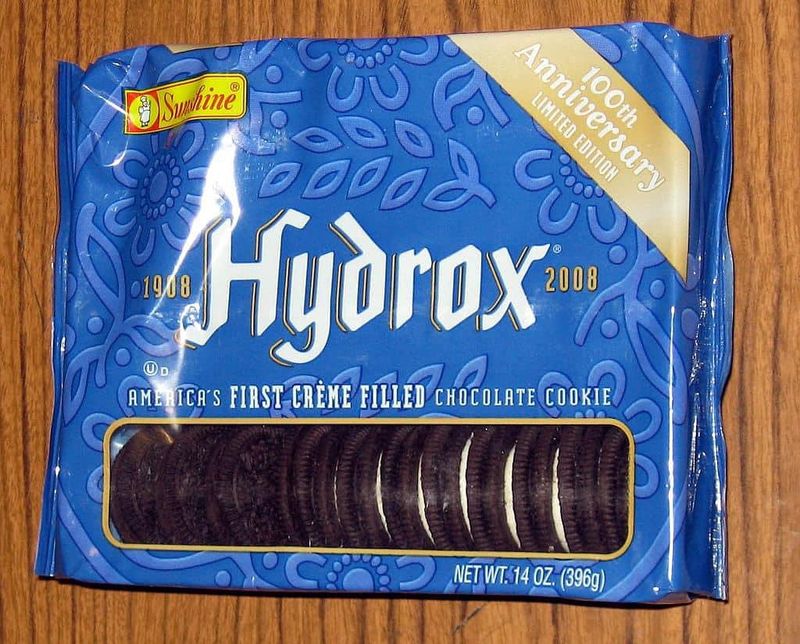
Surprise: Hydrox came first. Sunshine Biscuits introduced the chocolate sandwich cookie in 1908, four years before Oreo arrived.
Many shoppers still assumed Hydrox was the copycat. Its name, a blend of hydrogen and oxygen meant to suggest purity, did not exactly sound delicious.
After Keebler bought Sunshine in the 1990s, the cookie was reworked and renamed Droxies in 1999. The original Hydrox vanished from shelves.
Leaf Brands revived Hydrox in 2015, and you can find it mostly online. That means a side-by-side taste test with Oreo is finally possible again.
Kraft Koogle Flavored Peanut Butter in Chocolate, Banana, and Cinnamon Jars
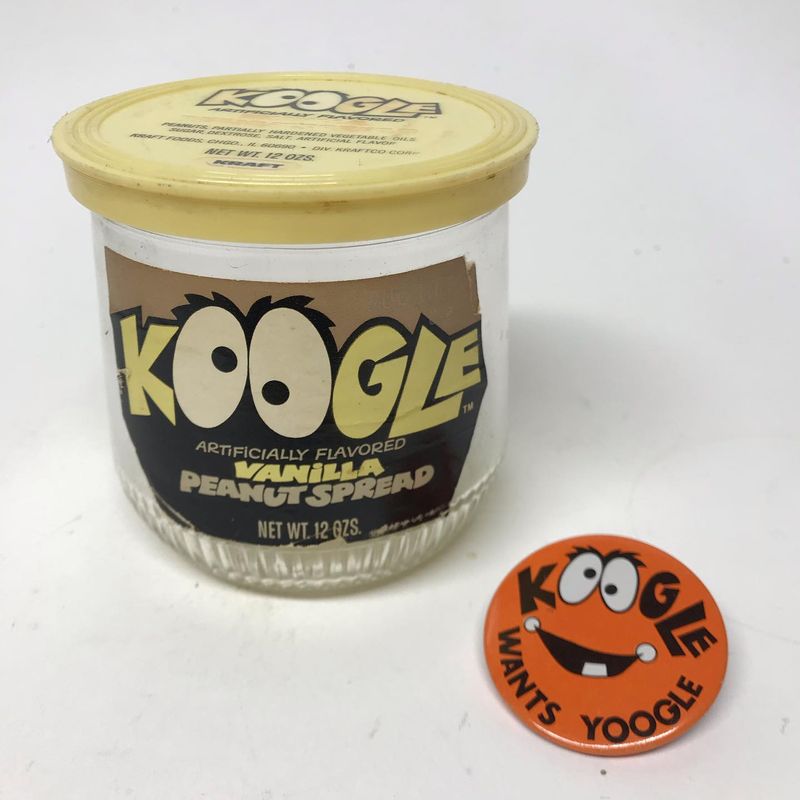
Banana-flavored peanut butter sounds like something a kid would invent. Kraft actually sold it, launching Koogle around 1971 with flavors such as chocolate, banana, cinnamon, and vanilla.
The jars carried a goofy cartoon face with big eyes. Ads pitched it as a spread kids would ask for by name.
Koogle did not last long and vanished during the decade. Kraft never widely explained its exit.
Flavored nut butters are easy to find now, from chocolate to honey. For a homemade take, stir mashed banana and a pinch of cinnamon into plain peanut butter.
Ralston Freakies Cereal Box With BossMoss and the Freakies Gang
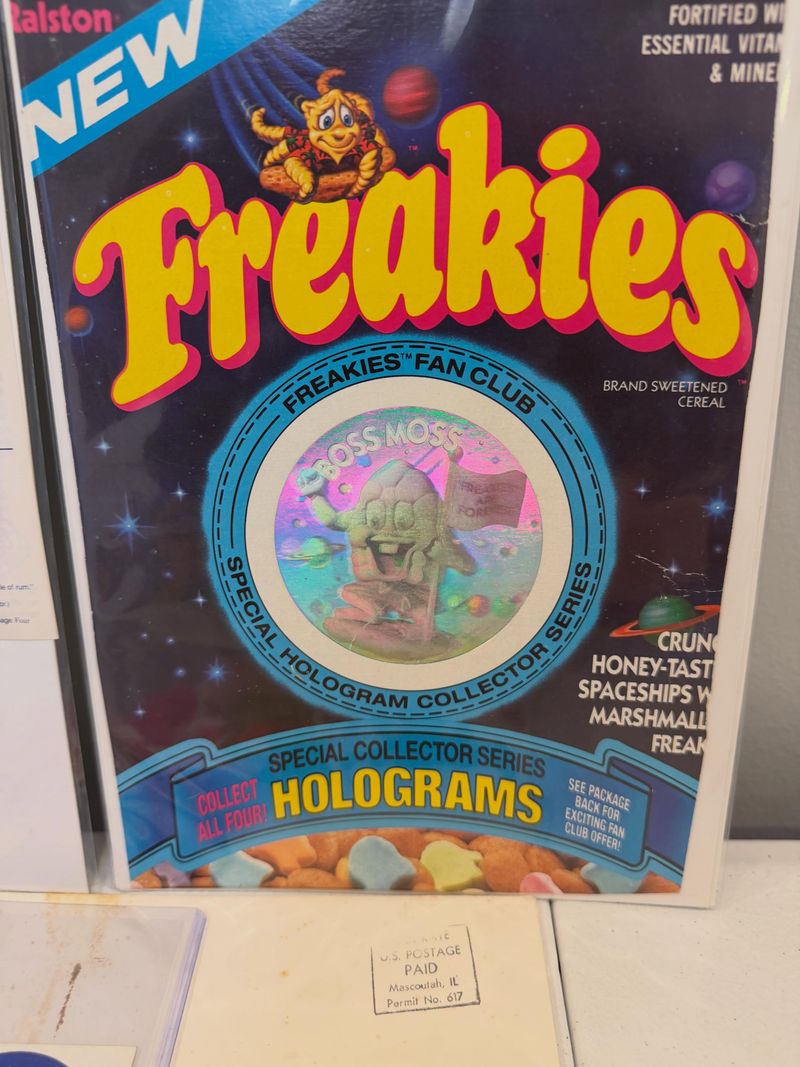
Few cereals have mascots named BossMoss, Cowmumble, and Hamhose. Ralston Purina introduced Freakies in 1972 with a band of seven odd little creatures on the box.
The cereal itself was sweet and crunchy. The real draw was the gang, which starred in TV ads and showed up as plastic toy prizes.
Freakies faded from national shelves within a few years. Those tiny figures are now sought after by toy and cereal collectors.
The brand has popped up in small revival attempts over the years. If you spot an old box online, expect a collector-sized price tag.
Mars Marathon Bar Had Eight Inches of Braided Caramel
Eight inches of braided caramel made this candy bar look like a ruler. Mars launched the Marathon bar in 1973, covering the twisted caramel in milk chocolate.
The wrapper even printed a ruler on the back so you could measure things. Ads played up how long it took to finish one.
Mars ended the Marathon bar in 1981. The company never made a big public announcement about why.
The British Curly Wurly from Cadbury looks very similar. Import shops often carry it if you want a close match.
Pepsi Light Diet Cola Had a Lemon Twist
Pepsi put lemon in a diet cola long before flavor twists were trendy. Pepsi Light launched in 1975 as a lower-calorie cola with a citrus kick.
Ads aimed it at adults watching their weight. It sat beside Diet Pepsi on shelves instead of replacing it.
The lemon version was eventually phased out in the U.S. Overseas, the Pepsi Light name stuck around as a label for diet cola.
To copy the idea, squeeze fresh lemon into any diet cola. It takes about ten seconds and costs almost nothing.
General Mills Pizza Spins Were Pizza-Flavored Snack Wheels
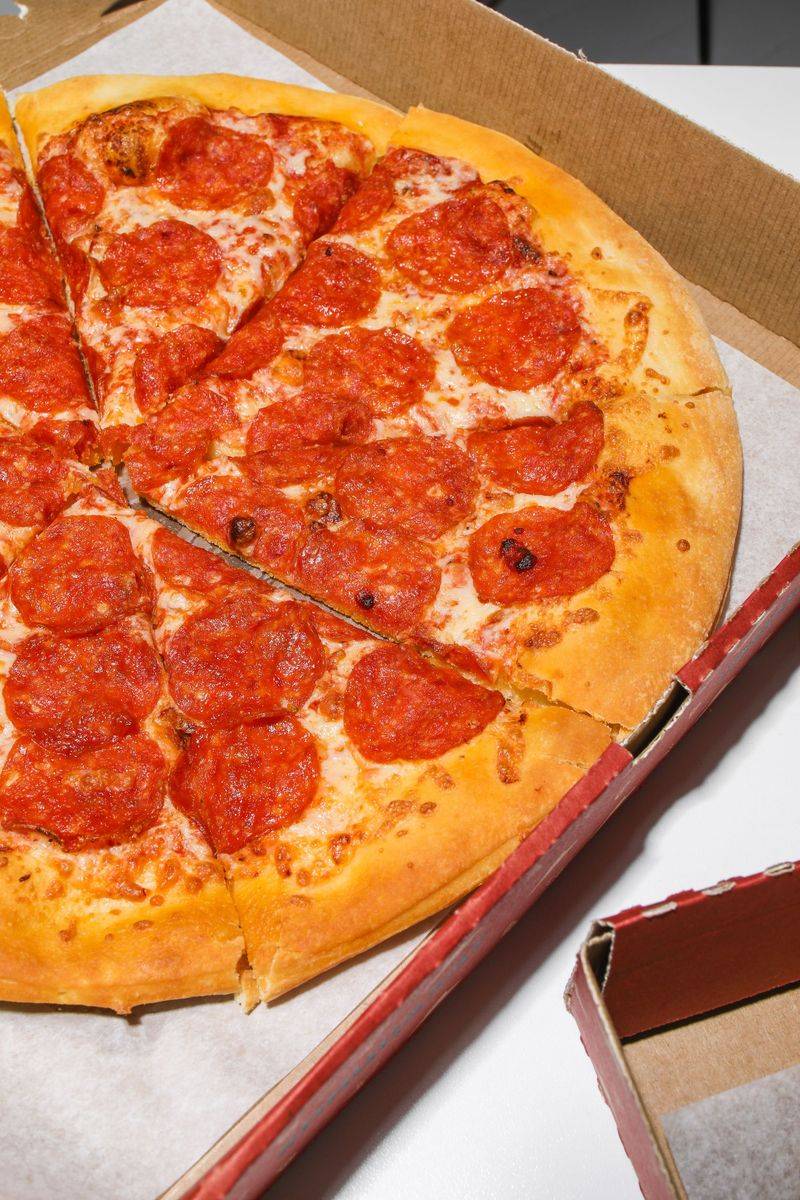
Bugles were not the only odd shape General Mills tried in the snack aisle. Pizza Spins were small, crunchy wheels seasoned to taste like pizza.
They belonged to a wave of shaped snacks the company rolled out starting in the 1960s. The box promised pizza flavor without turning on an oven.
Pizza Spins never had the staying power of Bugles and faded decades ago. General Mills has not brought them back.
Pizza-flavored crackers and chips from other brands are easy to find. Tossing pretzel bites with Italian seasoning and parmesan makes a fun homemade cousin.
Jell-O 1-2-3 Dessert Mix Set Into Three Layers in One Glass
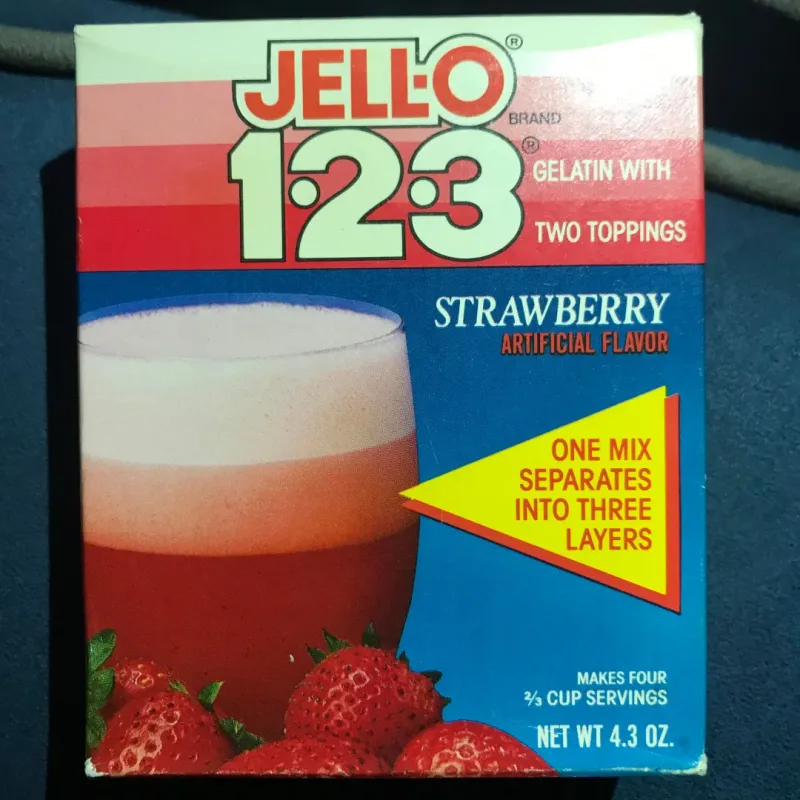
One mix, one bowl, and somehow three layers in the fridge. Jell-O 1-2-3 launched in 1969 and separated into a gelatin bottom, a creamy middle, and a fluffy top.
The trick came from how the ingredients separated as the dessert chilled. Served in a clear glass, it looked like you had worked much harder.
Fruity flavors such as strawberry kept it on shelves through the 1970s and beyond. Kraft discontinued the mix in the 1990s.
Copycat recipes, clearly modern recreations, still circulate online. Most blend regular gelatin with whipped topping, then let it settle in the fridge.
Sir Grapefellow and Baron Von Redberry Cereals Featured Dueling Pilot Mascots
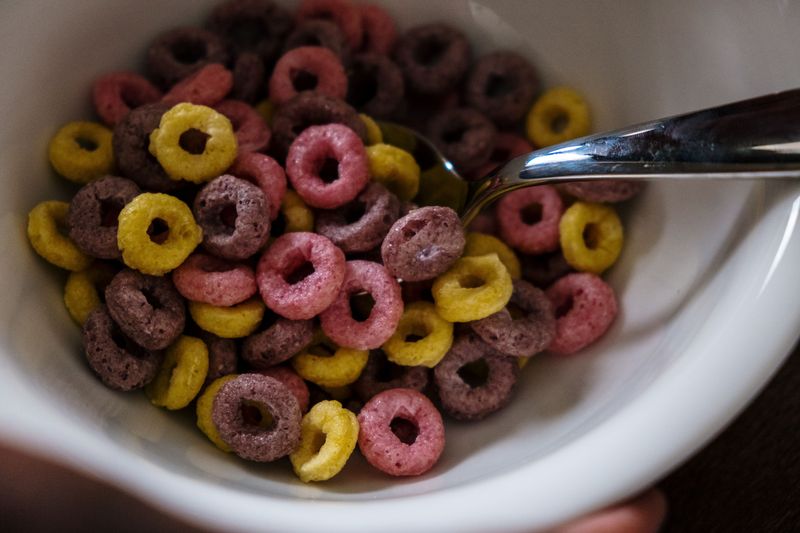
Two cartoon pilots battled over breakfast in 1972. General Mills launched Sir Grapefellow, a grape cereal, and Baron Von Redberry, a berry one, as rivals in the sky.
The mascots looked like World War I flying aces. Each box held sweet oat pieces with marshmallow bits in matching colors.
Neither pilot stayed airborne for long, and both were gone by the mid-1970s. No official revival has followed so far.
Original boxes now sell as pricey collector items. Their short life also makes them a great cereal trivia question.
General Foods Space Dust Was Powdered Popping Candy in Tiny Packets
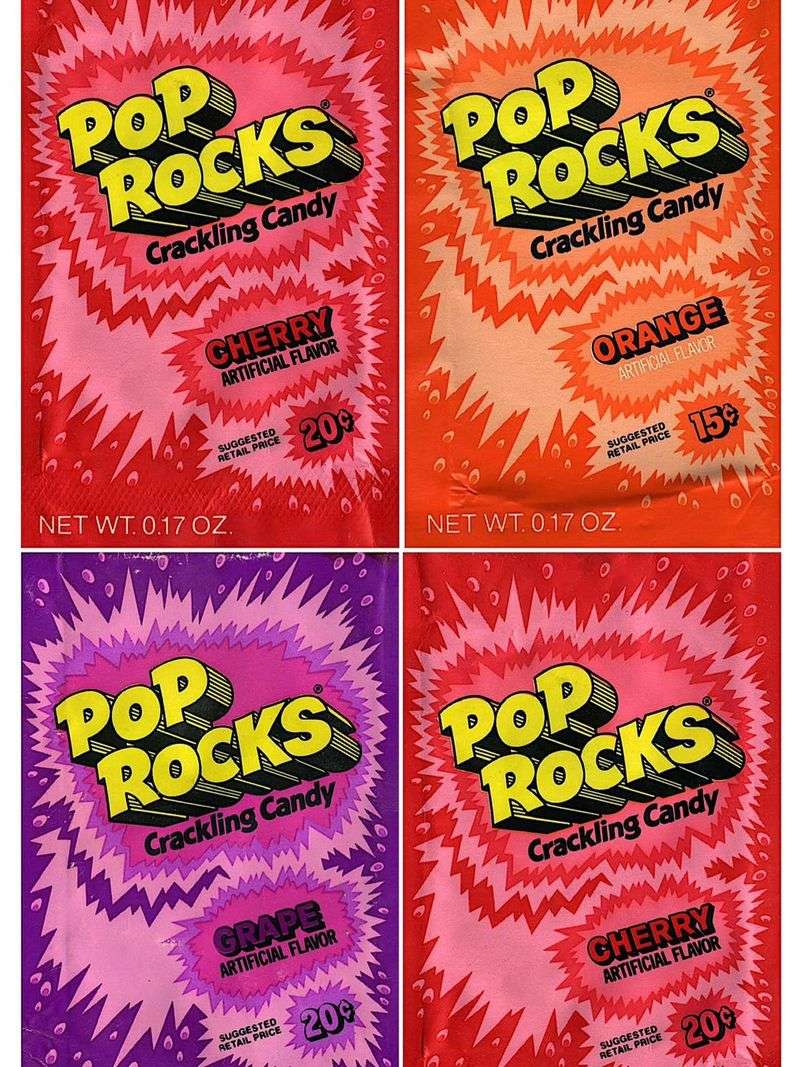
Pop Rocks had a powdery little cousin in the late 1970s. General Foods sold Space Dust, which used the same trapped carbon dioxide trick to crackle on your tongue.
Its fine texture and name raised eyebrows with some parents. The candy also got tangled in the wild playground rumors that followed popping candy.
Those rumors were never backed by evidence. General Foods still pulled Space Dust within a few years.
Popping candy lives on today under the Pop Rocks name. The powdered Space Dust version is long gone from stores.
Nabisco Snack Mate Spray Cheese Came in an Aerosol Can
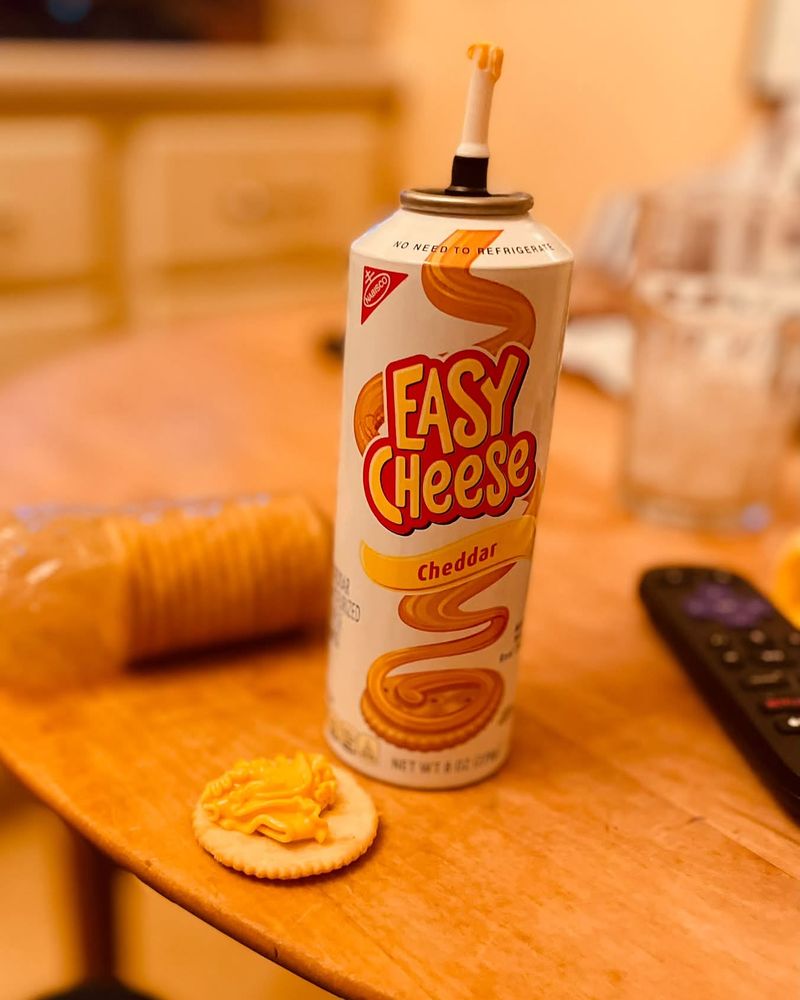
Cheese from a spray can was a real Nabisco product. Snack Mate let you squirt cheese spread straight onto a cracker, no knife needed.
It arrived in the 1960s and fit neatly next to Nabisco's crackers. Party trays in the 1970s were an obvious home for it.
Nabisco later renamed the product Easy Cheese. The Snack Mate name faded away.
Easy Cheese is still sold today in several flavors. Pair it with Ritz crackers for the closest taste of the original idea.
Tab Diet Cola in the Pink Can Outlived the 1970s by Decades
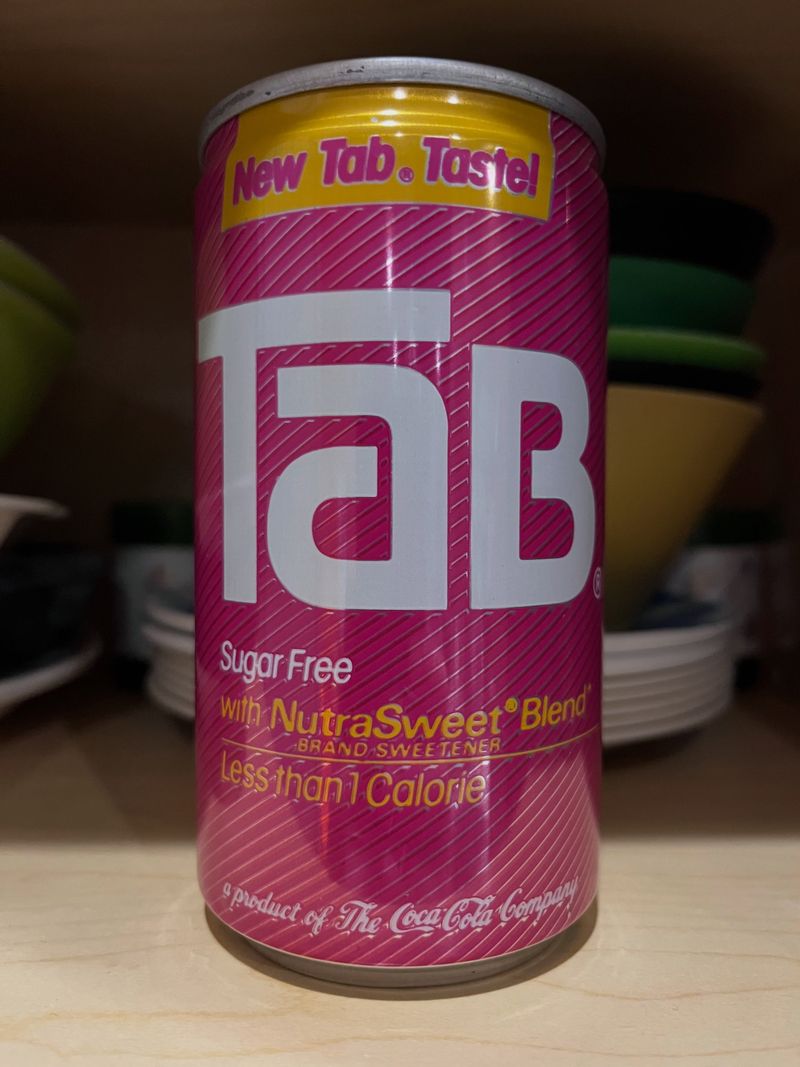
Coca-Cola's first diet soda kept going long after disco ended. Tab launched in 1963 and was one of the major diet colas of the 1970s.
Saccharin sweetened it, and in 1977 a proposed FDA ban put that ingredient in the headlines. Congress stepped in and allowed saccharin to stay, with a warning label.
Diet Coke arrived in 1982 and slowly pulled away Tab drinkers. Coca-Cola finally discontinued Tab in 2020.
The cans still show up in collectibles shops. Loyal fans keep asking for a comeback.
Post Pink Panther Flakes Turned Breakfast Bright Pink
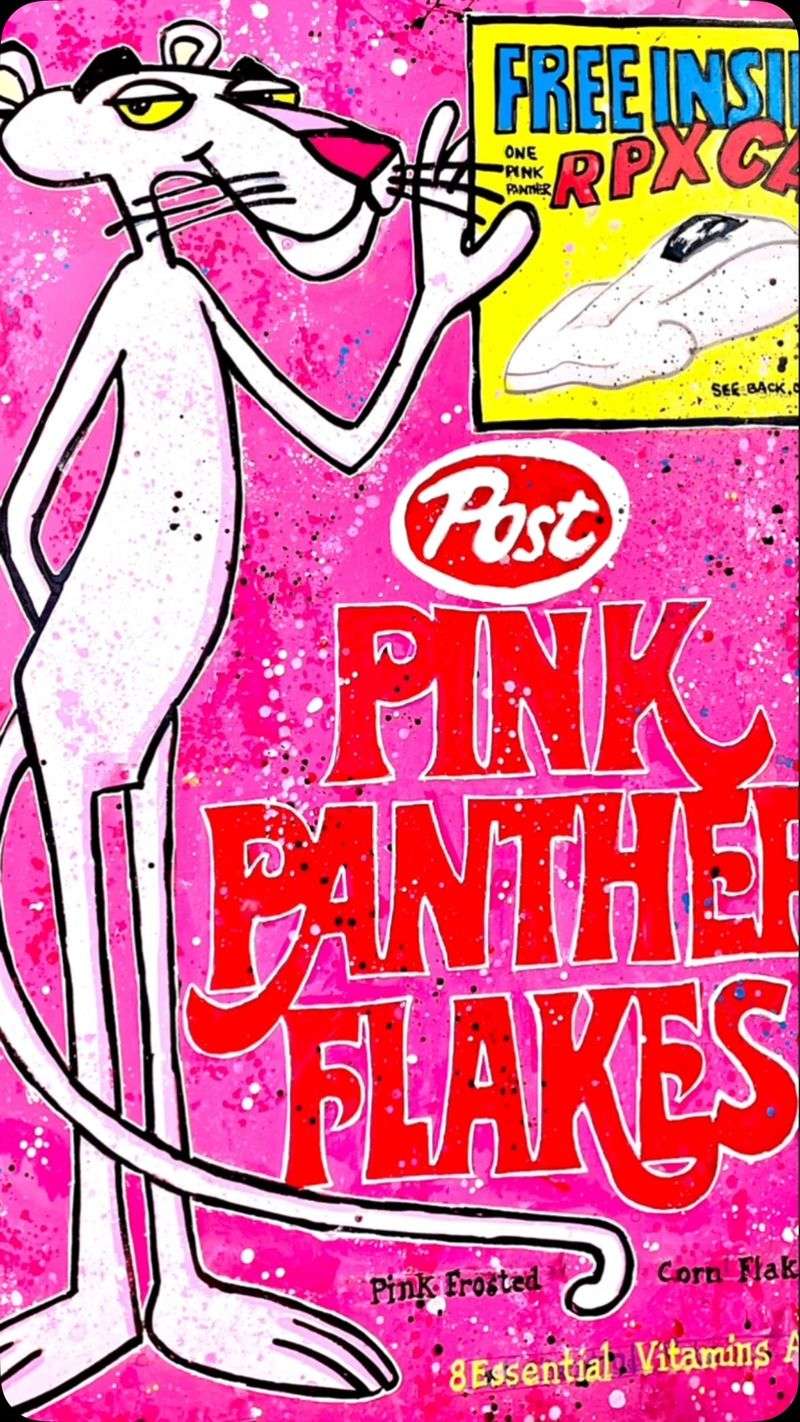
Corn flakes went pink in the early 1970s. Post released Pink Panther Flakes around 1972, with the cartoon cat posing on the box.
The frosted flakes were tinted pink, so your milk turned rosy too. The Pink Panther was a big name on TV and in movies at the time.
The cereal disappeared after a short run. No official revival has arrived since.
Old boxes now show up at collector auctions. A drop of food coloring on frosted flakes is a playful homemade copy.
Wonka Wacky Wafers Fruit Candy Discs Came in Paper Rolls
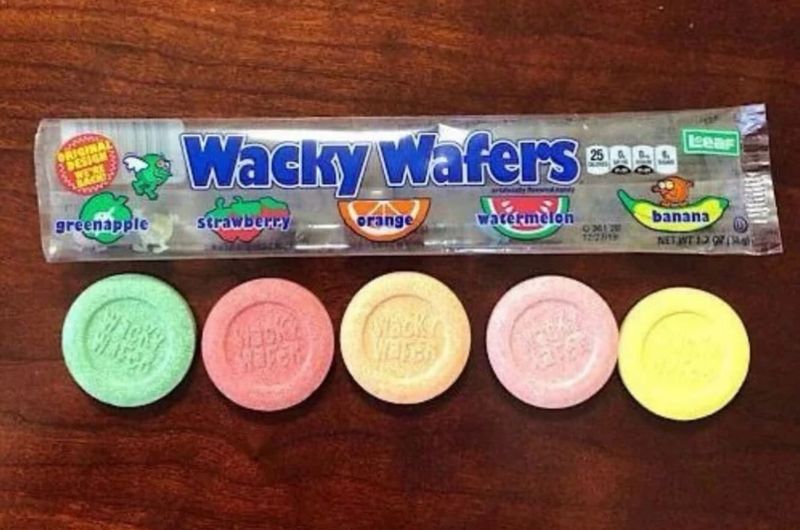
Willy Wonka sold candy in real stores, not just in the 1971 movie. Wacky Wafers were small, tangy fruit discs sold in rolls under the Wonka name.
Each roll mixed several fruity flavors. The silly name matched the playful style of the whole Wonka lineup.
Wacky Wafers were eventually discontinued. The Wonka candy brand changed owners several times, and its lineup kept shifting.
Fans still swap memories of them online. SweeTarts and similar tart candy discs come closest today.
Kellogg's Danish Go-Rounds Were Round Toaster Pastries
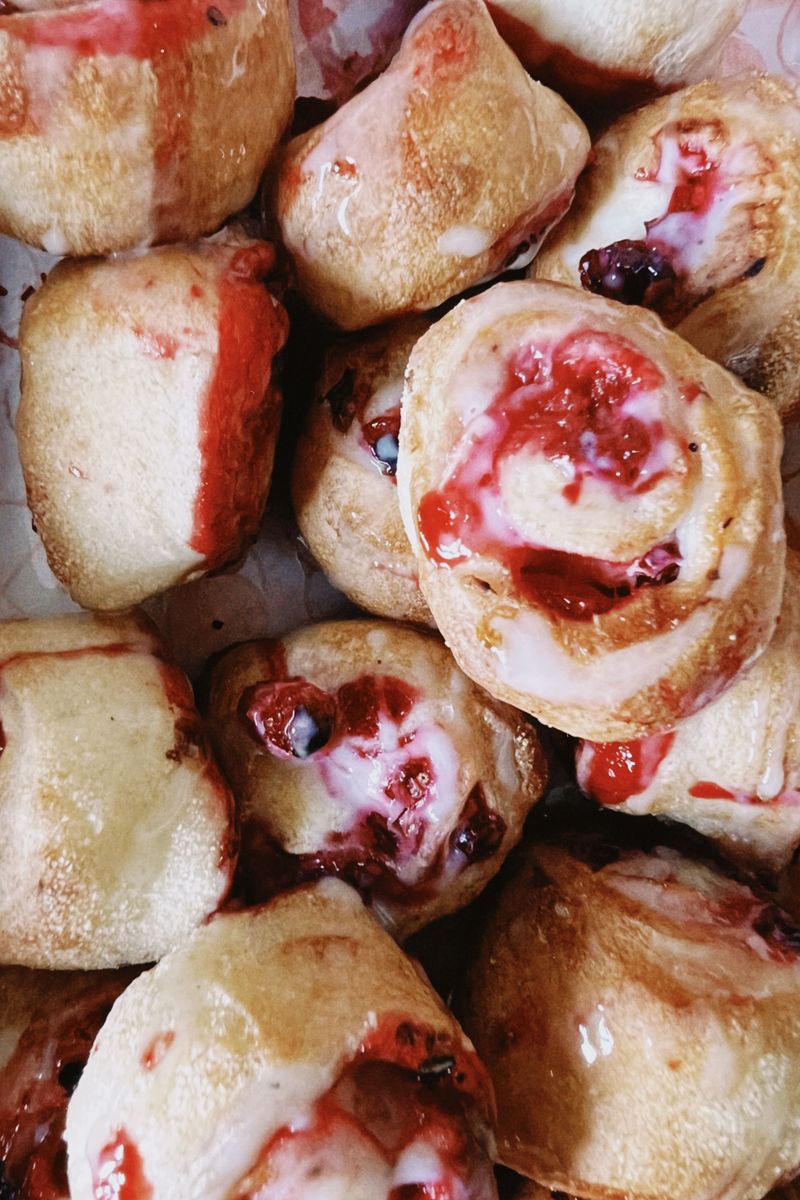
Pop-Tarts had a curvy sibling in the 1970s. Kellogg's Danish Go-Rounds were round toaster pastries made to look like a bakery danish.
You warmed them in the toaster, just like their famous rectangular cousins. The swirled shape made them stand out in the breakfast aisle.
The product faded quietly while Pop-Tarts kept growing. Kellogg's has not revived the round design.
Frozen toaster pastries from other brands fill the gap now. A store-bought danish warmed briefly in the oven works too.
Chiffon Margarine Tubs Starred Mother Nature in TV Ads
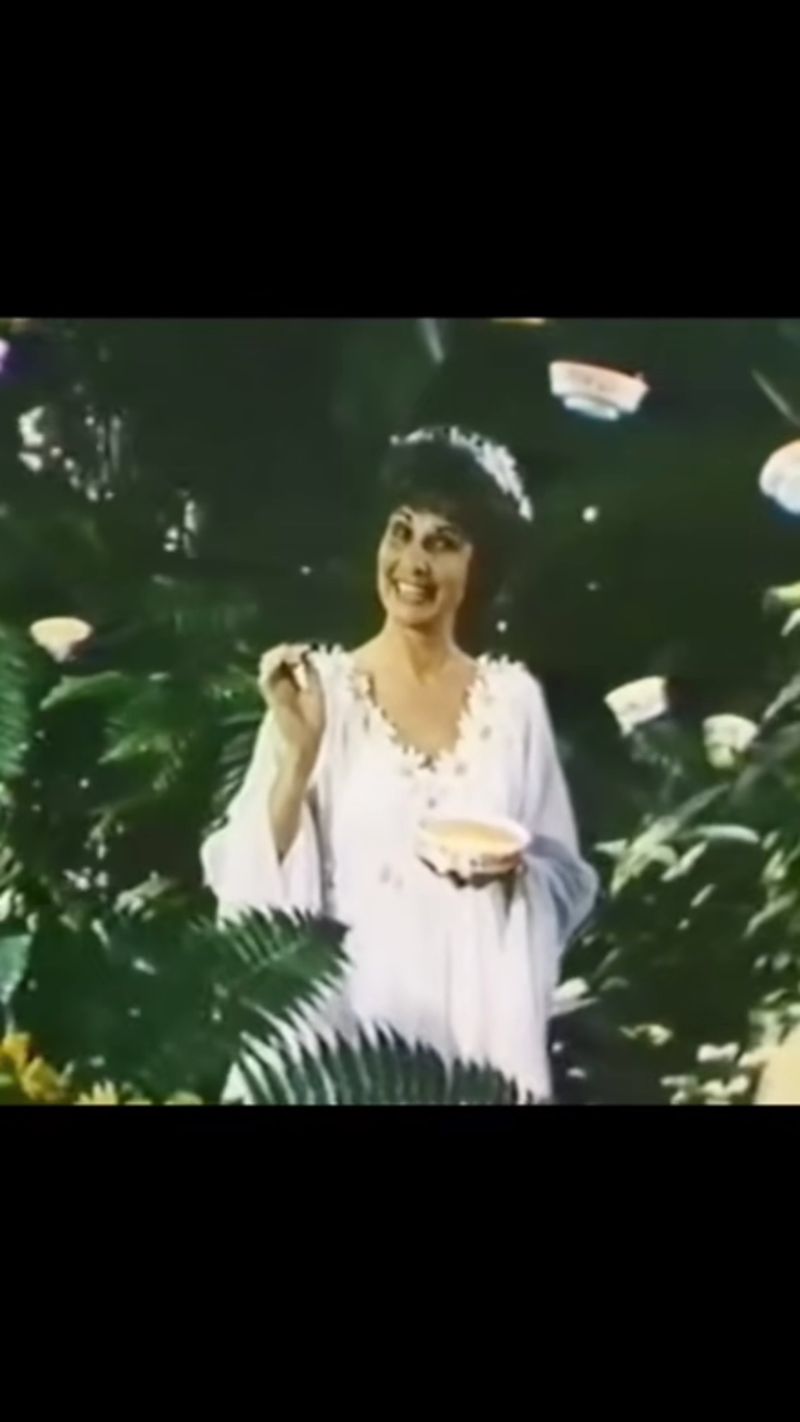
An angry Mother Nature made this margarine famous. In Chiffon's 1970s TV ads, she tasted the spread, mistook it for butter, and then summoned thunder when told the truth.
The ads became one of the decade's best-known commercials. Chiffon itself was sold as soft margarine in tubs.
The brand later faded from most grocery shelves. Its owners changed several times over the years.
Plenty of buttery spreads exist today. That stormy Mother Nature ad lives on in online collections of classic commercials.
Quaker Quake Cereal Box With the Miner Mascot, Rival to Quisp
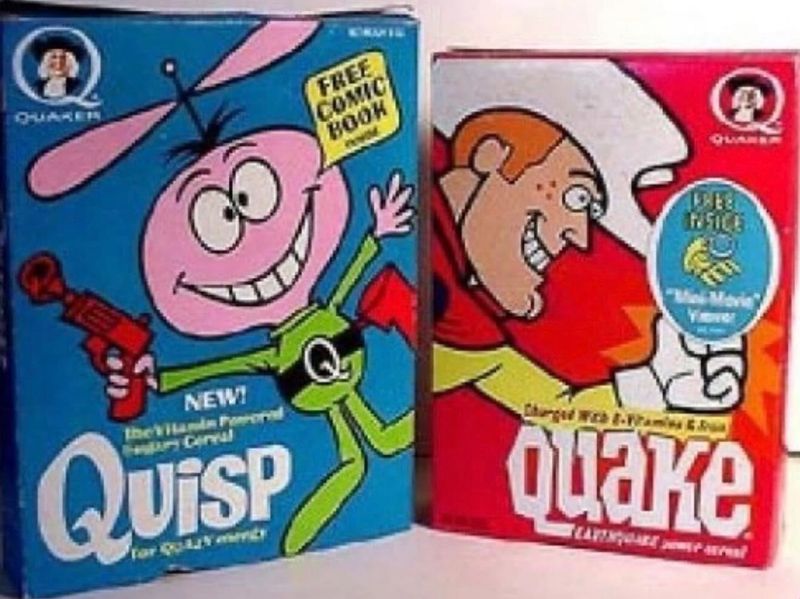
A muscle-bound miner against a tiny alien made one of the odder cereal ad battles. Quaker launched Quake and Quisp together in 1965, with similar sweet corn cereals.
Quake struggled more, so in 1972 Quaker let kids vote between the two mascots. Quisp won the election.
Quake came back as an orange cereal called Quangaroos, which also fizzled. The original Quake disappeared in the 1970s.
Quisp still survives, sold mostly online these days. Its fans can point to that old vote as proof of staying power.
Jell-O Pudding Pops Were Frozen Chocolate Pudding on a Stick
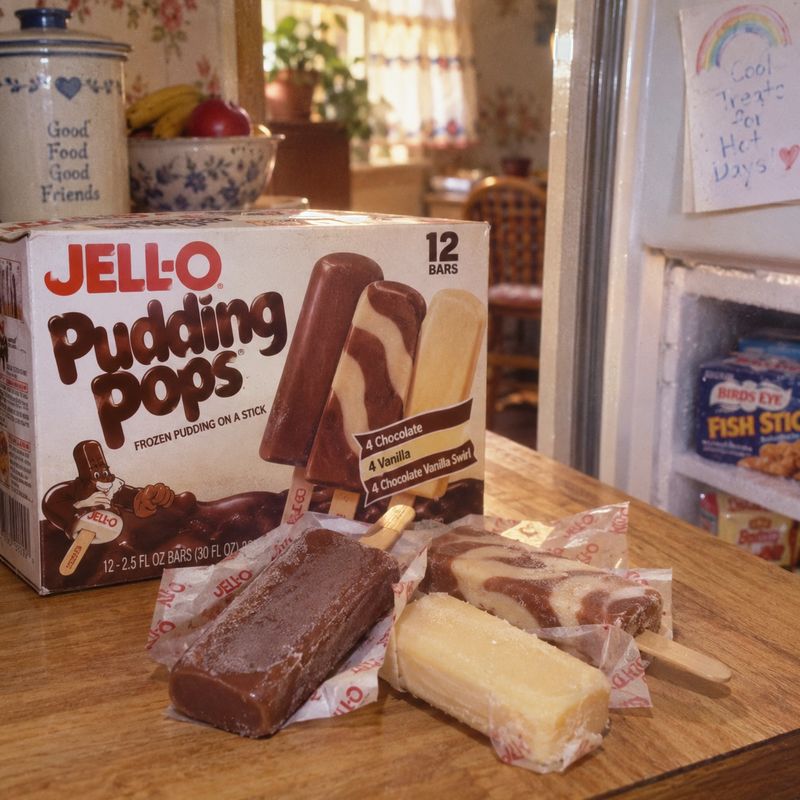
Jell-O Pudding Pops became a familiar frozen treat during the 1980s. Jell-O Pudding Pops were tested in select markets before rolling out nationally.
Chocolate and vanilla led the lineup, with swirled versions added later. The texture was creamier than a typical ice pop.
They sold well in the 1980s, but costs ran high, and the line ended in the 1990s. Popsicle later licensed the name for a version with a different recipe.
At home, freeze prepared pudding in ice pop molds for a simple copy. Chocolate works best, especially with a little extra milk.
Mr. Pibb Soda Cans From Coca-Cola, Before Pibb Xtra
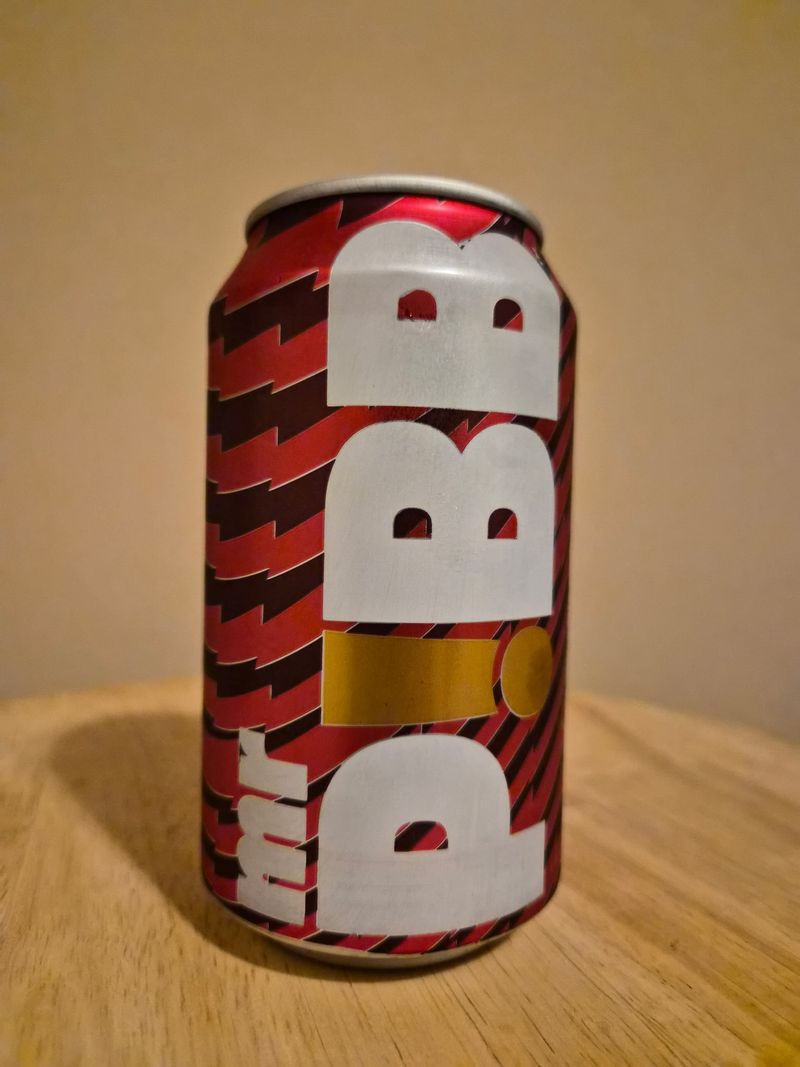
Coca-Cola launched Mr. Pibb in 1972 to take on Dr Pepper. The spicy, fruity taste was close enough that people compared the two constantly.
It sold better in some regions than others. You were more likely to find it in certain states and fountain machines.
In 2001, Coca-Cola reformulated it as Pibb Xtra, with more cinnamon in the mix. The old Mr. Pibb name mostly vanished after that.
Pibb Xtra is still sold in some areas. If you spot an original Mr. Pibb can, you have found a collector piece.
Post Crispy Critters Animal-Shaped Cereal With Linus the Lionhearted
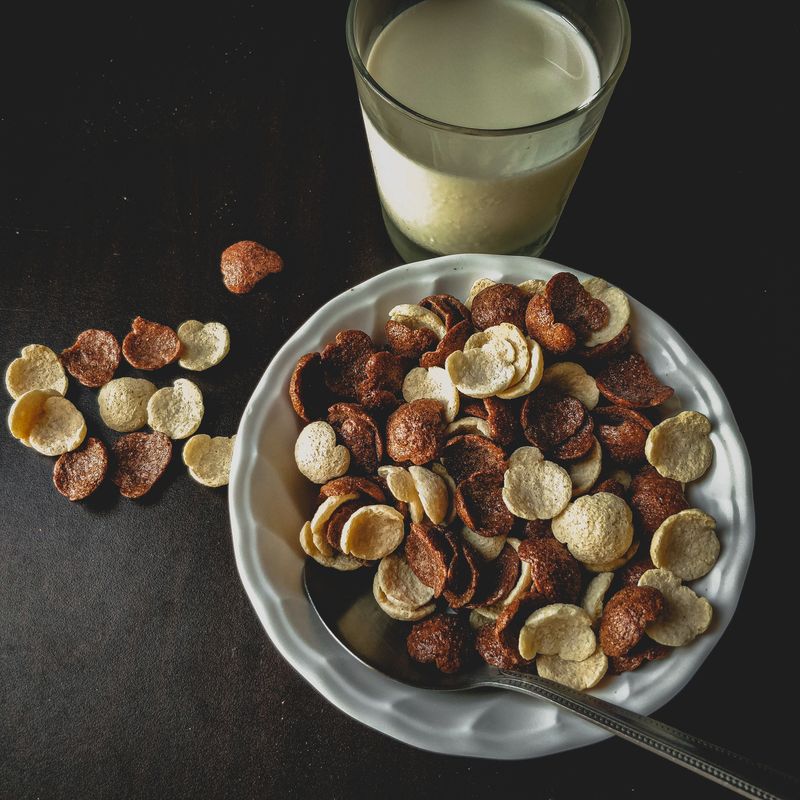
A cartoon lion once had his own TV show to help sell cereal. Linus the Lionhearted fronted Post's Crispy Critters, launched in the early 1960s with oat pieces shaped like animals.
His show ran in the mid-1960s, and he stayed on boxes for years. Kids could hunt for camels, elephants, and other critters in the bowl.
The cereal faded from shelves during the 1970s. Post revived it in 1987 with a new look, but it disappeared again.
Animal crackers are easy to find today. Cereal shaped like a whole zoo is much rarer.
Nestlé Choco'Lite Bar Had a Light, Bubbly Chocolate Crunch
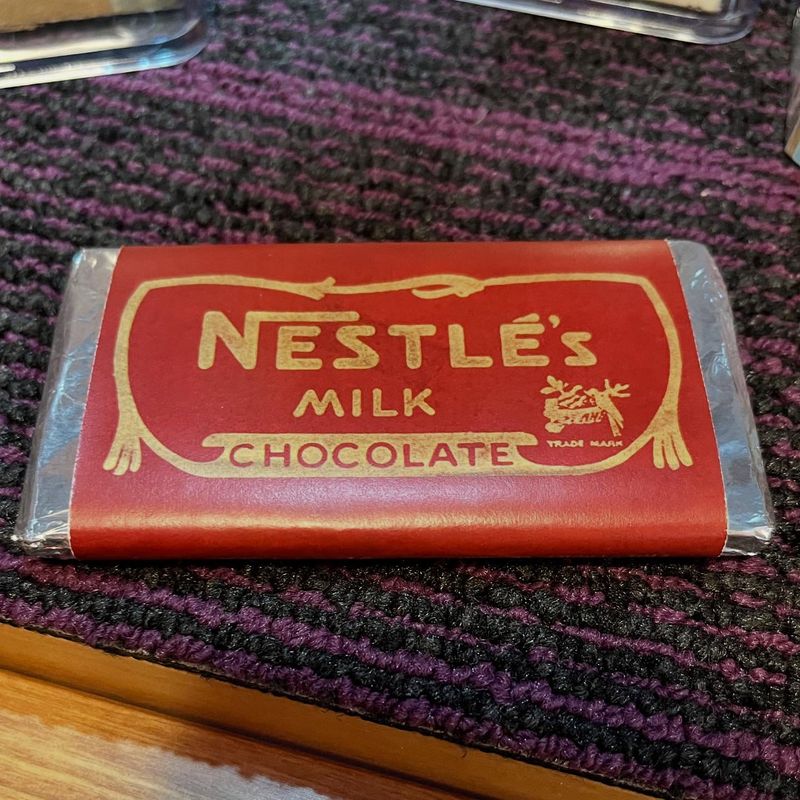
Some candy bars bragged about being lighter, and Nestlé made it the whole pitch. Choco'Lite was a milk chocolate bar with an airy, crunchy, bubbly texture.
It sat on candy racks in the 1970s. The name told shoppers exactly what kind of bite to expect.
Nestlé eventually stopped making it in the U.S. Its American candy lineup has been shuffled many times since then.
Aerated chocolate bars still exist, especially in imported candy aisles. Look for bubbly bars from British or Canadian brands.
Pillsbury Funny Face Drink Mix Packets With Goofy Grape and Freckle Face Strawberry
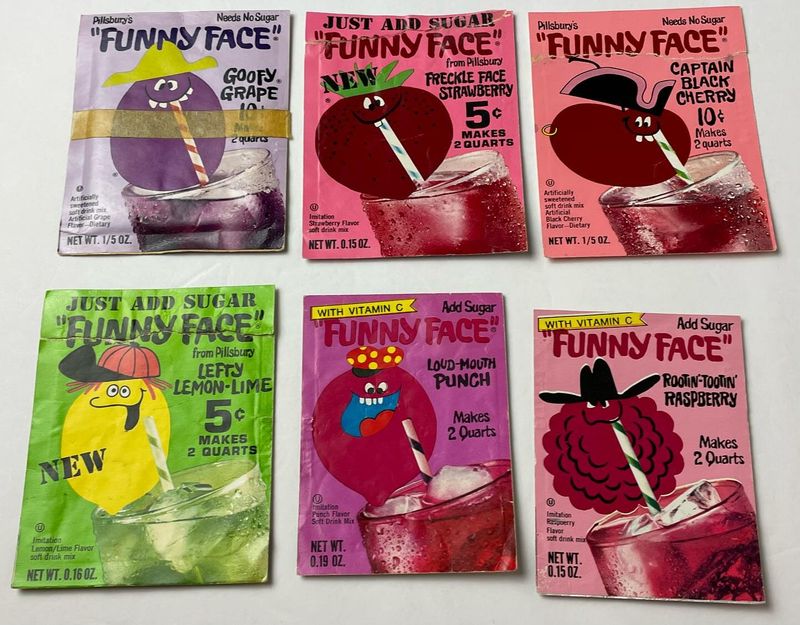
Kool-Aid got serious competition when Pillsbury launched Funny Face in 1964. Every packet featured a cartoon face, like Goofy Grape or Freckle Face Strawberry.
A few early character names drew complaints and were changed in the 1960s. By the 1970s, the cheerful lineup was a regular in TV ads.
Pillsbury sold the brand in 1980, and it gradually faded from stores. The fruity faces now live mostly on collectible packets and mugs.
Want the taste today? Any powdered drink mix comes close, though none has a grinning grape on the front.
General Mills Mr. Wonderfull's Surprise Cereal Had Creamy Filling Inside
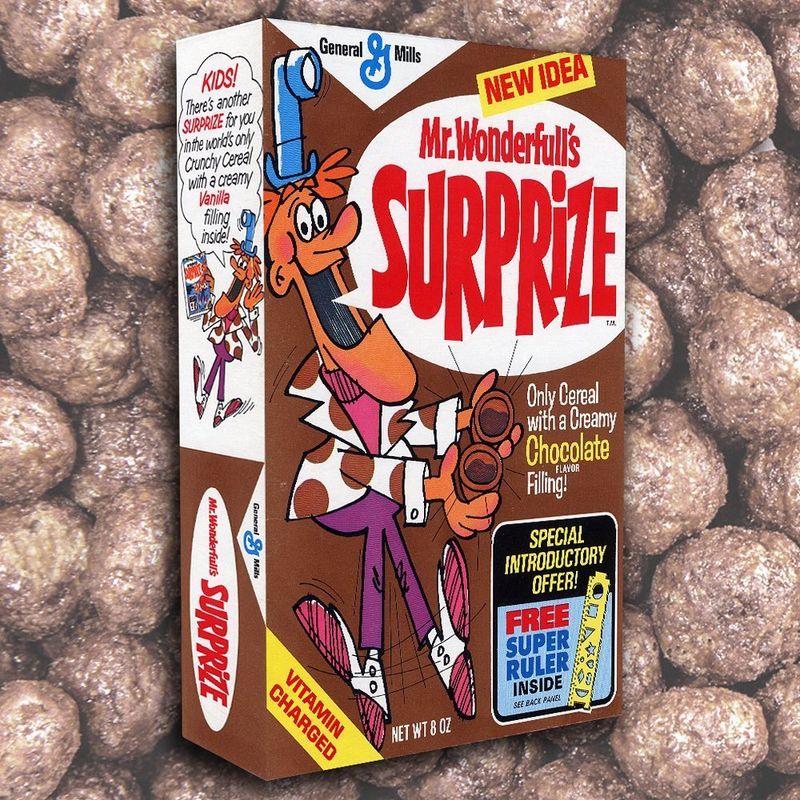
Long before filled cereal pillows became common, General Mills introduced cereal pieces with sweet, creamy fillings. Mr. Wonderfull's Surprise arrived in the 1970s with chocolate or vanilla filling inside crunchy shells.
The concept was bold for a breakfast bowl. The cereal had a relatively short run, although the reasons for its disappearance are unclear.
Whatever the reason, it lasted only a short time. General Mills never brought it back.
Filled cereals from other brands carry the idea forward. Kellogg's Krave is one example you can still buy.
Screaming Yellow Zonkers Glazed Popcorn Came in a Black Joke-Filled Box
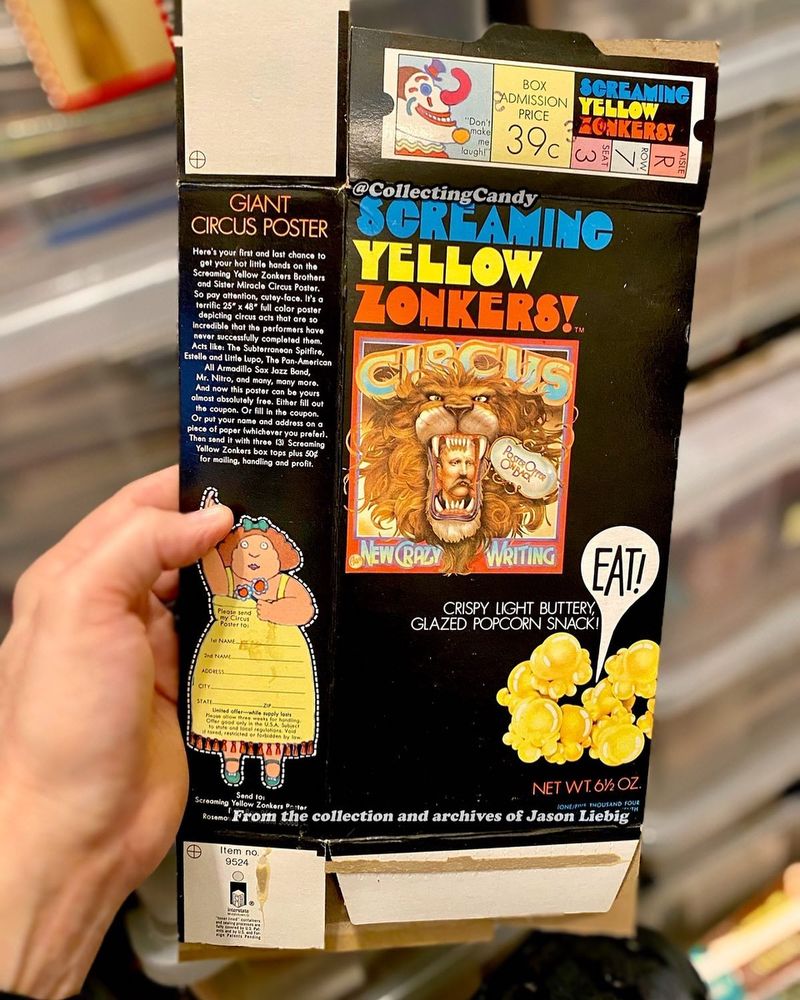
Most snack boxes of the era were bright and cheerful. Screaming Yellow Zonkers showed up in a black box covered in silly jokes.
Inside was popcorn coated in a sweet, buttery glaze. Reading the goofy package copy was half the fun.
The snack stayed around through the 1970s and changed owners over the years. It was eventually discontinued.
If you miss the glazed crunch, try Fiddle Faddle or Poppycock. The joke-filled black box, sadly, has no stand-in.
Reggie! Bar Chocolate Peanut Candy Rained Onto Yankee Stadium
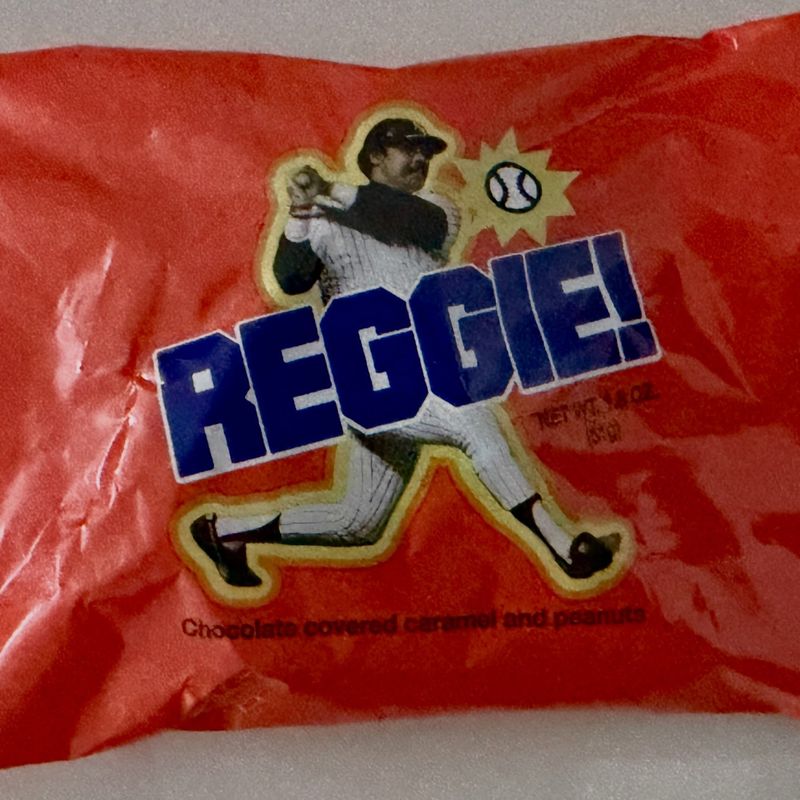
Baseball fans once threw candy bars onto a major league field. At the Yankees' 1978 home opener, free Reggie! bars were handed out, and Reggie Jackson hit a home run.
Celebrating fans tossed the bars onto the field, briefly halting play. Standard Brands made the round candy with peanuts and caramel covered in chocolate.
It sold through the late 1970s before fading out around 1980. A short-lived revival followed in 1993.
Few candy bars can claim a game delay in their history. For a similar bite today, a Baby Ruth is a close match.


Leave a Reply